Push to embed indigenous knowledge in schools
Ministry says reforms will strengthen identity, language and cultural learning in schools
Wednesday 22 April 2026 | 14:30

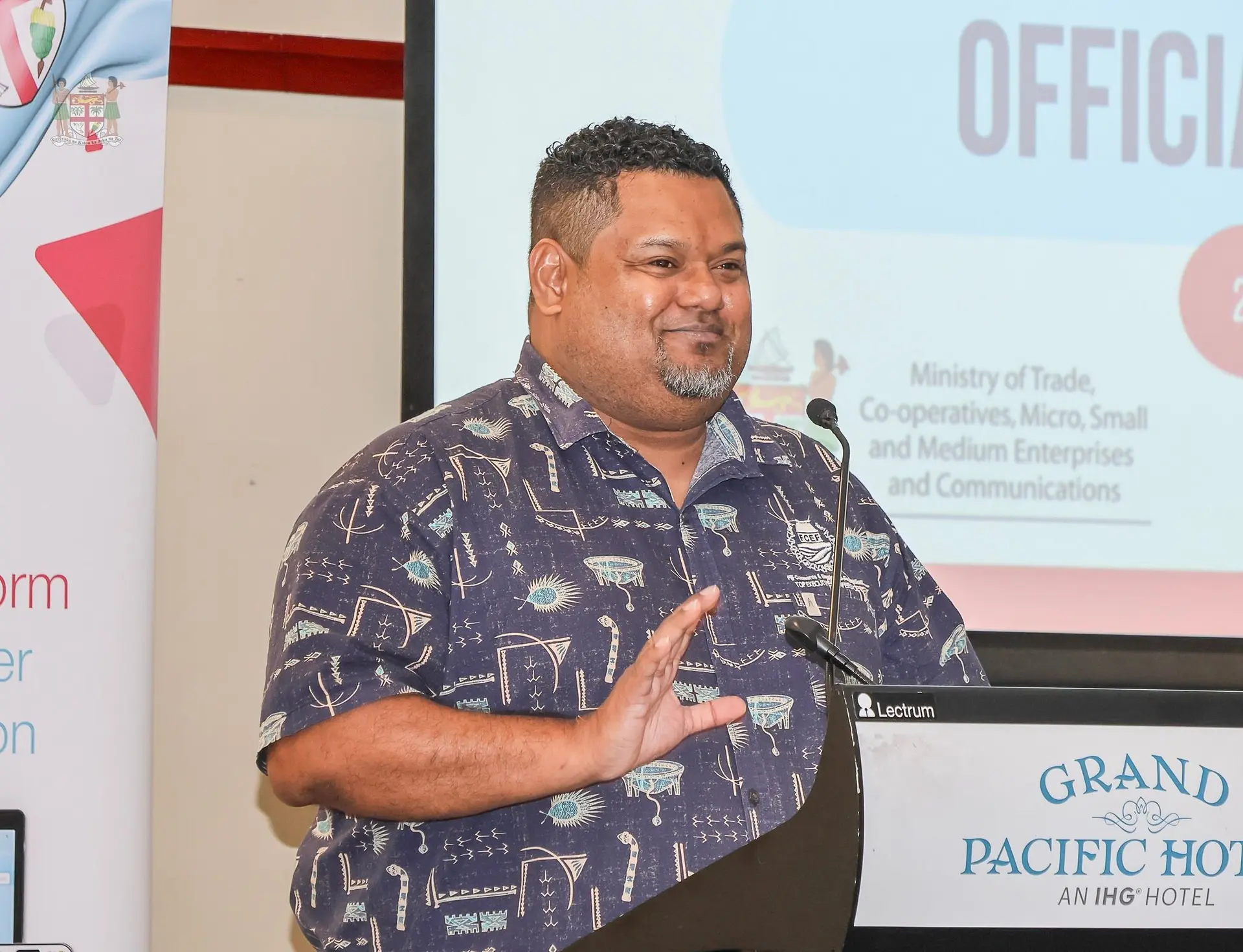
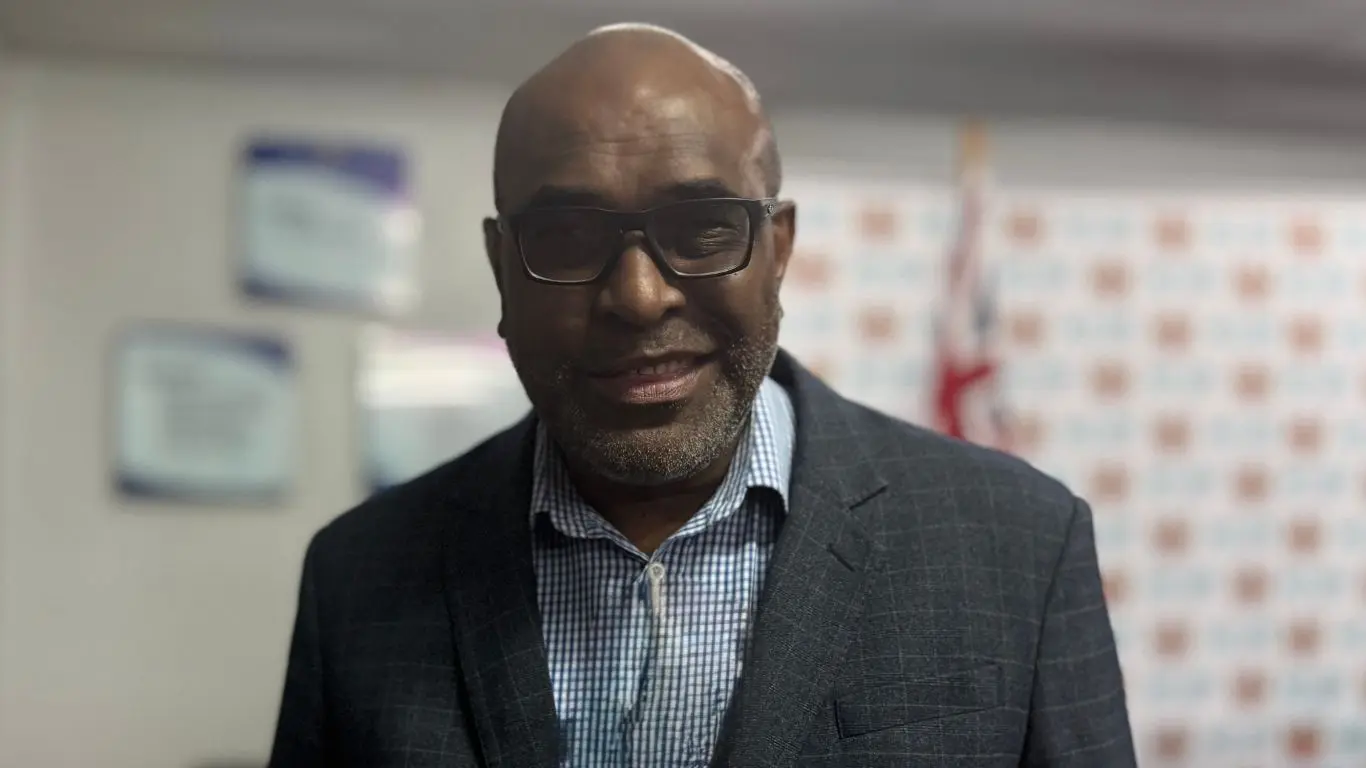
Ministry of Multi-Ethnic Affairs, Culture Heritage, Arts and Public Enterprises permanent secretary Vinesh Kumar.
Photo: Supplied
The Government is intensifying efforts to integrate indigenous knowledge systems, language, and cultural practices into the national curriculum, in what officials describe as a critical step toward reshaping education and strengthening national identity.
Ministry of Multi-Ethnic Affairs, Culture Heritage, Arts and Public Enterprises permanent secretary Vinesh Kumar said the reform agenda places strong emphasis on revitalising traditional knowledge, including oral histories, navigation practices, ecological understanding, and customary governance systems.
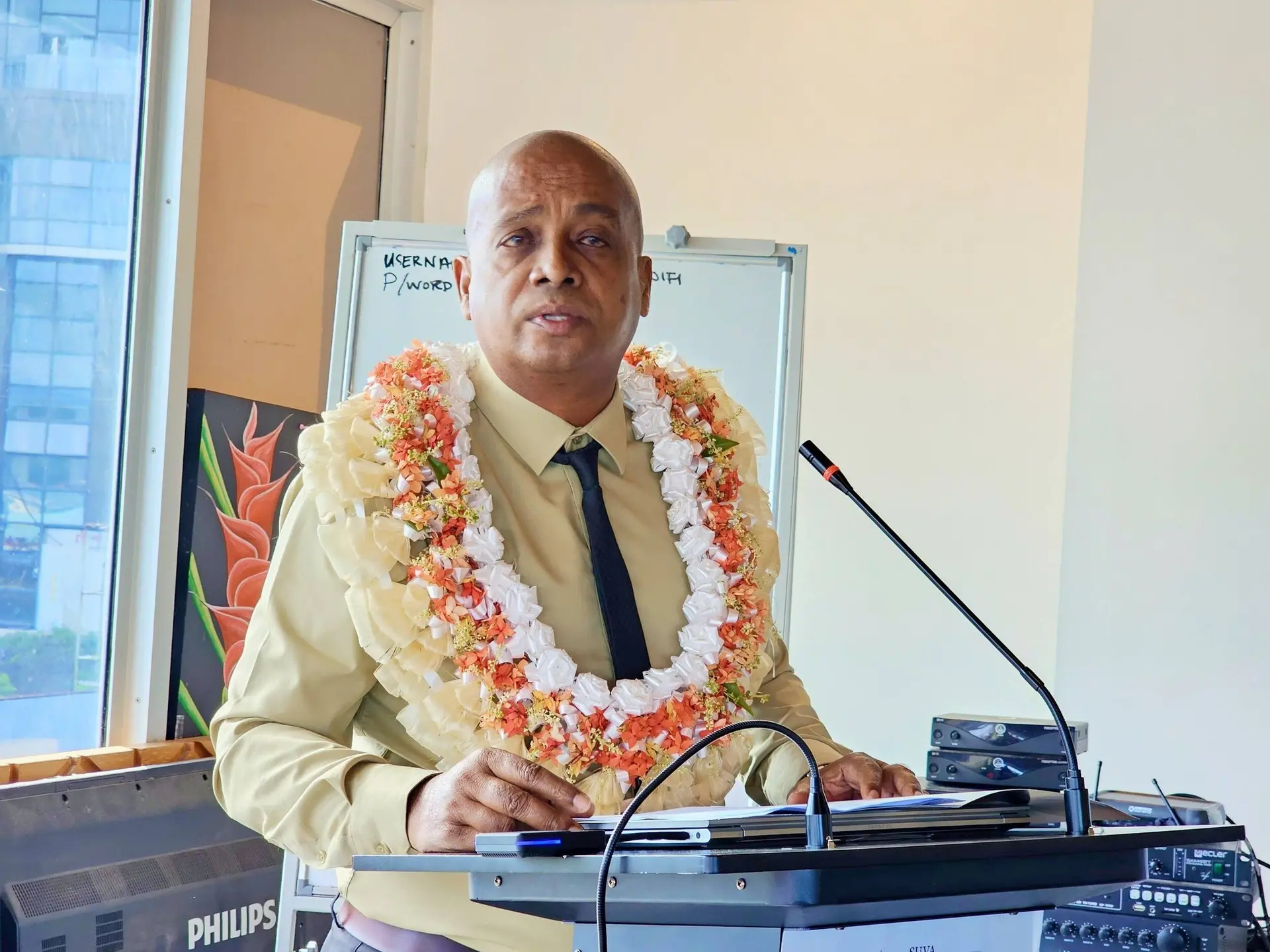
Speaking during the consultation workshop in Peninsula Hotel in Suva today, Mr Kumar said that education must reflect local realities and empower students to see themselves as central figures in their own narratives, rather than “footnotes” in externally driven knowledge systems.
“This is not about rejecting global knowledge, but restoring balance and placing our own knowledge systems on equal footing,” he said.
He also said that the critical role of language in education, noting that expanding mother-tongue bilingual education, can significantly improve both learning outcomes and cultural identity.
“When children learn in their own language, they connect, they belong, and they thrive,” Mr Kumar said.
Mr Kumar further emphasised the need to strengthen the teaching workforce by equipping educators with culturally responsive tools and training, enabling them to effectively deliver indigenous knowledge in classrooms.
He pointed out that education extends beyond schools, calling for greater involvement of communities, elders, and cultural practitioners in curriculum delivery to ensure knowledge is preserved and passed down.
“There is a wealth of wisdom within our communities, but if it is not documented and integrated into education, it risks being lost for future generations,” he said.
The ongoing curriculum review, supported by the establishment of an Education Commission to reassess the 2013 national curriculum, presents a key opportunity to embed these changes into Fiji’s education system.
He said that education reform is not only about academic improvement but about shaping values, behaviours, and national identity.
“Through education, we are strengthening identity, restoring dignity, and empowering our people for generations to come,” he said.