Shameem: Ratification Will Hinder Workplace Bullying
Professor Shameem said it appeared that protection against sexual violence and harassment at work was merely confined to sexual harassment and violence.
Tuesday 10 March 2020 | 09:13


Workplace bullying is not specifically protected under Fiji’s laws. However, if Fiji ratifies the Violence and Harassment Convention of 2019 it will prohibit other objectionable practices.
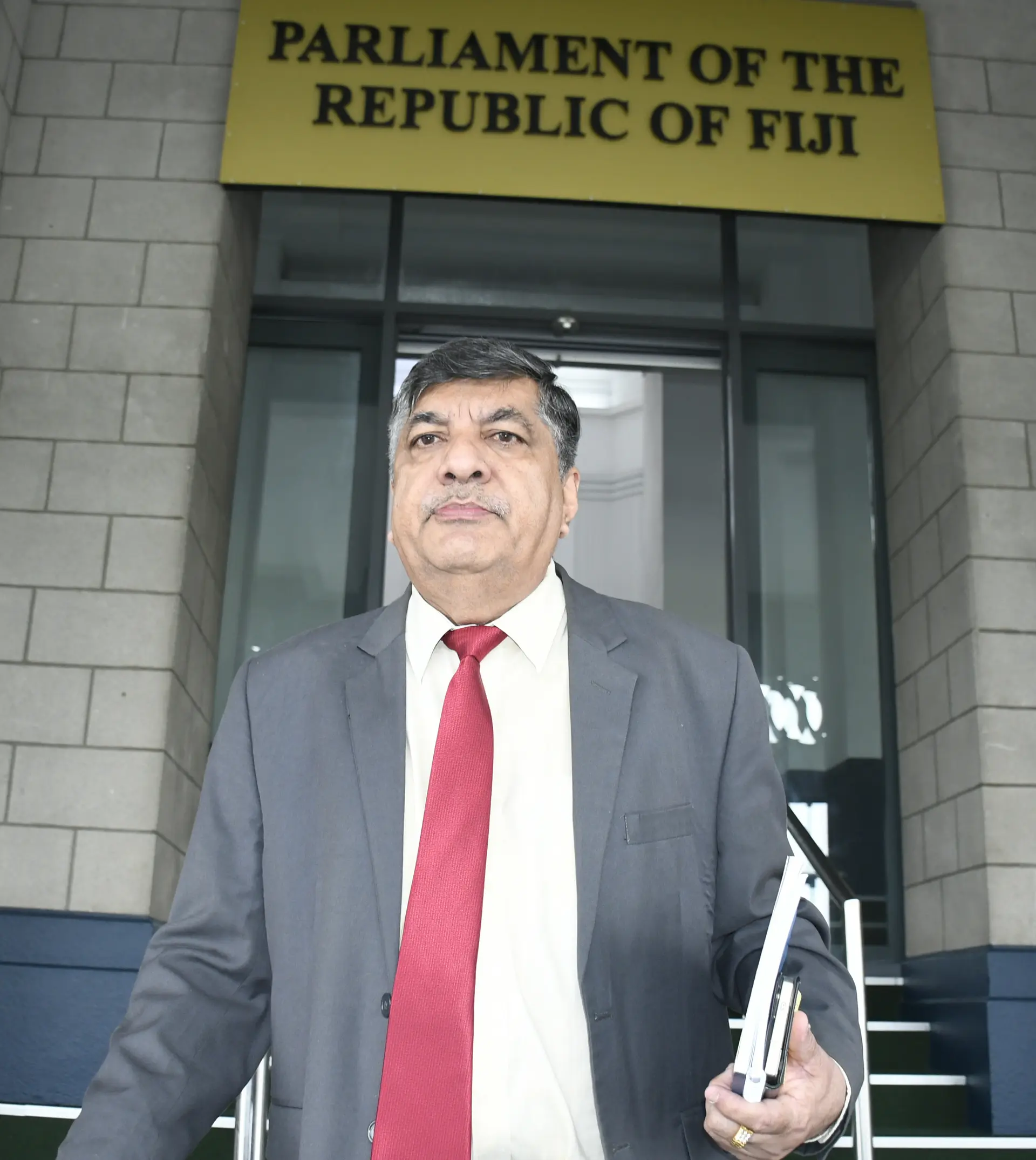
These were the sentiments of Professor Shaista Shameem while presenting to the Parliamentary Standing Committee on Foreign Affairs and Defence yesterday.
Professor Shameem said it appeared that protection against sexual violence and harassment at work was merely confined to sexual harassment and violence.
Related stories
She said it not unrelated to that of a sexual nature or to the discrimination provisions expressed in the Constitution and the Human Rights Commission Act.
Experience
Professor Shameem said “I strongly support this Convention and urge Parliament to ratify it because over the past over years in Fiji, as an employment lawyer, representing individuals as well as a union in the higher education sector, I have witnessed workplace bullying being inflicted on Fijian citizens by expatriate supervisors.
“I have noted collegial bullying as well of Fijian citizens. This has included not just verbal bullying, but also other types of serious harassment such as interference with employment contracts, demotion without cause, defamation and harm caused to reputations, again without cause, and breach of Fijian labour laws.”
Professor Shameem shared her experience in one instance where she represented workers where a pattern was established over a series of expatriate appointments that created a culture of workplace harassment of Fijian citizens.
Govt favour of localisation
She said she supports Government’s favour of localisation in the executive job market adding that she also supports it not only for higher education but also for statutory bodies that monitor higher education in Fiji.
“I cannot be more explicit due to the fact that several of these cases of workplace harassment inflicted on Fijian citizens are before the judicial mechanisms of dispute resolution currently,” she said.
“However, it is an issue that requires government attention immediately, as workplace harassment of the broader variety than sexual or gender-based harassment is a hidden problem that ratification of the convention will help to alleviate.”
She stated that ratification will only be effective as long as it is accompanied by other policies and statutory changes on a national level.
“Specifically, we need a broad critique and investigation of the kind of employment pool from which our top managers and executives are being recruited. In education this is particularly critical at this juncture of our development as a nation.”
Professor Shameem also supported the ratification of the Treaty on the Prohibition of Nuclear Weapons and the Protocol of 2002 to the Occupational Safety and Health Convention of 1981.
Edited by Ranoba Baoa
Feedback: fonua.talei@fijisun.com.fj