Stay Alert; Monkeypox Outbreak Now a Public Health Emergency, What Does It Mean to Fiji?
Surveillance and testing for the monkeypox virus in Fiji have been ramped up after World Health Organisation (WHO) declared the outbreak of the disease as a public health emergency of international concern.
Monday 25 July 2022 | 16:15
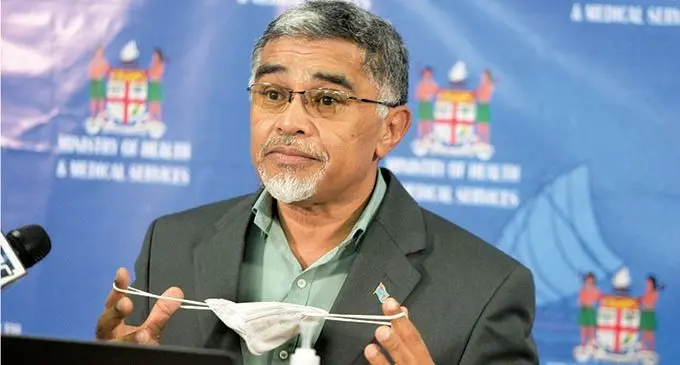
Surveillance and testing for the monkeypox virus in Fiji have been ratcheted up.
This was after the World Health Organisation (WHO) declared the outbreak of the disease as a public health emergency of international concern on Saturday night.
Following this declaration, the Ministry’s Permanent Secretary Dr James Fong made it clear Fiji was prepared for the disease.
Related stories
He said the ministry was in full gear to contain the spread of the monkey pox disease in the country should there be one, especially when it is an outbreak overseas.
Dr Fong earlier imposed border measures and community safety to help counter the spread of the disease if there is one.
He added that there had been a great number of suspected cases of the virus detected here; however all test results had returned negative till date.
“We already pre-empted this,” he said.
“All we have to do is to pick it up early. It’s not as contagious, but it will come around. It’s just a matter of containing it every time it comes around."
“The health ministry has released guidelines to all clinicians in the public and private sectors in order to facilitate early case identification and reporting.”
Dr Fong said a person would be tested if found with any symptoms of the disease.
“None positive so far. We note that we are in the middle of our chickenpox season, we have noted cases positive for measles and we have recorded cases of hand, foot and mouth disease,” he said.
World Health Organisation
WHO director-general, Tedros Ghebreyesus, made the declaration when cases continue to climb where there are now more than 16,000 reported cases from 75 countries and territories, and five deaths.
Dr Ghebreyesus said at the moment this was an outbreak that was concentrated among men who have sex with men, especially those with multiple sexual partners.
“It’s therefore essential that all countries work closely with communities of men who have sex with men, to design and deliver effective information and services, and to adopt measures that protect the health, human rights and dignity of affected communities,” he said.
He said there was also a clear risk of further international spread, although the risk of interference with international traffic remains low at the moment.
“So in short, we have an outbreak that has spread around the world rapidly, through new modes of transmission, about which we understand too little, and which meets the criteria of the International Health Regulations (IHR),” he said.
“I am also calling on civil society organizations, including those with experience in working with people living with HIV, to work with us on fighting stigma and discrimination."
Dr Ghebreyesus highlighted that there were five elements he considered before taking the big move that were under the IHR.
The International Health Regulations remains a vital tool for responding to the international spread of disease, he had said.
Despite the Emergency Committee’s inability to reach a consensus on whether the outbreak represented a public health emergency of international concern, he considered the risk this posed to human health, international spread, and the potential for interference with international traffic.
Other elements included the information provided by countries and the scientific principles, evidence and other relevant information.
“But with the tools we have right now, we can stop transmission and bring this outbreak under control.”
Dr Fong said Fiji was yet to receive the smallpox vaccine that would help fight the disease but the declaration would fasten the process to get the country’s best option yet.
Feedback: nacanieli@fijisun.com.fj








