The Pacific Women lead in the Power transition
This change encompasses advancing towards a climate-aware energy industry and challenging and reshaping existing gender norms in the energy workforce.
Tuesday 25 June 2024 | 11:33
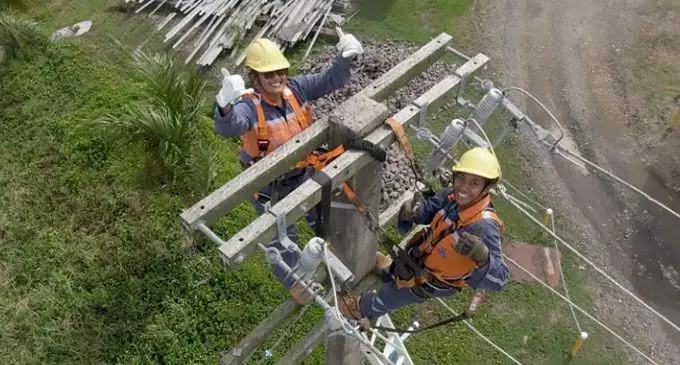
World Bank research has found that closing gender employment gaps could increase GDP per capita by up to 22 percent in the Pacific. Photo: World Bank Organisation
In the Pacific, an area highly vulnerable to climate change, a significant transformation is underway in the energy sector.
This change encompasses advancing towards a climate-aware energy industry and challenging and reshaping existing gender norms in the energy workforce.
This transformation is supported by the World Bank through the Pacific Women in Power Program (PWIP), which is being implemented in collaboration with the Pacific Power Association and the Pacific Community.
Related stories
PWIP
PWIP is an extensive innovative initiative dedicated to enhancing women’s roles in engineering, science, and leadership within the energy sector that has received groundbreaking endorsement from energy ministers and energy utility leaders from across countries in the Pacific.
PWIP’s comprehensive goals include building evidence and data-driven business cases and targets, engaging champions for advocacy, developing multi-year skill and employment programs, and enhancing capacity building and knowledge management across different groups in the sector.
These efforts aim to bolster women’s employment and economic empowerment in the energy sector.
Economic Impact of Gender Equality
Female labor force participation across most of the Pacific countries is low.
The World Bank highlights the broader economic benefits of gender equality, estimating that long-term economic growth per person could on average be 22 percent higher, for the Pacific region, if women’s employment rates matched men’s.
There is also a strong business case for gender diversity at work, with research showing better financial performance, greater innovation, safer operating environments, and improved employee retention.
Preliminary findings of data gathered across 14 Pacific energy utilities reveal that only 18 percent of the labor force is female, and only 10 percent of engineers are women.
Voices from the industry
Industry leaders also echo the importance of PWIP’s objectives and recognise the challenges they need to overcome.
General Manager of Customer Services Droumand Rupert and Deputy CEO Delilah Homelo from Solomon
Power, noted that geography and isolation in Solomon Islands make it difficult for women to work ‘out in the field’, with their families not accepting this work away from the home.
“We must work on these sorts of social barriers, possibly with proper out-station housing and safety procedures in place for women that address safety and social concerns,” Mr Rupert said.
Inspiring the next generation
Despite these challenges, a new generation of women is emerging in the Pacific’s energy sector.
Fuimaono Sarafina Lesa, a Graduate Electrical Engineer at Samoa’s Electric Power Corporation chose a career in energy because it’s at the forefront of addressing her generation’s pressing issues, from climate change to sustainable development.
“I’ve always been fascinated by the potential innovation in this field.
“As an engineer, I am able to be a part of the solution, to drive and make impactful change through new technologies,” Ms Lesa said.
As the only woman in her class, Silvia Halofaki, a Mechanical Engineering Student at the University of the South Pacific, said it can be challenging.
“When I look around, I don’t see any other women in my class.
“And it’s not easy trying to work alongside only boys,” Ms Halofaki said.
Support for Gender Equality and Investment in STEM
To help more women choose a similar path, Minister for Women, Children and Poverty Alleviation Lynda Tabuya passionately spoke about the need for systemic change to create more pathways for girls and women, both in education and in the workplace.
“We need to encourage our women and girls to participate equally as we’re looking at the future of work,” Ms Tabuya said.
She identifies significant challenges, including hiring discrimination and unequal pay, which must be addressed to create a level playing field.
“It’s discouraging, but it is up to us to tackle these issues,” Ms Tabuya said.
Source: World Bank Organisation








