Thousands may be living with HIV without knowing their status
Health expert warns Fiji could reach 25,000 people living with HIV by 2029 without stronger action.
Friday 21 August 2026 | 16:00
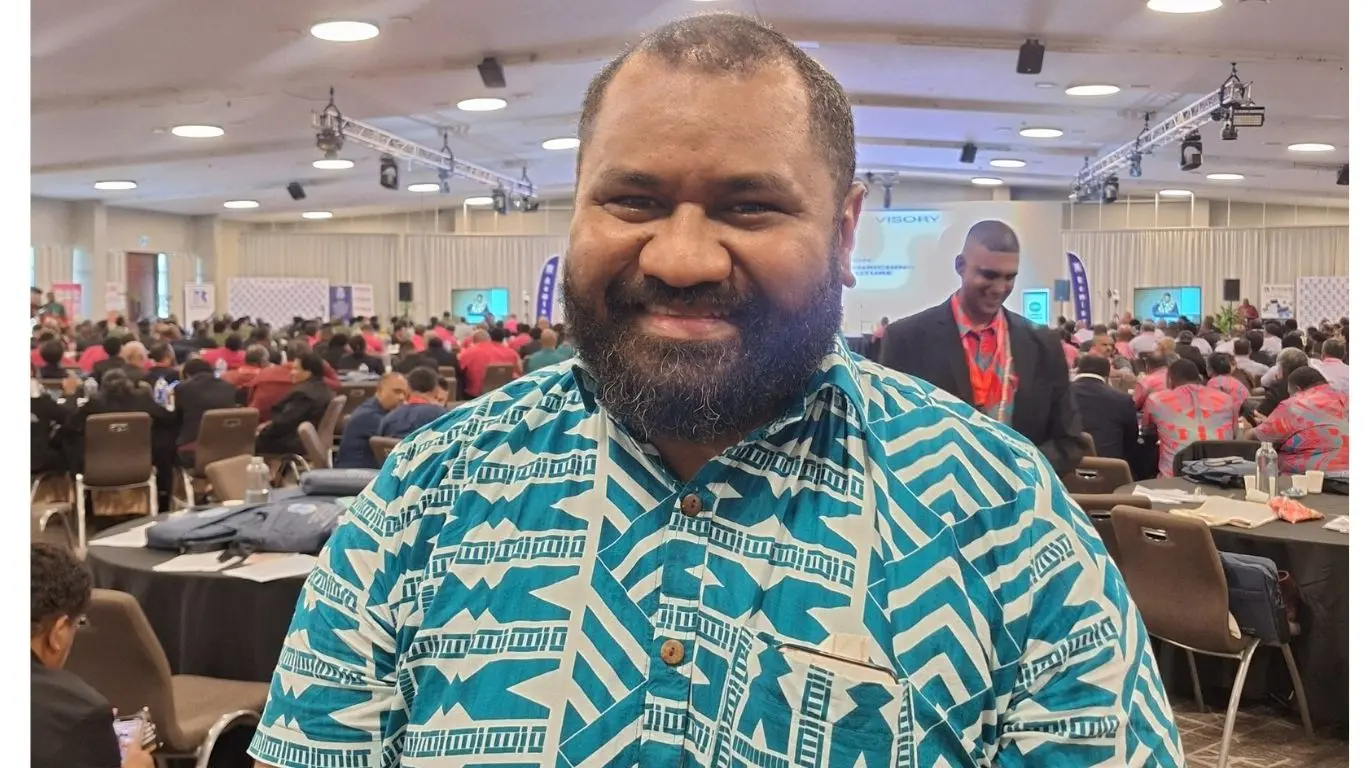
Ministry of Health and Medical Services Sexual and Reproductive Health and HIV Unit harm reduction lead Dr Sailosi Soqo.
Photo: Katherine Naidu
Fiji could have thousands more people living with HIV than have been diagnosed, as health authorities confront a rapidly expanding outbreak and warn that children are increasingly being affected.
Ministry of Health and Medical Services Sexual and Reproductive Health and HIV Unit harm reduction lead Dr Sailosi Soqo said Fiji recorded 2,016 new HIV diagnoses in 2025, compared with 121 in 2021.
But he said estimates suggested about 9,000 people could be living with HIV, meaning thousands may not know their status or be accessing treatment.
Related stories
“But the estimates tell us that the new cases are actually around 9,000, so there are 7,000 cases out there that haven't even come to us yet,” Dr Soqo said.
He made the remarks at the Fiji Head Teachers Association 43rd Annual Conference at the Sheraton Fiji Golf and Beach Resort in Denarau, Nadi, today.
Dr Soqo said Fiji had moved from decades of low HIV prevalence to an outbreak, with injecting drug use now the leading reported cause of transmission.
Fast forward from 2020 to 2025; injecting drug use is now the number one cause. Now patients are telling us that they do not have sexual intercourse, but they are injecting drugs.
Ministry of Health and Medical Services Sexual and Reproductive Health and HIV Unit harm reduction lead Dr Sailosi Soqo
He said HIV cases had accelerated sharply between 2020 and 2025, with numbers skyrocketing between 2023 and 2024.
In 2025, the Ministry of Health declared a national HIV outbreak.
The impact is also being felt among children.
Dr Soqo said 67 children were among the new HIV cases recorded last year, including 59 infections transmitted from pregnant mothers to their babies.
He said 117 people with HIV died last year, including 17 children younger than 15.
“The most worrying trend is 17 children under 15 passed away, which is one of the highest in the world. This is preventable.”
Dr Soqo said the youngest HIV case in Fiji was 10 years old.
He urged head teachers to play a greater role in protecting children and supporting HIV prevention.
He said younger children needed to learn about body autonomy, safety and relationships, while older pupils needed age-appropriate discussions about puberty and relationships.
“Class five to class eight, this is where hard conversations start to happen: puberty and first relationships. We found out that most are sexually active by 13 to 14. This is the reality that we're having,” he said.
Dr Soqo warned that without stronger action, Fiji could reach 25,000 people living with HIV by 2029.
The figures presented at the conference point to a rapidly changing HIV landscape, with health authorities facing the challenge of identifying people who may be infected but have not yet come forward for testing and treatment.