Three Communities Hit By Climate Change Empowered By EU Workshop
Three communities in Cakaudrove affected by climate change have been empowered after a three days comparative learning and policy advocacy workshop.
Sunday 24 April 2022 | 06:00
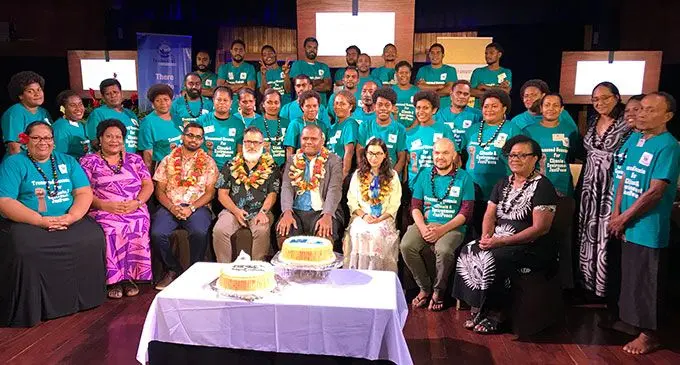
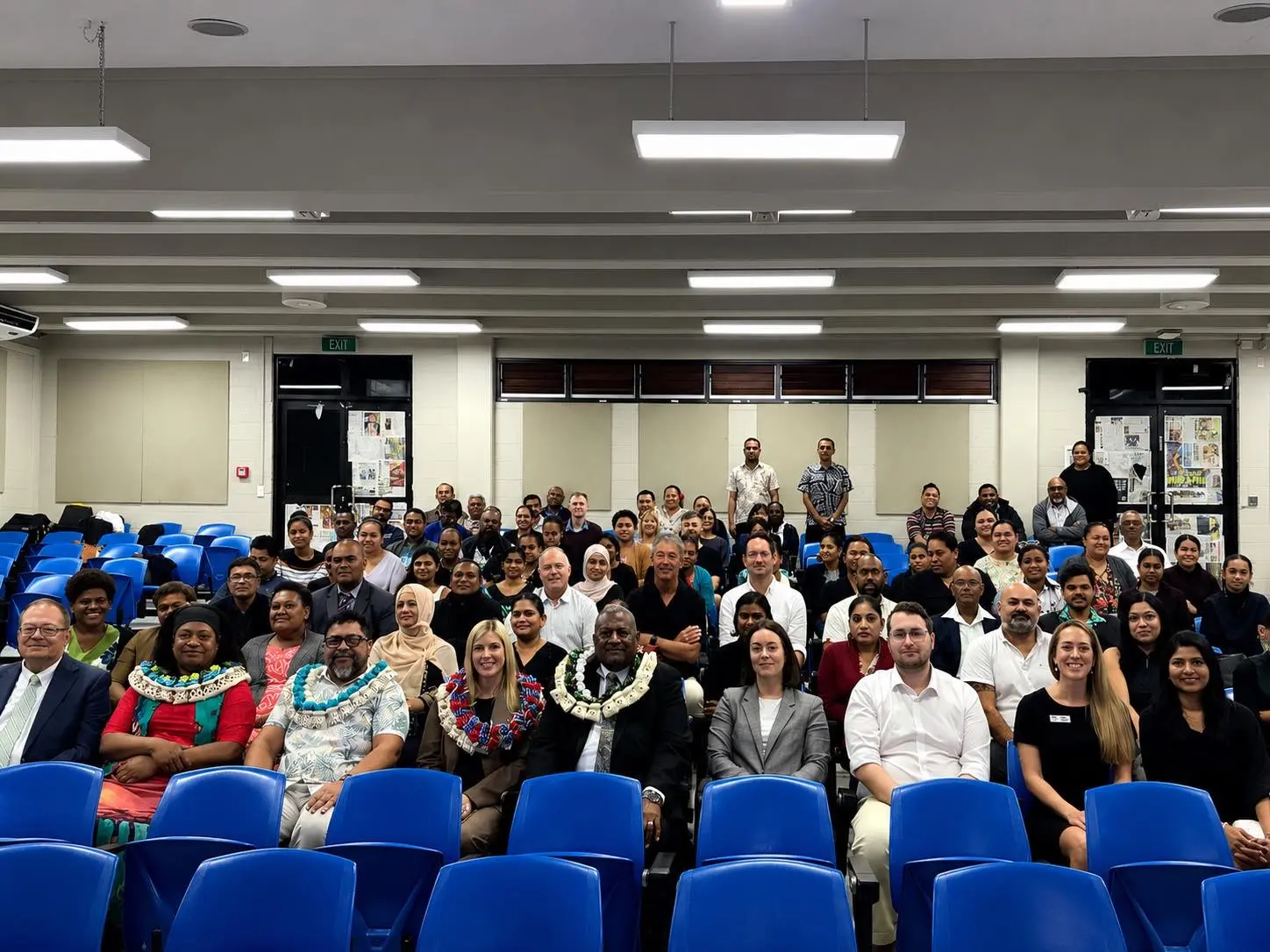
Representatives from Naviavia Settlement, Vunisavisavi Settlement and Vunidogoloa Village gathered with chief guests during the closing of three days training at Wasawasa conference room of Namale Resort in Savusavu on April 22, 2022. Photo: Shratika Naidu
Three communities in Cakaudrove affected by climate change have been empowered after a three days comparative learning and policy advocacy workshop.
Thirty representatives from Naviavia Settlement, Vunisavisavi Settlement and Vunidogoloa Village gathered at this workshop funded by European Union and Ministry of Foreign Affairs and Trade- New Zealand (MFAT).
They all voiced their concerns and recommendations before the Transcend Oceania and Conciliation Resources’ facilitators and chief guests at Wasawasa conference room of Namale Resort in Savusavu on Friday.
Related stories
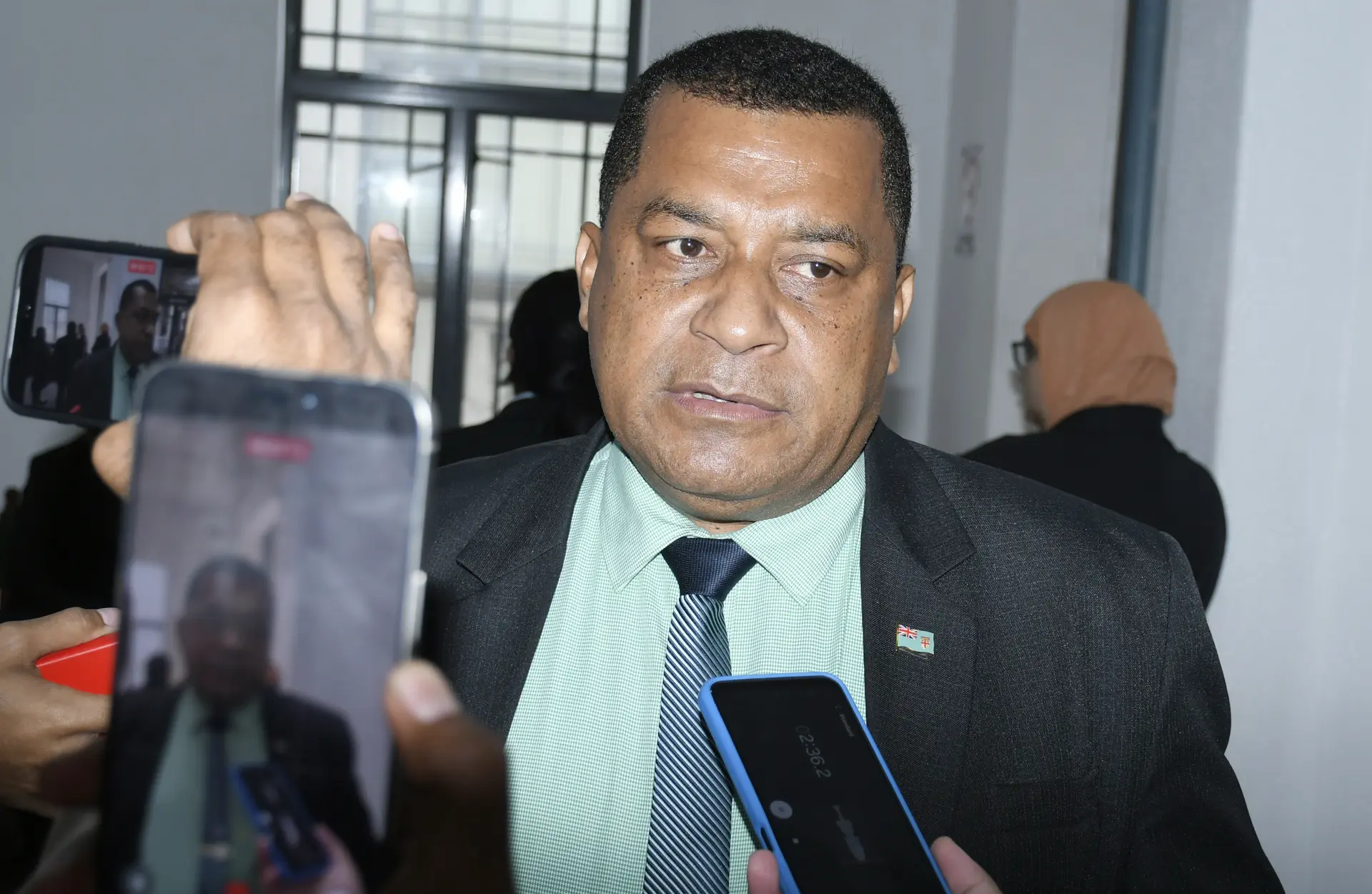
They were Divisional Planning officer Northern Setareki Dakuiboca, senior development adviser of climate change from New Zealand High Commission Krishniel Narayan and representative from European Union Pacific head of section civil society, gender, human rights, health development and co-operation unit Pedro Velazquez.
Vunidogoloa Village
Vunidogoloa Village headman Penioni Soqovata said they relocated to a new place in 2014.
“Due to sea level rise our old village located near the sea used to get flooded,” Mr Soqovata said.
“So Government assisted us to relocate closer to the road at a higher ground, but we have been facing few challenges.”
He said poor road conditions caused a number of pregnant women to deliver on the way.
“During bad weather, vehicles can’t enter the village so children go to school late or miss out school,” he said.
“We have very poor network so university students have to go to Savusavu Town to access internet.”
Naviavia Settlement
Naviavia Settlement consists of Solomon Islanders who stay on 300 acre land given by the Anglican Church.
Naviavia Settlement headman Marika Sade said their biggest fear was there was no documentation that the place where 256 people were living had rights to the land.
“We are worried as the Kiribati Government bought 5000 acres of land and within this land area we are residing in the middle,” Mr Sade said.
“We don’t know when the people from Kiribati come, whether we can continue to live on the land or not,” Mr Sade said.
“Secondly for over two decades we have been fighting for our identity.”
He said when they filled forms they were told to tick under others and not Fijians.
“Sometimes we are deprived of essential services,” he said.
“We hope this denial of services in this country will stop after all we have lived much longer here.”
Vunisavisavi Village
For Vunisavisavi Village, headman Aisake Lovobalavu said even if they wanted to relocate, they couldn’t because of their traditional duties.
“The late Tui Cakau sent my great grandparents from Somosomo, Taveuni to this village and told them to stay there and look after the ‘lalagavesi’ (sacred ground of Tui Cakau),” Mr Lovobalavu said.
“There are 14 households and now whenever there is high tide, the seawater comes in the village.”
He said even the vehicle drivers do not want to drive to the village because they fear seawater and muddy land.
“Even during emergencies no one wants to drive to the village and imagine how pregnant women, children and elderly suffer,” he said.
“We had requested for a seawall and foot crossing to the Government, but nothing has been done.”
EU on climate change
Meanwhile, one of the chief guests, European Union for the Pacific head of section civil society, gender, human rights, health development and co-operation unit Pedro Velazquez said climate change was and has been a top priority for the EU.
“We know that the Pacific island states are particularly vulnerable to the adverse effects of climate change and that the livelihoods of people who depend on natural resources are constantly at risk,” Mr Velazquez said.
“I would like to congratulate all the community representatives for your courage to come to this meeting and engage in this dialogue.”
He told the 30 participants that their concerns and needs matter and expressing them was the first step in helping their communities to advance.
Transcend Oceania executive director Adi Vasulevu Levu said they’ve partnered with Conciliation Resources to conduct the workshop and engage in partnership with these communities that are affected by climate change.
The project is called Strengthening the Roles of Civil Society and Climate Change and Justpeace Communities in Fiji.
Feedbacks: shratikan@fijisun.com.fj