Top lawyer opposes Lynda Tabuya’s death penalty call
“This is not just a story of illicit substances, it’s a story of human vulnerability,” Ms Khan-Sharma.
Thursday 29 August 2024 | 14:25

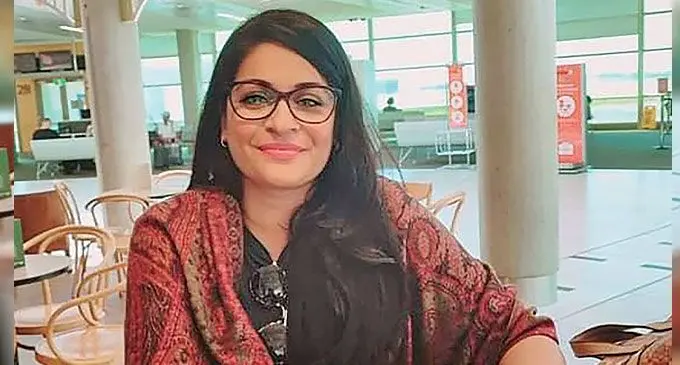
The influence of illicit drugs is Fiji’s silent crisis, says international human rights lawyer Sabrina Khan-Sharma.
The United Kingdom Lead5050 International 2021 Champion of Change award winner said the solution could be on the exploitation behind the drug pandemic and the path to rehabilitative justice through redemption.
She made the comments following the death penalty call against illicit drug traffickers by the Minister for Women, Children, and Social Protection, Lynda Tabuya.
Related stories
“This is not just a story of illicit substances, it’s a story of human vulnerability,” Ms Khan-Sharma.
She said the drug trade thrived on desperation and vulnerability, preying on those the vulnerable in society.
She said helping the vulnerable would not equate to killing others.
“Rehabilitation is important and beneficial to society. It’s a vicious cycle, where poverty and lack of opportunity drive individuals towards risky choices, perpetuating the very system that exploits them.
“While the drug trade is undeniably a heinous crime, with devastating consequences for individuals and communities, the question of how to address this complex issue remains a challenge.”
She said while some advocated for harsh punishments, including the death penalty, others believed that a more compassionate approach was needed.
She said the story of Andrew Chan and Myuran Sukumaran, members of the Bali Nine, was a poignant reminder of the power of redemption.
Ms Khan-Sharma said despite their involvement in drug trafficking, both men found faith and dedicated themselves to helping others while incarcerated.
She said their execution, despite their transformation, raised questions about the role of forgiveness and the possibility of rehabilitation.
Ms Khan-Sharma said fighting drug problem in Fiji needed a broad approach: tackling poverty, providing support and rehab for addicts and trafficking victims, and fostering compassion and understanding.
“The future of Fiji hinges on our ability to recognise the human cost of this crisis and to work towards solutions that priorities both justice and redemption. The time for action is now before the drug pandemic continues to erode the very fabric of Fijian society.”
Feedback: waisean@fijisun.com.fj