VIOLENCE AGAINST WOMEN AND GIRLS AND HIV/AIDS – A DEADLY LINK
The connection between sexual violence and the transmission of HIV is particularly disturbing.
Tuesday 03 December 2024 | 10:47

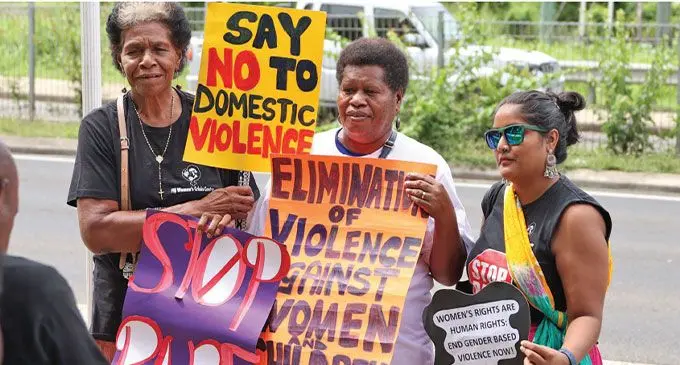
Supporters marched during the launch of the 16 Days of Activism Against Gender-Based Violence in Suva last month. Photo: Fiji Women’s Crisis Centre
As the world observed World AIDS Day on December 1, the Fiji Women’s Crisis Centre (FWCC) is raising alarm over the deadly connection of violence against women and girls (VAWG) and the HIV/AIDS pandemic.
In a statement, FWCC highlighted that the two crises were deeply interconnected, with gender inequality and violence significantly contributing to the spread of HIV, particularly among women and girls in Fiji and around the world.
Globally, HIV/AIDS has claimed over 43.2 million lives, with women and girls, especially those aged 15 to 24, bearing a disproportionate burden.
Related stories
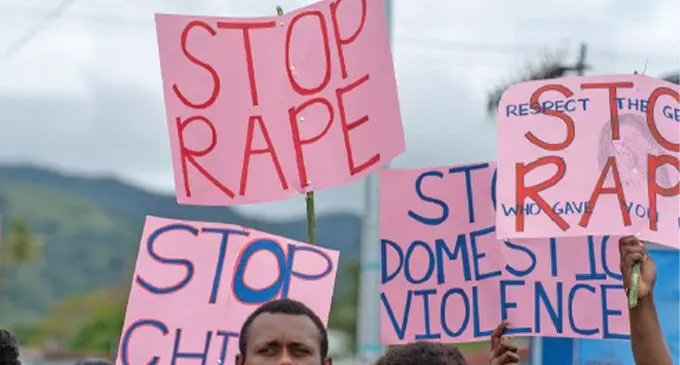
Supporters marched during the launch of the 16 Days of Activism Against Gender-Based Violence in Suva last month.
In sub-Saharan Africa, young wom-en in this age group are three times more likely to acquire HIV than their male counterparts. The link between violence against women and the spread of HIV is undeniable.
In Fiji, the Ministry of Health and Medical Services reported 552 new HIV cases from January to June 2024, with the majority of cases (380) in Central Fiji.
While sexual transmission remains the primary mode of HIV transmission, a concerning 15 per cent of new cases are linked to the sharing of nee-dles among injecting drug users.
This phenomenon, known as “Bluetoothing,” further exacerbates the challenges in addressing the HIV crisis in Fiji. The FWCC stressed that violence against women in Fiji was both a cause and consequence of HIV infection.
According to the FWCC’s National Prevalence Study, 72 per cent of wom-en in Fiji experience intimate partner violence—physical, sexual, or emotional. Alarmingly, one in three women in Fiji experienced sexual vio-lence at the hands of their husbands or partners.
"Violence against women and girls is not just a violation of their human rights, it is also a public health crisis," said the FWCC in their statement.
"Women who experience violence are more likely to contract HIV, and women living with HIV are more likely to suffer from further abuse."
The connection between sexual violence and the transmission of HIV is particularly disturbing.
Sexual violence, including marital rape, remains a significant risk factor for HIV transmission. In 2023 alone, FWCC supported 204 rape survivors, including 115 cases of marital rape, 61 child rape survivors, and 28 women who were victims of rape.
The FWCC has therefore called for urgent action to address these two interconnected pandemics.
In Fiji, the National Action Plan for the Prevention of Violence Against Women (NAP) was launched in 2024, recognising patriarchy and gender in-equality as the root causes of VAWG.
However, the FWCC stressed that much more needs to be done to re-duce the HIV burden among women, especially through a comprehensive approach that combines both HIV prevention and efforts to combat violence against women.
"Gender inequality, VAWG, and HIV/AIDS cannot be tackled in isolation," said the statement.
“We must address the root causes of violence and provide comprehensive support and services for women and girls, empowering them to protect their health and rights. This includes improving access to education, health services, legal protections, and creating an environment where women are not afraid to speak out against violence.”
The FWCC concluded its statement with a call to action: “We must foster a culture of awareness and support that dismantles the societal norms that perpetuate men’s violence against women and girls. Only then can we make meaningful progress in preventing HIV, ending violence against women, and ensuring that women and girls can live free from harm and discrimination.”
Feedback: inoke.rabonu@fijisun.com.fj