We will not stop helping drought-hit families: Nand
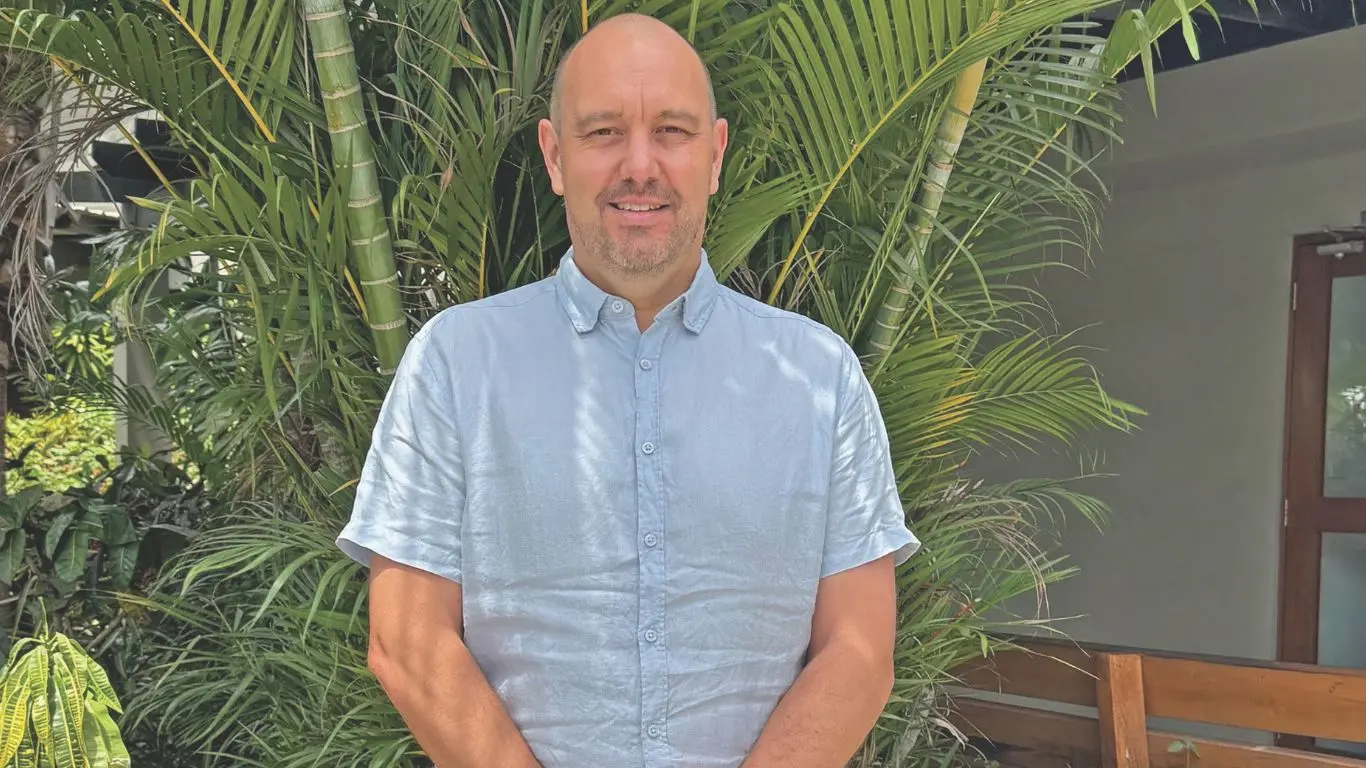
Committee chairman Vineel Nand said administrative procedures should not delay urgent humanitarian assistance, particularly when families were struggling to access drinking water.
Monday 30 November 2026 | 08:00

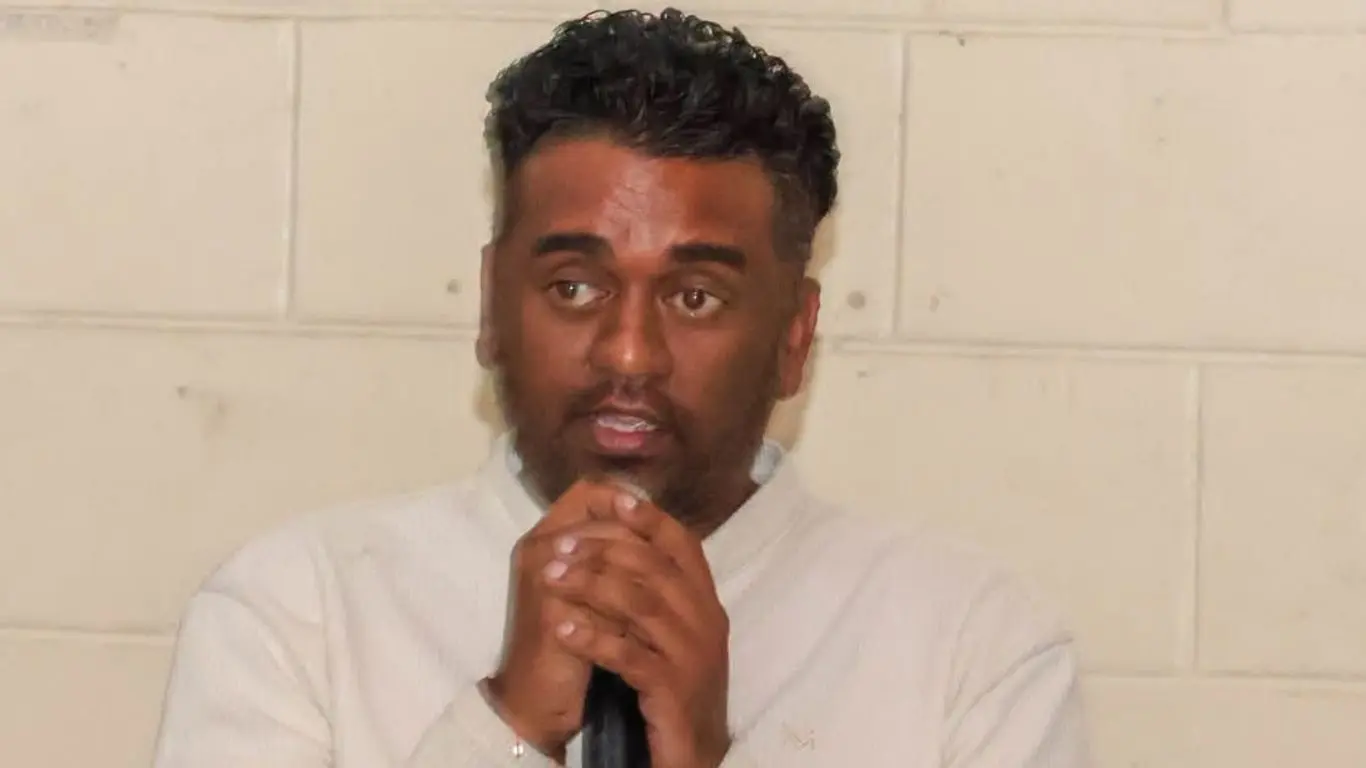
The National Senior Citizens Committee has vowed to continue delivering humanitarian assistance to drought-affected families, saying it is prepared to defend its work through legal channels should any action be taken against it.
Committee chairman Vineel Nand said administrative procedures should not delay urgent humanitarian assistance, particularly when families were struggling to access drinking water.
“We have been serving communities for the past 20 years, and we will not stop what we have been doing,” Mr Nand said.
Related stories
His comments follow the introduction of new Government regulations requiring organisations and individuals to coordinate drought relief assistance through disaster authorities.
Mr Nand said while the committee supported accountability, transparency and coordination, it wanted clarification on whether independent humanitarian organisations needed to register, notify authorities or obtain prior written approval before assisting communities.
“If our commitment to helping vulnerable families results in any legal action, we will stand by the humanitarian purpose of our work and seek to defend our position through the proper legal channels,” he said.
The committee has already assessed affected communities and distributed drinking water to families in need, with volunteers travelling from Suva to the Western Division.
It is also preparing to visit the Northern Division to identify communities requiring assistance.
Concerns over delays
National Federation Party deputy leader Dr Ahmed Shariff also questioned the restrictions, saying donors should retain the freedom to assist communities where they identified genuine needs.
“Their work should be recognised and supported. If coordination adds paperwork or layers of approval, it risks discouraging those already helping and those ready to step forward. Families waiting for drinking water cannot afford unnecessary delays,” Dr Shariff said.
He suggested that the National Disaster Risk Management Office (NDRMO) maintain regular contact with village leaders, district officers and relief groups, while providing divisional contacts for donors to report planned deliveries.
Government’s position
The National Disaster (Response to Drought Conditions Arising from the 2026–2027 El Niño Event) Regulations 2026 came into effect on November 18.
Regulation 3(4) requires development partners, United Nations agencies, non-governmental organisations, the private sector and individuals to coordinate drought-related assistance through the Ministry of Rural and Maritime Development and National Disaster Risk Management and the NDRMO.
Government said coordination was necessary to prevent duplication, unequal distribution and gaps in drought assistance.
It said the National Emergency Operations Centre and Divisional Emergency Operations Centres would verify needs and monitor relief activities.
Mr Nand maintained that coordination should not become an obstacle to helping vulnerable families.
“Our responsibility is to humanity, not politics. When people are thirsty, we must bring water. When people are suffering, we must stand with them,” he said.