Invest in diabetes prevention before paying for complications: Marawa
Mr Marawa warned that Fiji’s economic prosperity was at risk if chronic illnesses continued to undermine the productivity and wellbeing of the working population.
Friday 27 November 2026 | 16:00
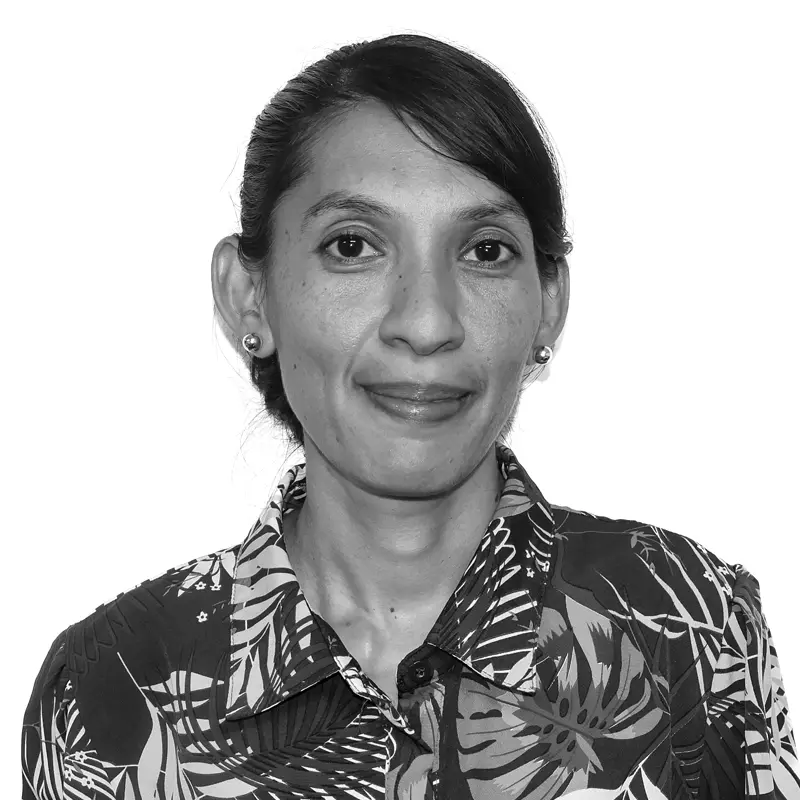

Diabetes Fiji Incorporation (DFI) Executive Director Kini Marawa.
Diabetes Fiji Incorporation (DFI) has called on the Government to move beyond policy discussions and commit sustained funding to community-based programmes tackling the country’s diabetes crisis.
Executive director Kini Marawa said policies and strategic plans would have little value unless they were backed by adequate resources and translated into measurable improvements in people’s lives.
“Policies are necessary, legislation is important, and strategic plans are indispensable, but their value ultimately depends upon effective implementation and demonstrable improvements in people's lives,” he said.
Related stories
“We cannot continue celebrating the development of policies while communities struggle to experience their intended benefits, nor continue producing reports documenting preventable suffering without mobilising the resources necessary to alleviate it.”
Mr Marawa acknowledged previous engagements and proposals shared with Government representatives but stressed that dialogue must translate into adequately financed, measurable action.
Funding concerns
He clarified that Diabetes Fiji was not asking the Government to duplicate existing health services, but to strengthen and invest in proven programmes already advancing national healthcare objectives.
“Through our community-based initiatives, clinical partnerships and multidisciplinary programmes, we continue to demonstrate the value of taking healthcare closer to the people,” Mr Marawa said.
“However, their sustainability cannot be guaranteed through short-term donor funding and intermittent financial assistance alone.”
Cost of inaction
Mr Marawa warned that Fiji’s economic prosperity was at risk if chronic illnesses continued to undermine the productivity and wellbeing of the working population.
Highlighting young diabetes advocate Nathan Cokanauto, Mr Marawa said young people living with diabetes represented a generation refusing to allow the condition to determine their future.
“His courage must be matched by our institutional commitment. His advocacy must be supported by meaningful investment, and his aspirations must be accompanied by practical opportunities,” he said.
Mr Marawa reaffirmed that Diabetes Fiji’s position was humanitarian and evidence-informed rather than partisan.
He said the organisation stood ready to collaborate with the Government and stakeholders to strengthen the national response to diabetes.
“The time has come to move from dialogue to delivery, from policy formulation to implementation, and from documenting the burden of disease to demonstrably reducing it,” he said.
“Let us invest in prevention before we pay for complications. Let us protect our children before they become another statistic and safeguard our population before the cost of inaction compromises our economic future.”