Why the Outcome of COP28 is Crucial to Fiji, Pacific
Dr Prasad said losing the 1.5 target would have catastrophic consequences for people and communities across the Blue Pacific.
Tuesday 12 December 2023 | 09:22

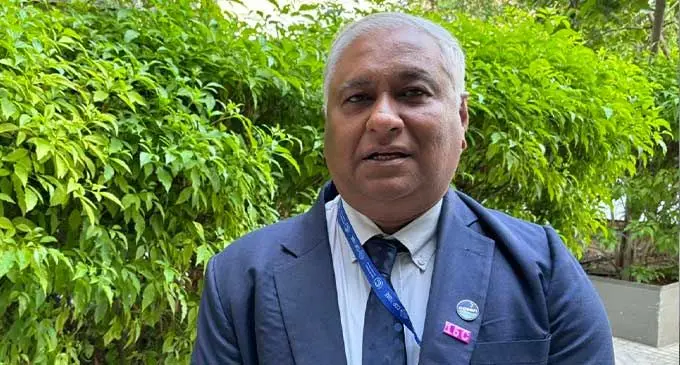
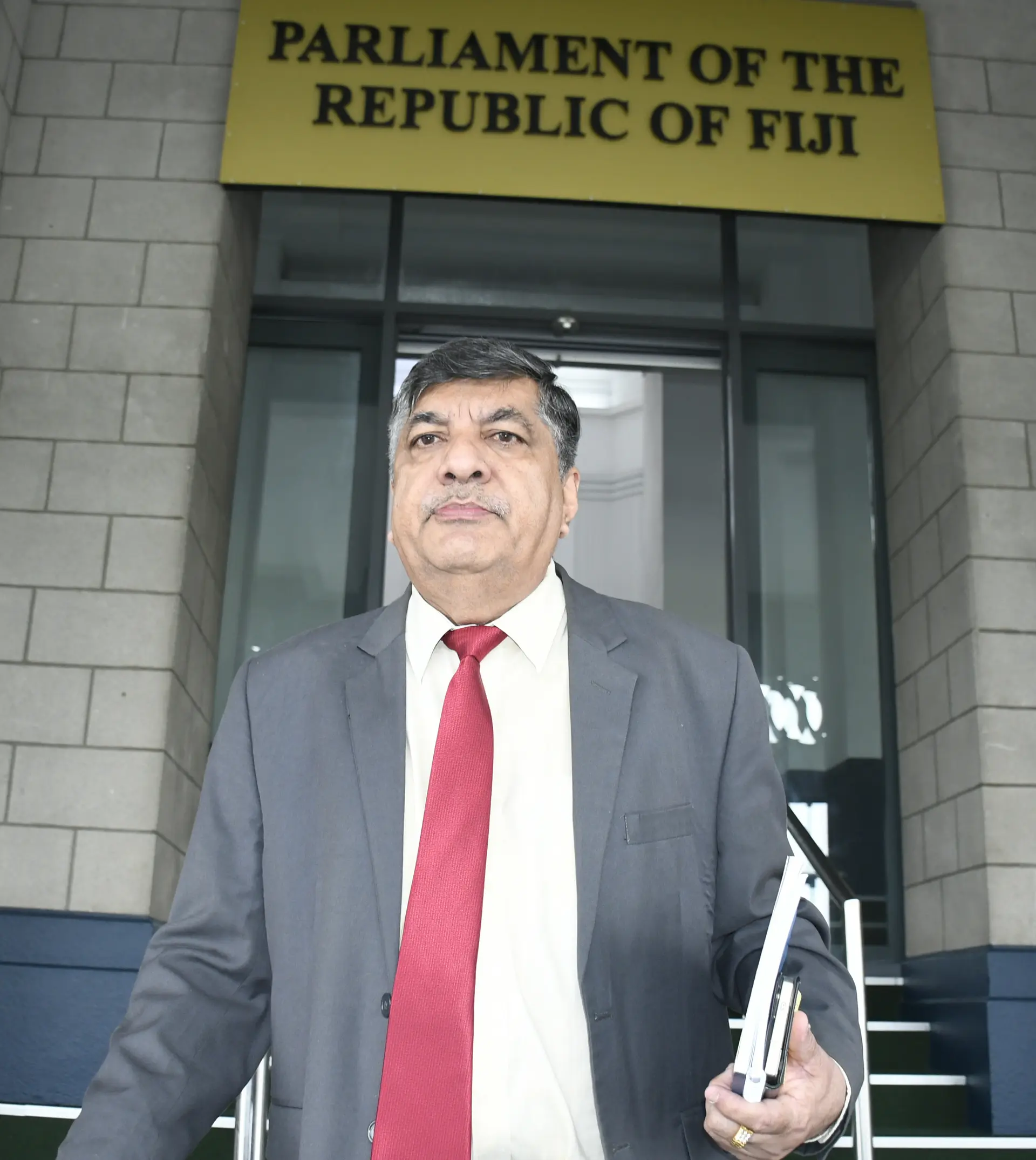
Former Fiji’s Permanent Representative to the United Nations and Abt Associates Climate lead Dr Satyendra Prasad. Photo: Inoke Rabonu
As negotiators scramble to bridge differences over the phasing out of fossil fuel at the final day of COP28, the pressure is on for the COP28 presidency, United Arab Emirates, to deliver and secure a historic outcome that restores hope and return the planet to a 1.5 Celsius pathway.
Fiji’s former Permanent Representative to the United Nations and Climate Lead at Abt Associates, Dr Satyendra Prasad said the world was dangerously close to losing the 1.5 goal and this COP was a crucial one for the Blue Pacific.
Dr Prasad led the Fijian delegation to COP27 in Sharm El-Sheikh, Egypt, last year where the establishment of the loss and damage financing facility was endorsed.
Related stories
As the world await the final plenary of COP28, Dr Prasad said not even the announcement of the operationalisation of the Loss and Damage and a new private sector financing facility put forward by hosts UAE will matter if the 1.5 target was lost in Dubai.
“Right now the World stares point blank at losing the 1.5 target irrecoverably,” Dr Prasad said.
Why the outcome of this COP matters?
Dr Prasad said losing the 1.5 target would have catastrophic consequences for people and communities across the Blue Pacific.
According to Dr Prasad, this is why:
- We stand to lose our tuna fish species as it migrates to cooler waters and with it billion dollars in revenue.
- We stand to lose our coral reefs, and with it our food security.
- We stand to lose our multi-billion dollar tourism industry based largely on resorts that are 1-2 metre above sea level. With this, we stand to lose tens of thousands of jobs.
- We stand to lose thousands of elderly and infants each year as they suffer exposure to 50-60 Celsius temperatures for prolonged periods.
This, he said, were some of the reasons why COP28 mattered in deeply personal ways to individuals and families across our region.
“I have in my contributions at COP reinforced this core message by Fiji’s Prime Minister and Pacific’s leaders and civil society.
“For us in the Pacific, 1.5 is not our guardrails. It is the finite boundary within which life as we live and experience it today across the Pacific can continue into the future.”
What must happen for a successful COP28?
Dr Prasad said the starting point was an agreement to phase out all fossil fuels in a just and equitable way.
This, he said, should be done in a way that’s consistent with securing the 1.5 trajectory - not by sacrificing it.
“That is the starting point. This is feasible. The science, technology and finances now add up. Political will is the missing ingredient,” he said.
For a successful COP, Dr Prasad said parties need to:
- Agree to triple the renewable energy capacity by 2030 - in 6 years. That is moving from a genteel stroll on Dubai beach pace to a war footing. Nothing less will get us there.
- secure agreement to place a price on carbon. This will provide the core finances needed to drive a just and equitable transition, bring scale, and speed to climate finance investments.
- agree a tax on carbon that mobilizes financial resources on the scale that is needed.
- adopt a war footing on reversing deforestation; ecosystem loss; biodiversity loss including across our ocean. Nature provides the most powerful tools that we have to fight climate change.
- the outsized role of ocean in climate actions be accepted. The ocean gives us more than 30 percent of the GHG reduction capacity. Pacific’s leaders and UAE itself has asked for a new “blue deal” to be delivered at this COP.
- finally; the global system should stop asking its smallest and most vulnerable states to sacrifice more and more at each successive COP. Small States are the most severely impacted by climate change. Small Island States are the most severely disadvantaged in their access to climate and development finance.
Leadership matters, not recognition
Dr Prasad said leadership, not negotiation was crucial at this phase of COP.
“UAE has demonstrated great leadership to the world in building a powerful modern economy. It has developed enduring relationships with the Pacific Islands.
“UAE has benefited from climate change. UAE can broke concessions from the largest economies and from the fossil fuel industry in ways, others simply cannot.
“The time has come for the UAE presidency to demonstrate extraordinary leadership that this moment in history requires.”
He said the Pacific would owe its gratitude to UAE if 1.5 were restored with credibility and commitment.
Feedback: inoke.rabonu@fijisun.com.fj