Women leaders face inequality, systematic barriers
SPC official says 'invisible systems' disadvantage women in leadership
Friday 24 April 2026 | 14:00
Updated 24 April 2026 | 17:27 FJT
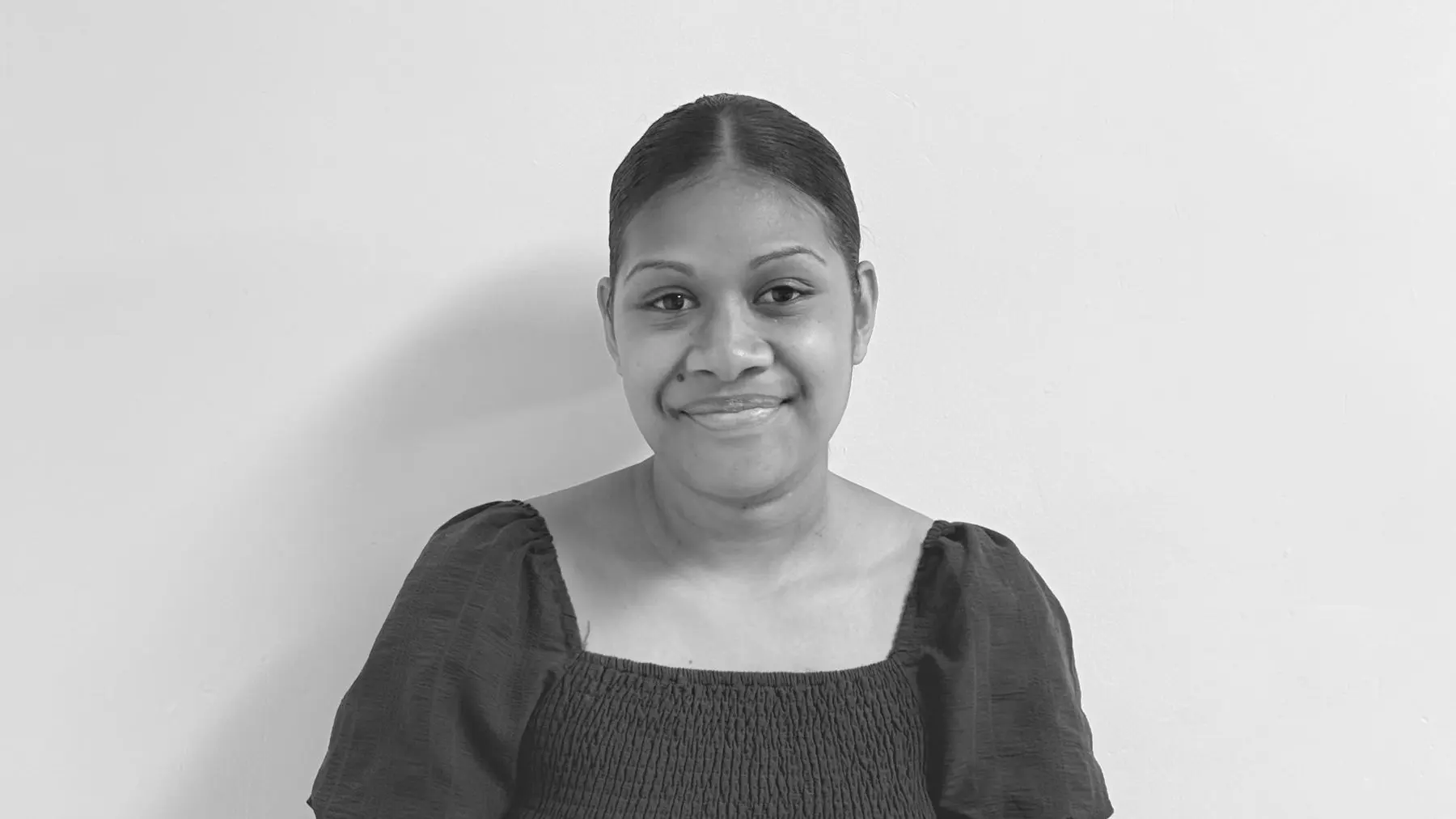
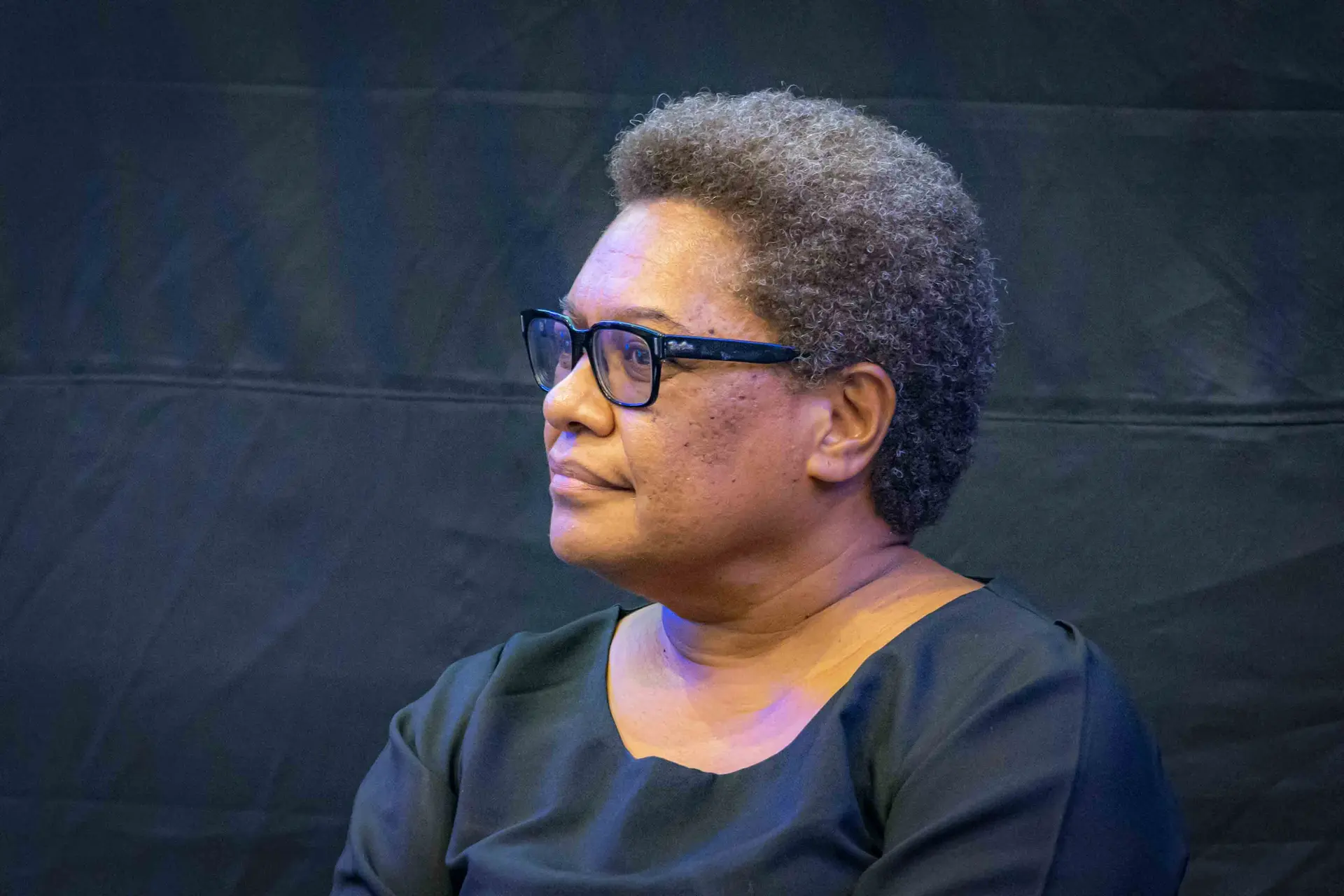
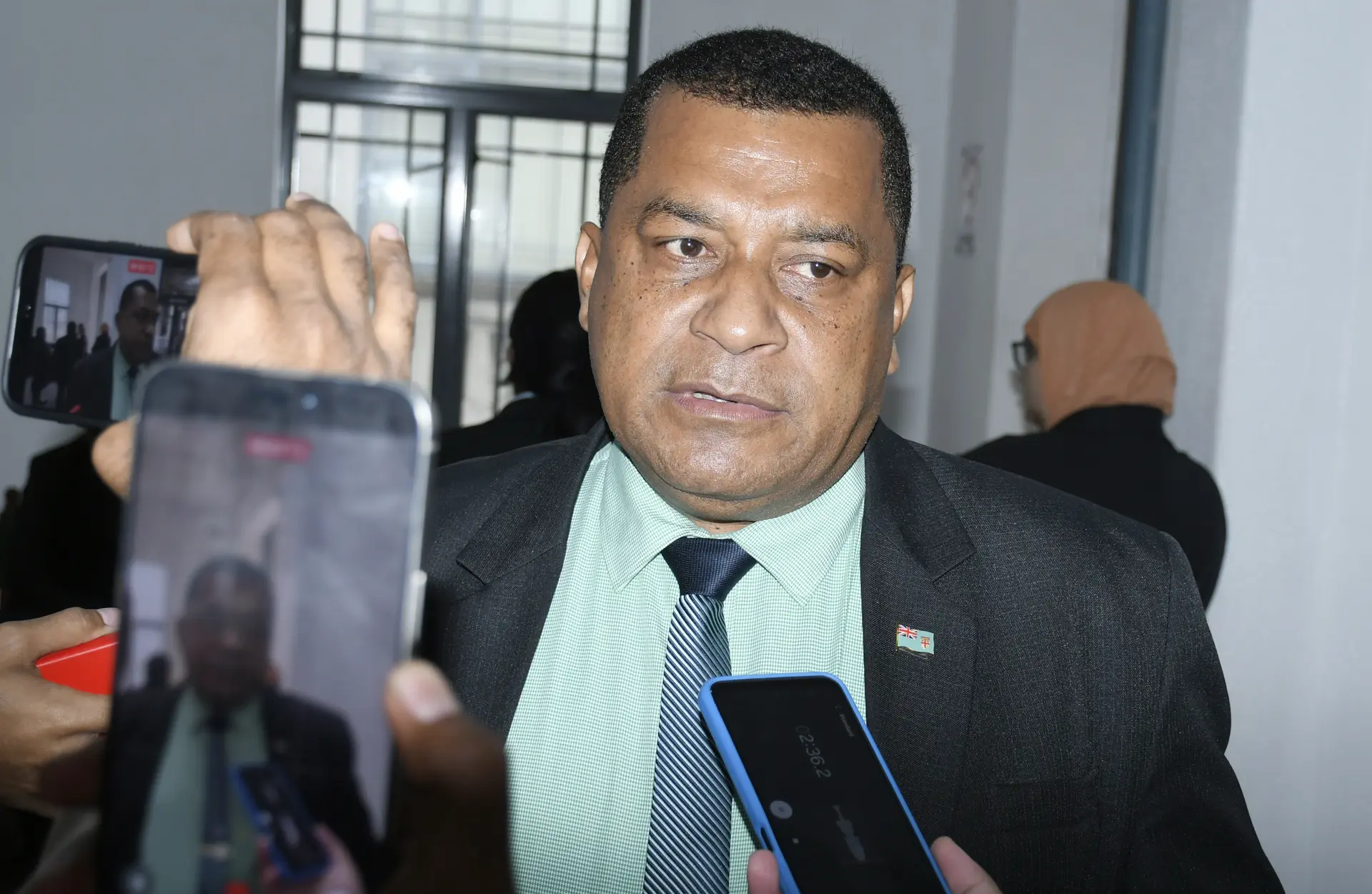
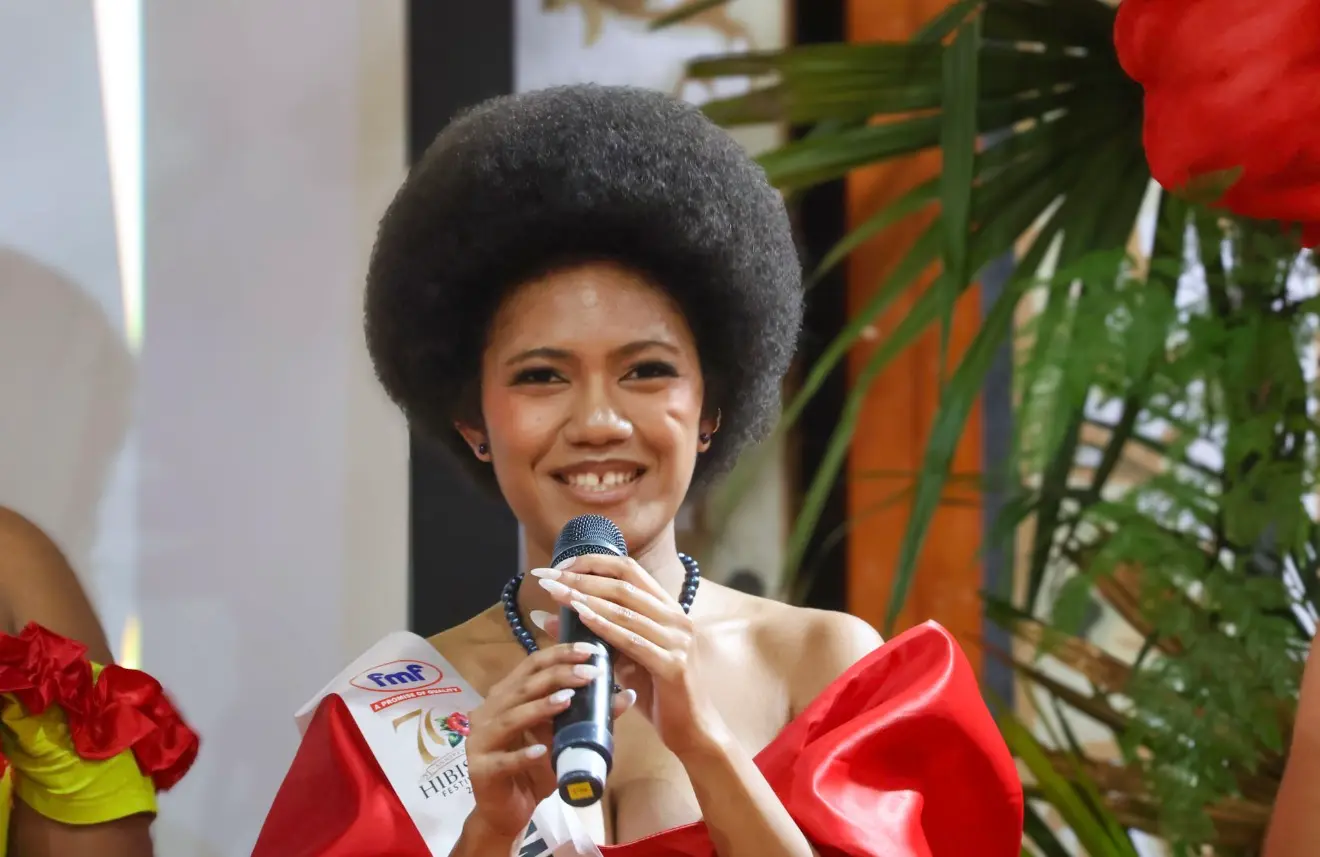
Pacific Community Principal Strategic Lead for Pacific Women, Mereseini Rakuita,
Photo: Talei Roko
Systemic barriers in politics continue to disadvantage women leaders, ranging from campaign financing and safety concerns to media coverage that often focuses on personal lives rather than policy work, say Pacific Community (SPC) Pacific Women and Girls principal strategic lead, Mereseini Vuniwaqa.
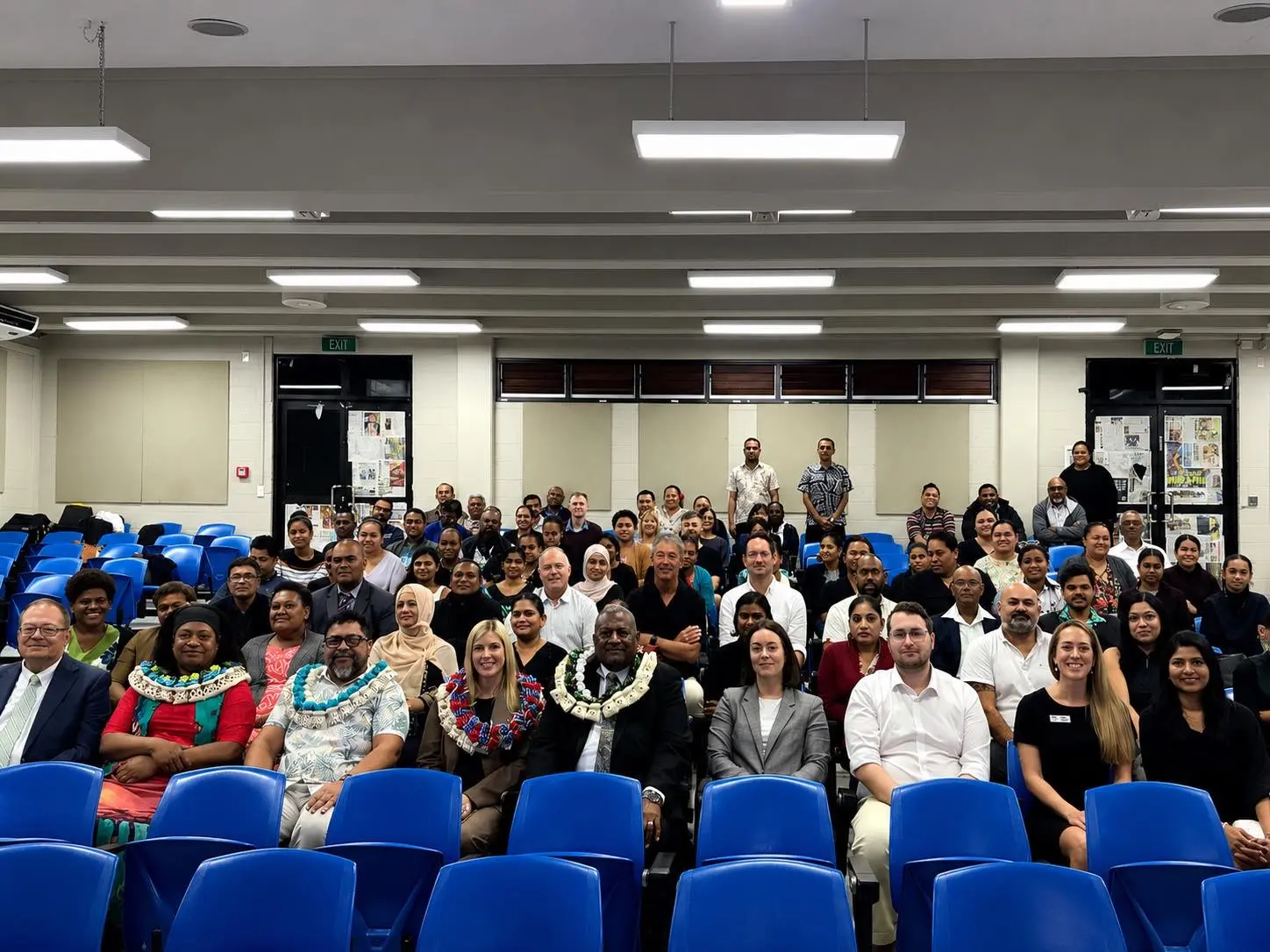
Speaking at a Gender Sensitivity Reporting Workshop, Ms Vuniwaqa said many of the challenges women face in politics are driven by 'invisible systems' designed in ways that favour men.
She said these systems are not about blame, but about recognising structural inequalities that continue to shape participation in leadership spaces.
Related stories
The former Minister for Women pointed to political campaigning as one area where inequalities are evident, including access to campaign financing, unequal networks, and safety concerns that limit women’s participation.
Ms Vuniwaqa said late-night campaigning and informal political networking spaces often expose women to risks or social scrutiny that men do not typically face.
She also highlighted how stronger male political networks often give men an advantage in decision-making spaces, while women are required to navigate additional barriers to be seen and heard.
She said that to be effective in politics, she personally had to adapt and engage in traditionally male-dominated spaces.
Ms Vuniwaqa questioned whether it is fair for women to “jump through hoops” simply to reach the same level as men, adding that unless underlying systems are addressed, women will continue to face unequal expectations in leadership.
She stressed the importance of women’s voices in national development, saying their exclusion means countries miss valuable perspectives, and that the issue is not only about present leadership but also future generations.
Calling for deeper scrutiny, she urged attention to electoral systems, campaign regulations, and parliamentary processes, saying these often hide structural inequalities that require reform.
Ms Vuniwaqa also highlighted the role of the media, saying journalists have a critical responsibility in shaping how women leaders are portrayed.
She said that during her seven years as a minister, she rarely made front-page news for her work, and when she did, it was often unrelated to her achievements.
She criticised media coverage that focuses on women politicians’ personal lives, appearance, or clothing rather than their policy contributions and leadership roles.
Ms Vuniwaqa said women leaders in Fiji and the Pacific are doing significant work locally and internationally, but their contributions are not always reflected in public narratives.
She called for a shift in storytelling, urging greater focus on the work, impact, and representation of women leaders rather than their personal presentation.