Editorial: Budget over badge?
When cost becomes the excuse for vulnerability
Wednesday 25 February 2026 | 09:30
Updated 25 February 2026 | 12:43 FJT

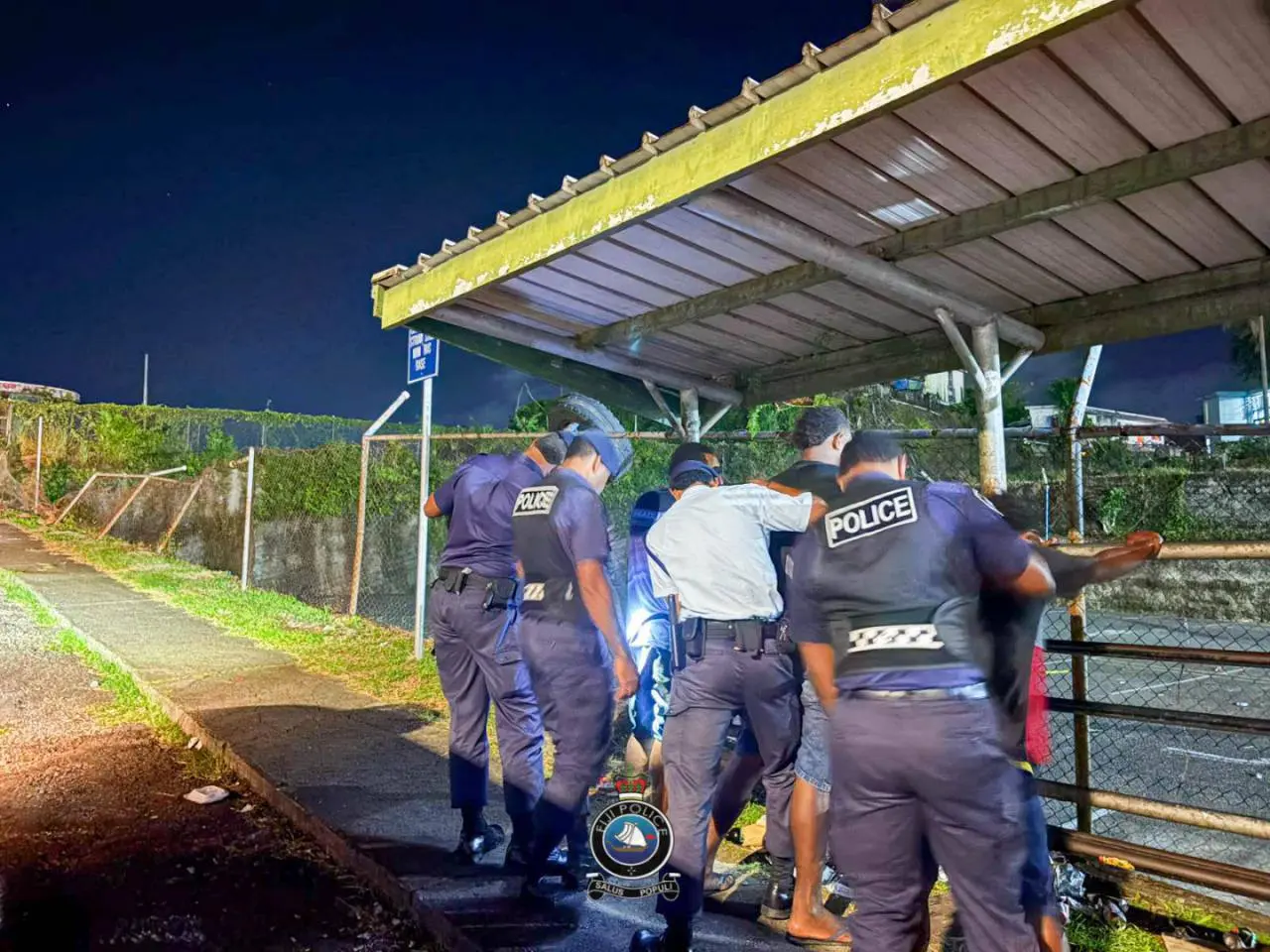
A police officer is dead. Killed while on duty. In uniform. Serving the Republic.
Constable Peniasi Racagi lost his life while carrying out his responsibilities. A young officer. A frontline responder. A public servant.
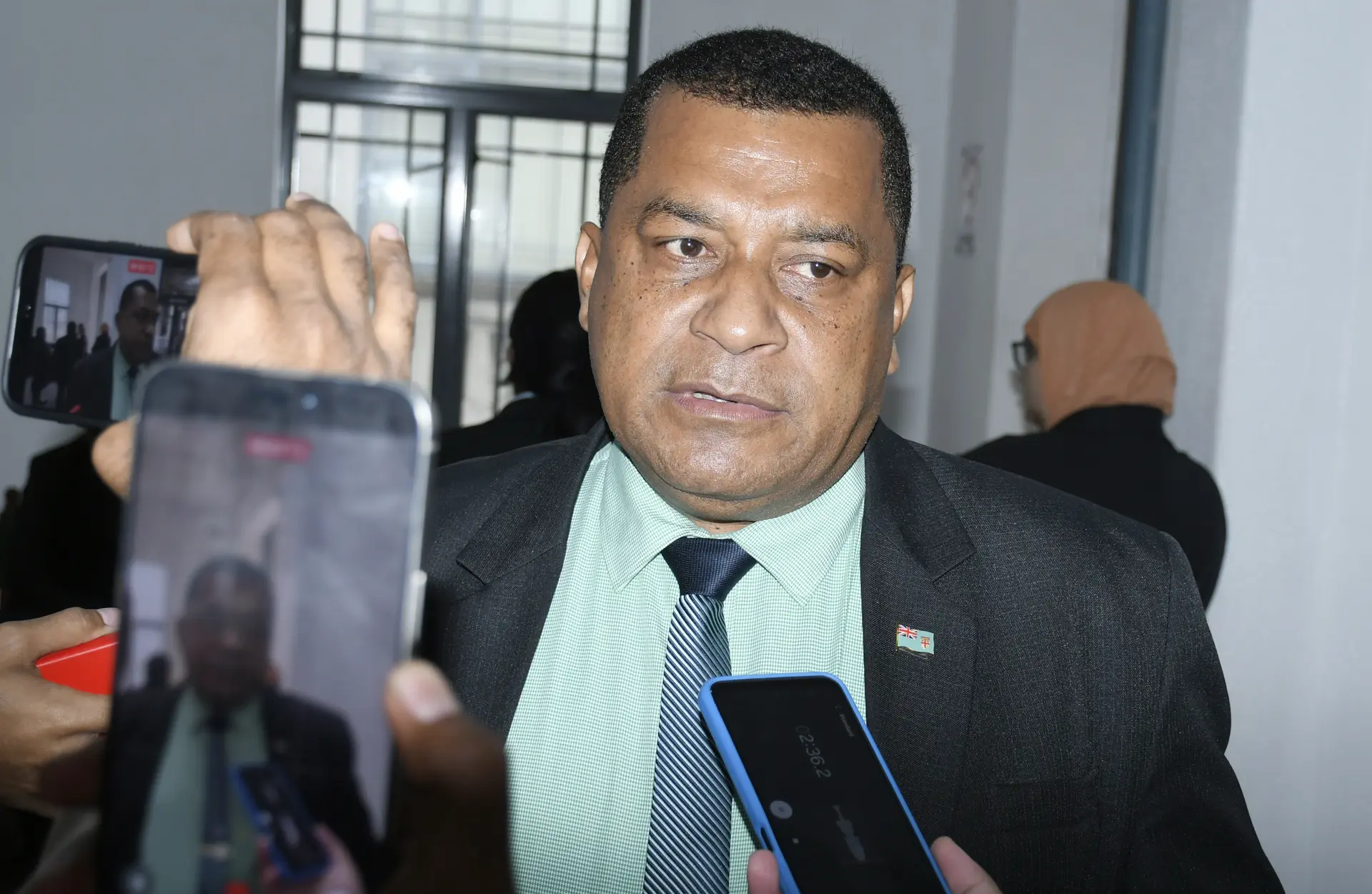
As the nation mourns, Police Commissioner Rusiate Tudravu says Fiji’s current security environment does not justify arming frontline officers with firearms.
Related stories
He also acknowledged calls for body cameras and other protective technology but noted that such upgrades require significant funding, infrastructure and secure data systems.
He is correct that modern equipment cannot simply be bought and deployed overnight. Body cameras require storage systems. Footage must be downloaded, secured and managed properly.
Infrastructure costs money. Planning takes time.
But here is the uncomfortable question. How long should preparation take when risk is already present?
Every police officer understands the dangers of the job. They sign up knowing confrontation is possible. They swear an oath knowing danger exists. But accepting risk is not the same as accepting preventable vulnerability.
No one disputes that policing costs money. Modern equipment costs money. Training costs money. But what is the cost of an officer’s life?
What is the cost of sending men and women into increasingly complex and dangerous situations armed with little more than batons, tasers and handcuffs?
Crime today is more complex than it was decades ago. Confrontations escalate quickly. Backup is not always immediate.
Officers on patrol are often first into volatile situations, sometimes with little more than batons, tasers and handcuffs.
This is not a call for reckless militarisation. Fiji is not a battlefield. It is a call for realistic modernisation.
Body-worn cameras enhance transparency and protect both officers and civilians. Reliable communications save lives. Protective tools, properly regulated and professionally deployed, are safeguards, not symbols of aggression.
When discussions are ongoing and funding submissions are being prepared, that is encouraging. But discussion alone does not shield an officer in a physical confrontation.
A police officer’s oath binds them to protect the public. The State’s responsibility is to ensure they are as protected as reasonably possible in return.
An officer has fallen. The greater tragedy would be if nothing changes before the next one.
If we value the badge, we must value the life behind it too.
Feedback: naisak@fijisun.com.fj