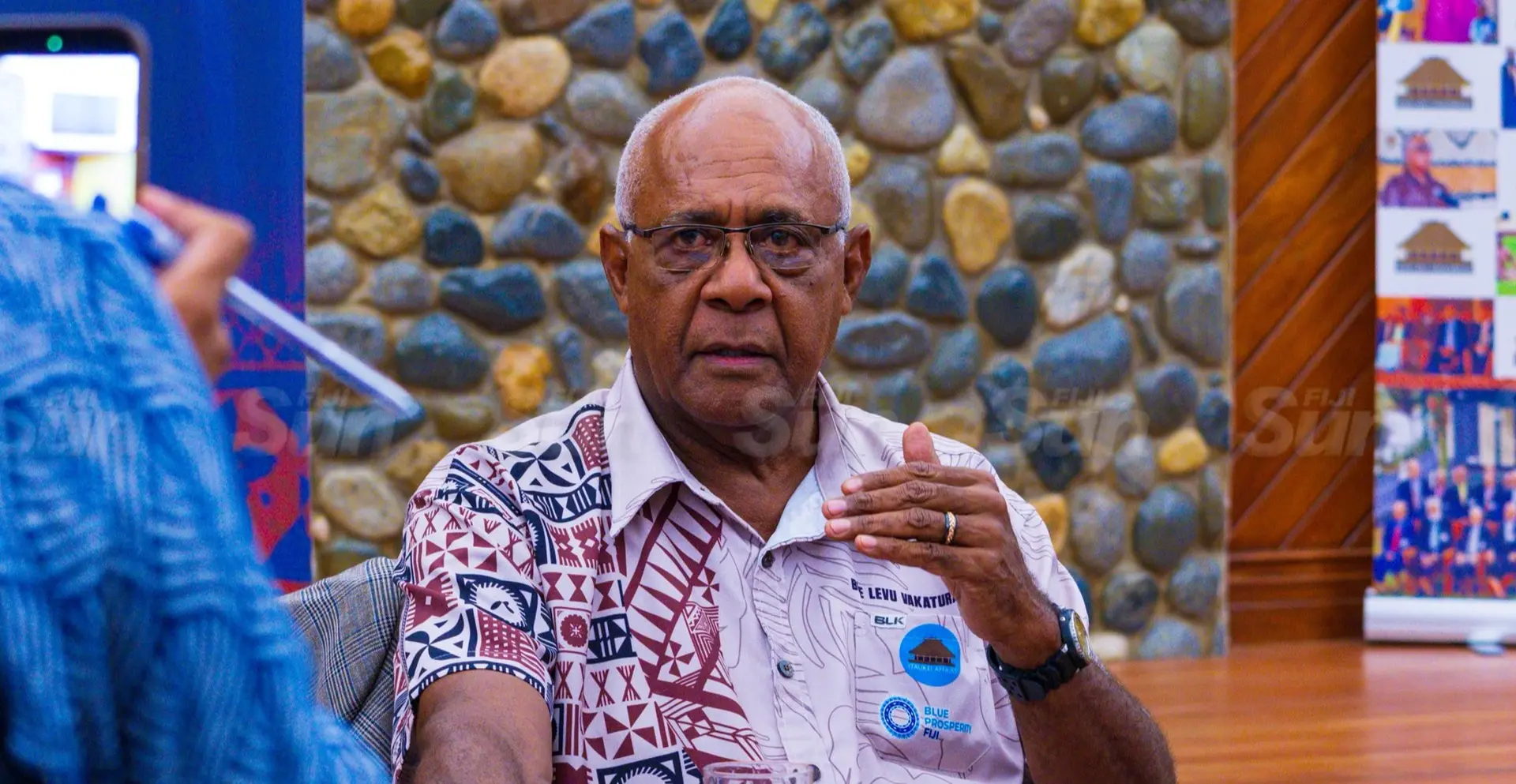
Opinion: The Bose Levu Vakaturaga, steward of the long view
The Bose Levu Vakaturaga can provide stability and moral guidance if allowed to evolve alongside modern democratic institutions.
Sunday 15 March 2026 | 07:00
Updated 15 March 2026 | 08:52 FJT
There is a conversation Fiji needs to have—not about whether traditional institutions should exist, but about how they can evolve to serve the nation they helped build.
Too often, when tensions arise between modern democratic structures and iTaukei governance, the response from some quarters follows a predictable pattern.
When Parliament falters, we speak of reform. When the judiciary disappoints, we discuss improvements. When a Minister fails, we call for better appointments.
Yet when traditional institutions experience friction, or when individual chiefs act in ways that trouble us - the instinct can sometimes be to question their very place in our constitutional order.
This asymmetry reveals something uncomfortable about how we sometimes view our own heritage. For more than a decade, the 2013 Constitution attempted to operate without the traditional conscience of the Vanua.
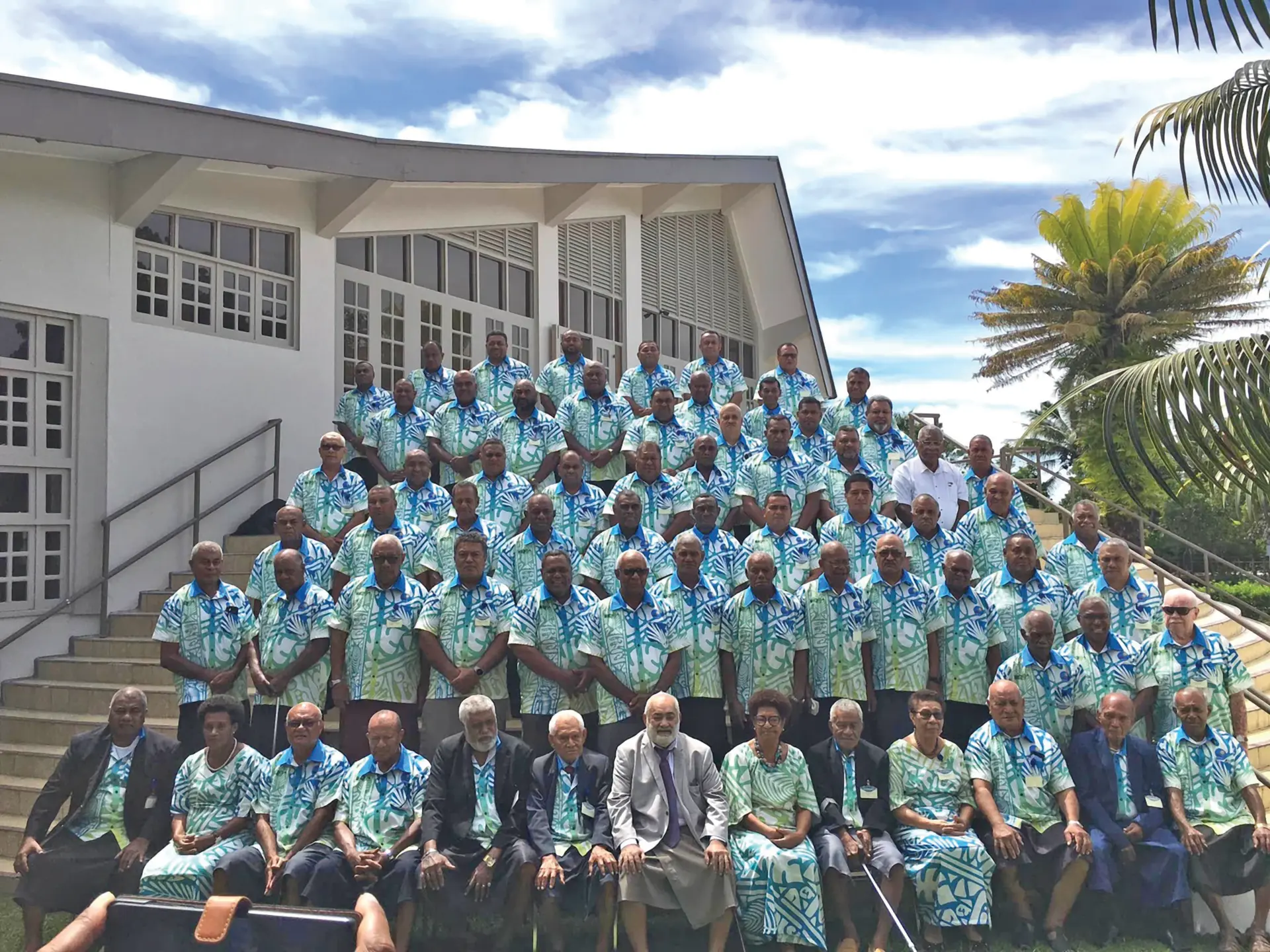
The Bose Levu Vakaturaga (BLV), an institution that for generations provided moral grounding, restorative wisdom, and a connection to values predating any written constitution, was removed from governance architecture.
The experiment was sold as modernity. The results have been, at best, mixed. We have witnessed the erosion of social cohesion, the weakening of communal bonds, and a governance culture increasingly detached from the deeper accountabilities that keep societies healthy.
Argument for balance
These developments cannot be blamed solely on the absence of the BLV, but neither can we pretend that removing a stabilising influence carries no consequences.
The argument for a revitalised Bose Levu Vakaturaga is not an argument for traditional supremacy over democratic processes. It is an argument for balance.
Modern democratic institutions are designed to process competing interests through elections, legislation, and litigation. They are essential. But they are also limited. They struggle to provide the depth of restorative justice that communities need when they fracture. They offer few mechanisms for the kind of communal responsibility, that holds societies together across generations.
They operate on electoral cycles, not intergenerational timeframes. These are precisely the gaps that traditional governance structures can fill, if we allow them to function properly.
None of this requires romanticising the past. The BLV has made serious errors, most painfully in lending its weight to unconstitutional seizures of power in 1987 and 2000.
Those wounds remain unhealed for many Fijians, and any honest discussion of the BLV, must acknowledge that history.
Accountability cannot be optional, even— especially—for institutions that claim traditional legitimacy. But accountability and institutional presence are not mutually exclusive.
When our courts face criticism, we seek to strengthen them. When our Parliament disappoints, we demand better from those who populate it. Indigenous institutions deserve no less, the expectation that they will learn from past failures and evolve to meet present challenges.
The current political moment has generated genuine anxiety. We see tensions between arms of government, questions about the exercise of presidential power, and concerns about where these developments might lead.
Those anxieties deserve to be taken seriously. They deserve answers.
Chiefly council
But we must be careful not to conflate the actions of individuals with the legitimacy of institutions. When a high chief acts in ways that trouble the nation, tradition provides mechanisms for response.
They are not always the mechanisms of social media posts or parliamentary motions. They include the patient, private processes of chiefly counsel, that have maintained equilibrium in these islands for centuries.
To those outside the Vanua, these processes can sometimes appear as silence. But silence is not absence, and patience is not complicity. The deeper question is whether we can hold two truths simultaneously: that iTaukei institutions must evolve to meet modern standards of accountability, and that they must remain genuinely iTaukei in their operation.
The answer must be yes, because the alternative is a constitution detached from the cultural foundations that give it meaning. An anchor does not propel the ship.
It holds it steady against currents that would otherwise drive it onto rocks. It does not determine the destination, but it ensures the vessel remains intact long enough to reach whatever destination is chosen.
For Fiji—a nation navigating between the pull of globalised modernity and the weight of ancient heritage—that anchoring function is not optional. It is essential.
Difficult questions
The work ahead is not to decide whether the Bose Levu Vakaturaga should have a place in our constitutional architecture, but how it can be supported to fulfil its proper role.
How can its membership reflect contemporary Fiji, while maintaining traditional legitimacy? How can its deliberations become more transparent without violating the confidentiality that enables honest counsel?
How can it hold individual chiefs accountable, while preserving the mana of the institution itself?
These are difficult questions.
They require patience, wisdom, and good faith from all sides. They require the iTaukei, to hold their own institutions to high standards while affirming their enduring value.
They require all citizens to extend the same grace to traditional structures that we extend to modern ones—the grace of believing that reform is possible, that evolution strengthens rather than diminishes.
Those who fear traditional structures encroaching on democratic space might consider a different framing: not competition, but complementarity. Not the supremacy of one system over another, but the hard, necessary work of making two systems function together in mutual respect.
That work will sometimes produce friction. It will sometimes frustrate those who prefer cleaner, simpler governance models. But Fiji was never a simple place, and its governance was never meant to be.
The Bose Levu Vakaturaga holds a rightful place in our constitutional order. The question is whether we have the wisdom to welcome its contributions, the patience to let it find its footing in contemporary circumstances, and the courage to hold it accountable when it falls short—not by sidelining it, but by helping it become what it is meant to be: a source of stability, wisdom, and moral grounding for all Fiji.
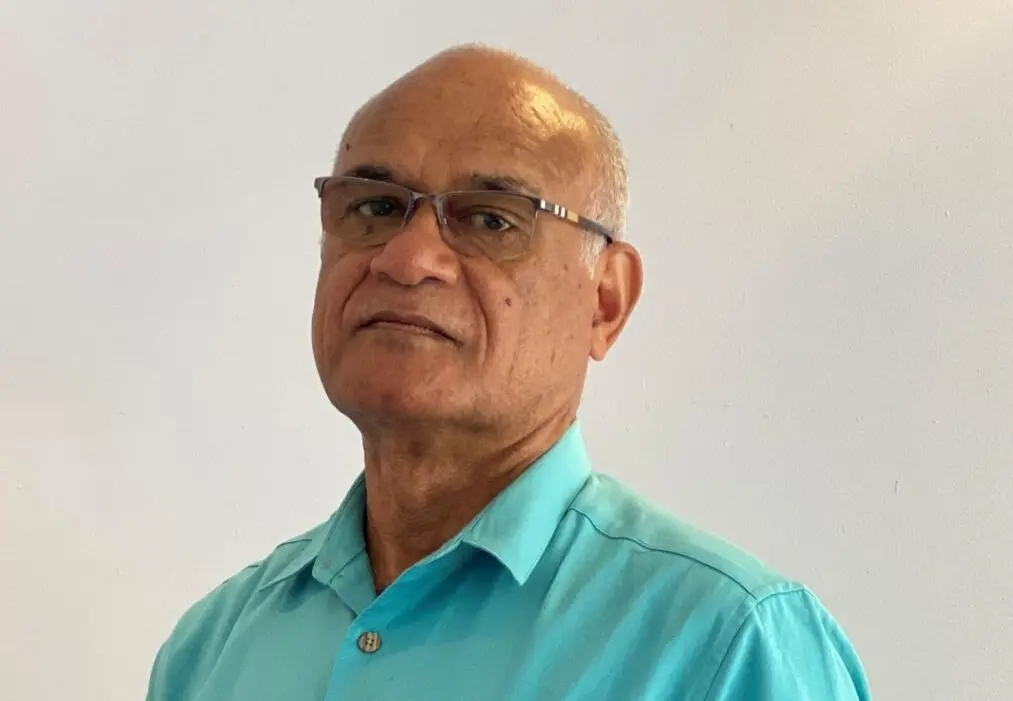
(Ro Naulu Mataitini is a concerned citizen and a member of the Bose Levu Vakaturaga and these are his personal views. The views expressed in the article are of the author alone and not of Fiji Sun and/or its employees.)