Editorial: Ratu Sukuna’s legacy raises questions about leadership today
Land remains one of Fiji's most sensitive and important issues. It continues to sit between tradition, development needs, and political debate. The balance he worked to create is still not fully resolved.
Thursday 28 May 2026 | 12:30

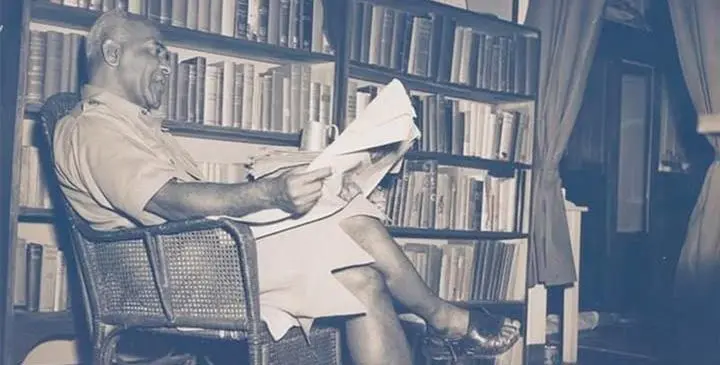
Ratu Sir Lala Sukuna in the library of Barron House. Photo: Fiji Museum
Leadership at the highest level in Fiji is under increasing public scrutiny.
Questions about how Government is being run, concerns over absenteeism in Parliament, and growing frustration over delivery have become more visible.
At the same time, the country continues to face pressure from the rising cost of living, land issues, fuel prices, and ongoing debates around leadership within the iTaukei community.
Related stories
Together, these issues point to a nation searching for steadier and more accountable leadership.
In this context, the legacy of Ratu Sir Lala Sukuna stands as a clear benchmark.
Ratu Sukuna's leadership was based on duty, not display. His education, military service, and legal training were not for personal status, but for public service.
This simple principle remains important today, when public trust depends on whether leaders are seen to be working for the country or for themselves.
A key lesson from Ratu Sukuna is discipline. Leadership in his time required presence, preparation, and responsibility.
Today, concerns about parliamentary absenteeism raise questions about commitment to public office.
When elected leaders are not consistently present, it weakens both governance and public confidence.
Rau Sukuna also understood the importance of land. His work helped shape systems that protected indigenous ownership while allowing development to take place.
Land remains one of Fiji's most sensitive and important issues. It continues to sit between tradition, development needs, and political debate. The balance he worked to create is still not fully resolved.
Another lesson is unity. Ratu Sukuna led during a time of change, but he focused on bringing people together rather than allowing division to grow.
Today, Fiji continues to face political differences, tensions within leadership structures, and wider questions of national unity. His approach was based on cooperation and shared responsibility.
Economic pressures also test leadership. The cost of living, fuel prices, and uneven development are affecting many households. Ratu Sukuna's time also had challenges, but leadership then was often marked by restraint and long-term thinking, rather than short-term response.
Above all, Ratu Sukuna's leadership was built on credibility. It came from conduct, consistency, and service. He did not rely on noise or political performance, but on action and responsibility. That is why his name still carries weight today.
The key question is whether Fiji's current leadership still measures itself against that standard, or whether that standard has been allowed to fade.