Children as young as eight losing childhood to addiction: Kiran
She said children aged 10 to 14 were increasingly “becoming trapped in the cycle of addiction,” driven largely by methamphetamine trafficked through Fiji.
Thursday 20 August 2026 | 10:30

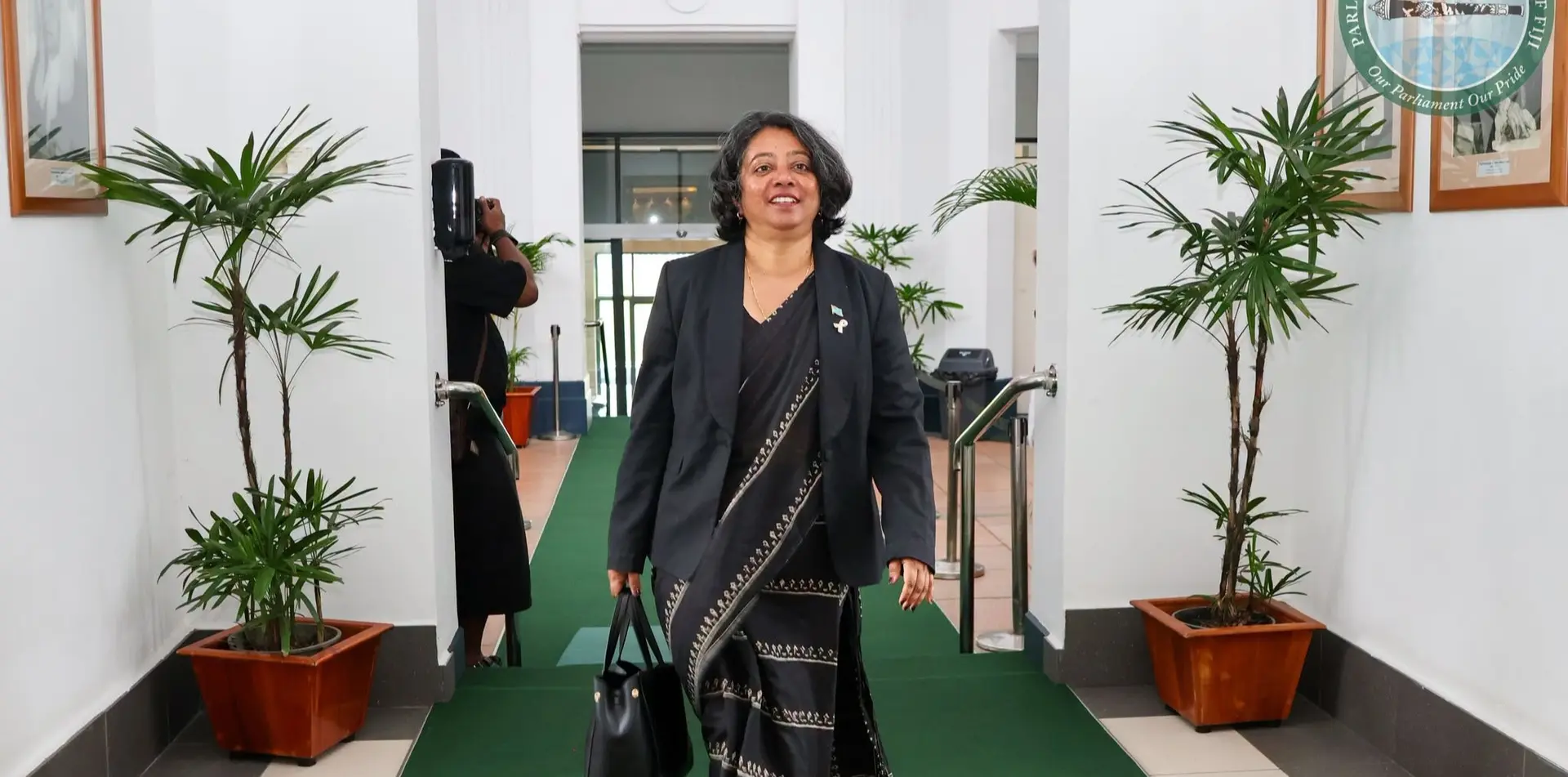
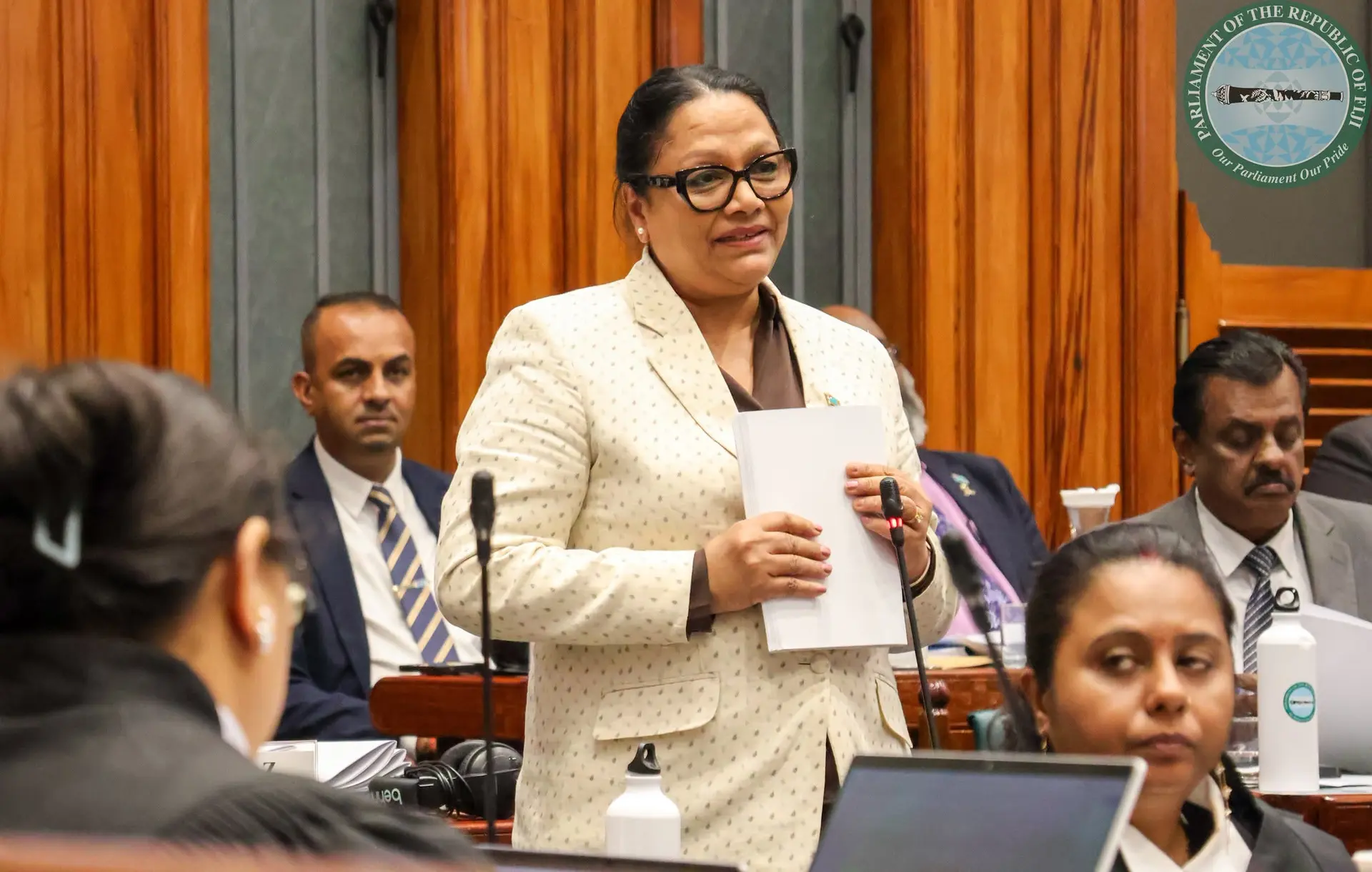
Minister for Women, Children and Social Protection Sashi Kiran in parliament.
Parliament of Fiji
Children as young as eight years old are losing their childhood to addiction.
This was revealed by Minister for Women, Children and Social Protection Sashi Kiran during her ministerial statement in Parliament yesterday.
She also announced Fiji’s first residential drug recovery facility for adolescent boys in Lautoka – Na Sala Vou – which caters for boys aged 14 to 17 and was established in partnership with Empower Pacific.
“This sanctuary in Lautoka provides a safe and structured environment where young men can heal, learn and rebuild their lives,” Ms Kiran said.
She said children aged 10 to 14 were increasingly “becoming trapped in the cycle of addiction,” driven largely by methamphetamine trafficked through Fiji.
Police records trace the influx of hard drugs to before 2009. In 2020 alone, Fiji recorded 1,501 illicit substance cases, including 100 involving methamphetamine.
Ms Kiran said a new rehabilitation facility for street-connected children was also being established in Suva, alongside the existing Kauwai Restoration Youth Centre run by the Salvation Army.
‘Streets safer than home’
She said many children felt safer on the streets than at home.
“It is a tragedy that a child can feel safer and more loved on our streets while exposed to violence, exploitation, HIV, drugs,” she said.
A 24-hour toll-free helpline, 5626, is now available for affected families.
Responding, Opposition MP Virendra Lal welcomed the new facility but pressed the Government to address the root causes.
“Why are so many of our young people reaching the point where rehabilitation is required in the first place?” Mr Lal asked.
He said families in the Western, Northern and Maritime Divisions needed clarity on how they would access help.
“Government must have a strong prevention strategies that reaches our schools, homes, settlements, villages and communities,” Mr Lal said.