Rethinking Tradition In Times Of Economic Strain: A Fijian Perspective
Some view the Bose Levu Vakaturaga as resistant to change. But this quiet shift sends a powerful message: adaptation is not weakness. It is leadership.
Sunday 12 April 2026 | 12:00
As families across Fiji brace for rising living costs, economist Mereseini Waibuta’s advice to postpone weddings and large celebrations; as reported by FBC News, strikes an important chord.
Beneath this practical counsel lies a deeper, more delicate conversation—one that touches the heart of Fijian identity: the need to re-examine costly customary obligations that have long defined our social fabric.
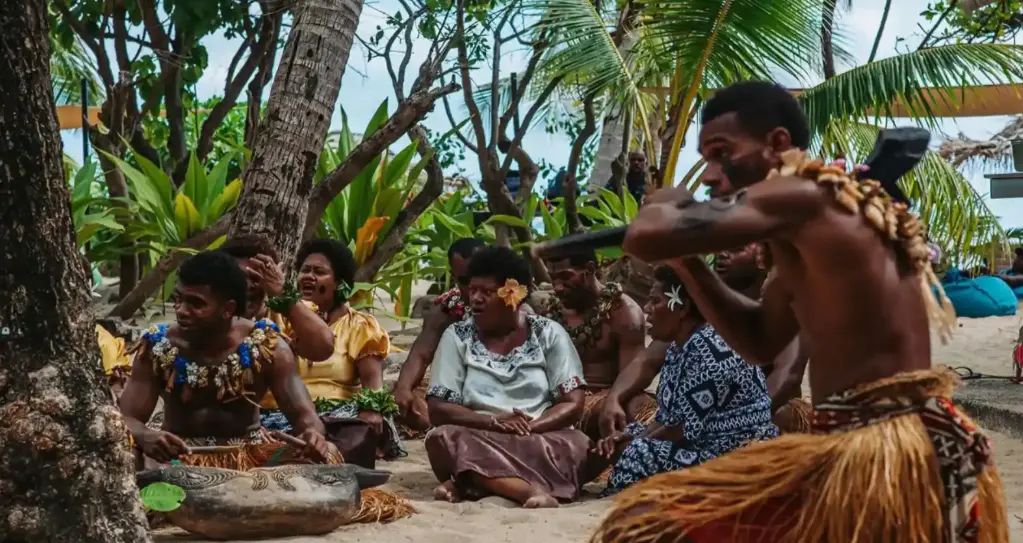
The traditional ceremonies that bind us—the solemn reguregu following a loss, the elaborate funeral rites spanning four, ten, and one hundred days, the presentation of burua and the shared repast—were never merely expenses. They are acts of love, respect, and solidarity. But these same customs, in modern expression, have become financially devastating for many. A single funeral cycle can now cost a family thousands of dollars—money that might otherwise feed children for months or pay school fees. This is not a sustainable burden.
Related stories
What is quietly notable is that the more affluent amongst us, have already begun modifying these traditions: shortened reguregu periods, combining the repast with burua, and de-emphasising the extended post-funeral cycle. If those with means are leading this shift, it signals wisdom—an acknowledgment that cultural practices must breathe and adapt to survive. They have understood that true honour lies not in the scale of the feast but in the sincerity of the gathering.
The Bose Levu Vakaturaga (BLV) itself is of the view that we must adapt. Quietly, thoughtfully, the BLV has recognised that custodianship does not mean immobility. From a position of cultural authority, the BLV believes in streamlined ceremonies—shorter reguregu, consolidated observances, reduced expectations around feasting and gift-giving. This is not a future hope; it is a present stance. The BLV understands that if tradition becomes a financial noose, families will eventually abandon it entirely out of necessity. Better to reshape it now with dignity than to lose it later altogether.
Some view the BLV as resistant to change. But this quiet shift sends a powerful message: adaptation is not weakness. It is leadership. By acknowledging that economic reality must shape cultural expression, the BLV demonstrates that tradition lives not in rigid repetition but in wise evolution. And this evolution does not require permission from anyone—it simply requires the courage to say that love and respect are measured in care, not in currency. This is not cultural erosion. This is cultural resilience.
The COVID-19 pandemic proved that Fijian tradition could bend without breaking. Families held scaled-back ceremonies and discovered that love and respect did not diminish with fewer feast days. Neighbours still came. Prayers were still offered. The deceased were still honoured.
The shame once associated with “insufficient” mourning has given way to a sustainable understanding: honouring the departed need not impoverish the living. In fact, many families reported that smaller, more intimate gatherings allowed for deeper connection and genuine grief, rather than the exhausting performance of lavish hospitality.
Vani Catanasiga’s call for backyard gardening and Waibuta’s emphasis on budgeting are essential short-term measures. But the longer view requires courage—the courage to ask whether a bogi tini ceremony serves the deceased or merely satisfies community expectation. Whether the vaka bogi va rituals could be integrated into the vaka bogi drau observance. Whether the resources spent on multiple gatherings might be redirected toward education, health, or savings that truly honour a loved one’s legacy. These are not disrespectful questions. They are faithful questions—asked by people who want tradition to endure, not crumble under its own weight.
Some will argue that modifying custom disrespects ancestors. But our ancestors lived in a world of adaptation. The traditions we revere today are products of centuries of negotiation between belief, resource availability, and practical necessity. They did not have supermarkets, imported goods, or cash economies. They gave what they had—and what they had was often modest. To freeze their practices in an idealised past is to deny them the very vitality our forebears cultivated. They would expect us to be as wise for our time as they were for theirs.
The rising cost of living is the new normal. Global fuel prices, supply chain disruptions, and climate pressures on local agriculture are not going to reverse next year. Families who delay difficult conversations about customary spending will find themselves trapped between devotion and destitution. And when destitution arrives, devotion often fractures under the weight of unpaid bills and hungry children.
What is needed now is not abandonment of tradition but its thoughtful reformation. The Bose Levu Vakaturaga—from its place of cultural authority—advocates for streamlined ceremonies that protect both dignity and livelihoods. That is something every Fijian, of every background, can respect. When we see our chiefs and elders leading this conversation, it gives all of us permission to follow.
The affluent amongst us began this work quietly. Now the BLV has given it voice. Together, we may discover that our traditions, like our families, are strongest not when they are rigid but when they are wise enough to bend before the wind. Let us bend with purpose, not with shame. Let us honour our past by securing our future.