Growing geopolitical rivalry threatens Pacific-led governance, says Taylor
Former Forum secretary-general warns against growing dependence on external powers.
Monday 08 June 2026 | 16:00

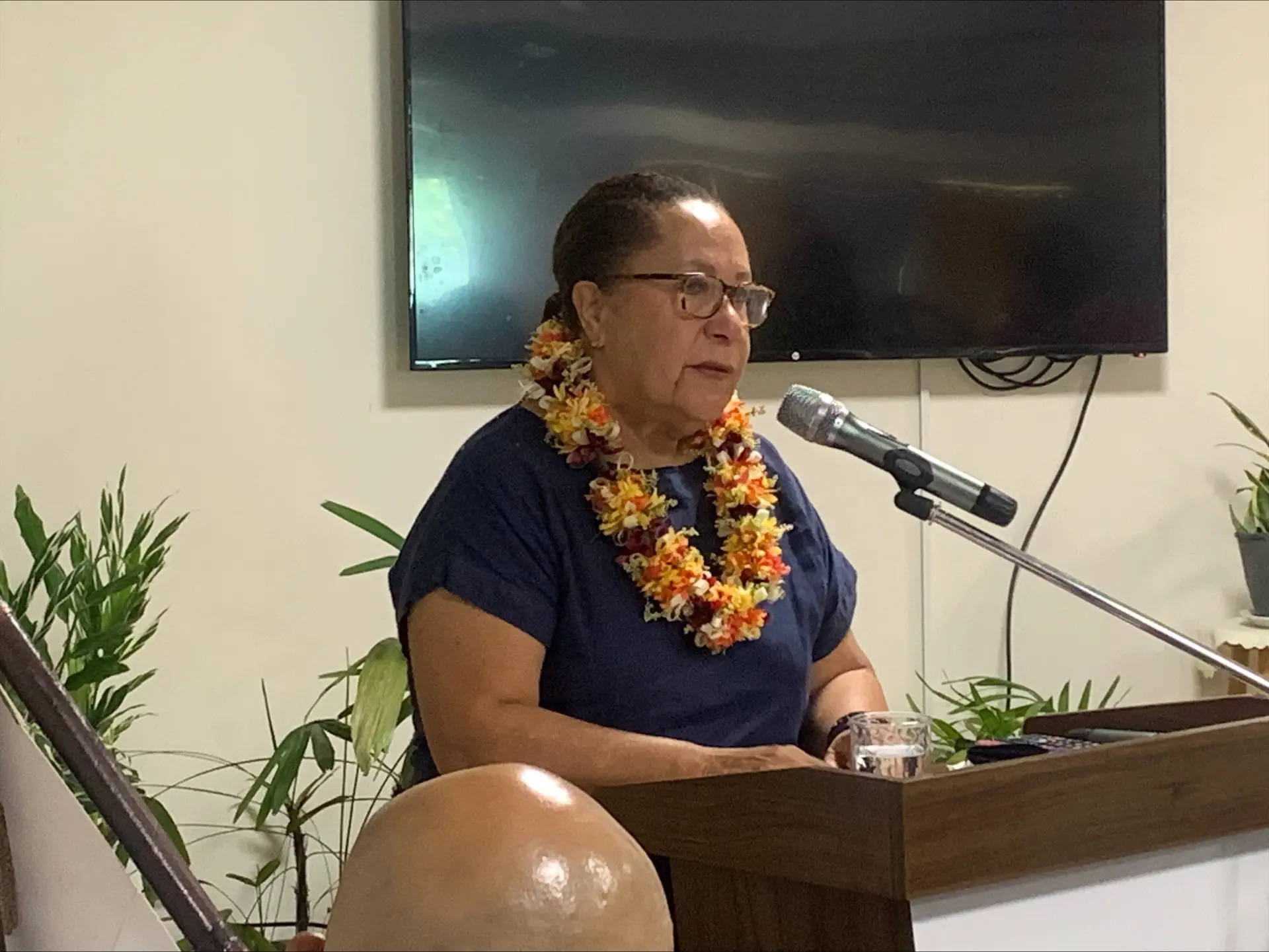
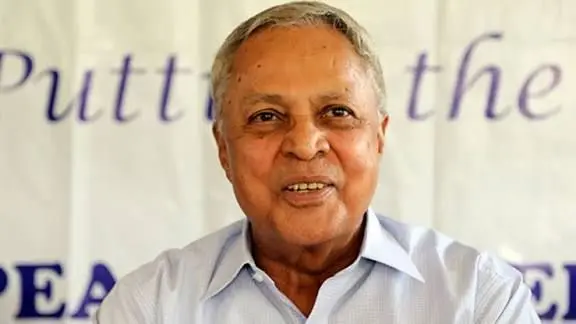
Former Pacific Islands Forum secretary-general Dame Meg Taylor has warned that growing geopolitical rivalry and dependence on foreign funding could undermine Pacific-led governance and decision-making.
Speaking on World Ocean Day, she called for greater economic independence and stronger support for Pacific-owned institutions and initiatives.
Ms Taylor warned Pacific nations that they must strengthen economic independence and protect Pacific-led governance of the ocean as global powers intensify strategic competition across the region.
Related stories
Delivering a keynote address on World Ocean Day, the Papua New Guinean diplomat said the Pacific's greatest challenge was ensuring regional institutions remained guided by Pacific priorities rather than external interests.
"The question of whose priorities shape the agenda is one we must always keep asking," Ms Taylor told Pacific civil society leaders, pointing to increasing militarisation, expanding foreign military infrastructure and growing geopolitical rivalry among major powers.
Ms Taylor said Pacific nations had built one of the world's most sophisticated ocean governance systems through decades of collective action, including their role in shaping the United Nations Convention on the Law of the Sea (UNCLOS), establishing 200-nautical-mile Exclusive Economic Zones, creating the Treaty of Rarotonga nuclear-free zone and managing the region's globally significant tuna fisheries.
She highlighted the Parties to the Nauru Agreement as a leading example of Pacific-owned governance, describing it as a model built on trust, legal innovation and collective discipline among member states.
However, she warned that reliance on foreign funding continued to create vulnerabilities for regional institutions.
"When institutions depend on external resources, questions of ownership, direction and accountability inevitably follow," she said.
Ms Taylor said economic independence remained the region's most important structural challenge and called for greater support for Pacific-owned initiatives such as the Pacific Resilience Facility, signed by Forum leaders in Honiara in 2025.
Despite these challenges, she said the Pacific had repeatedly demonstrated its ability to influence international law and global policy.
Ms Taylor cited Pacific leadership in securing the 1.5-degree temperature goal in the Paris Climate Agreement, the adoption of the Blue Pacific Continent strategy and Vanuatu's successful campaign for an advisory opinion from the International Court of Justice (ICJ) on climate change obligations.
She also welcomed a recent United Nations General Assembly resolution, backed by 144 countries, calling on states to fulfil their obligations following the ICJ opinion.
"This is the Pacific, through sustained diplomacy, through law, through collective effort, requiring the world to answer for its obligations to our ocean, our communities and our future," she said.
Reflecting on the region's history, Ms Taylor said Pacific peoples had transformed institutions originally created during the colonial era into mechanisms that now served Pacific interests and values.
She urged governments, regional organisations and civil society to remain united in defending the vision set out in the 2050 Strategy for the Blue Pacific Continent.
"The ocean has always been our highway, our home, our identity," Ms Taylor said. "Let us govern it as ours."