Auvray: U17 losses expose Fiji’s gap
Auvray said the gap was evident in the players’ match exposure, with opponents developing from the age of four or five and playing 30 to 40 high-level matches during a 10-month season.
Thursday 26 November 2026 | 12:00

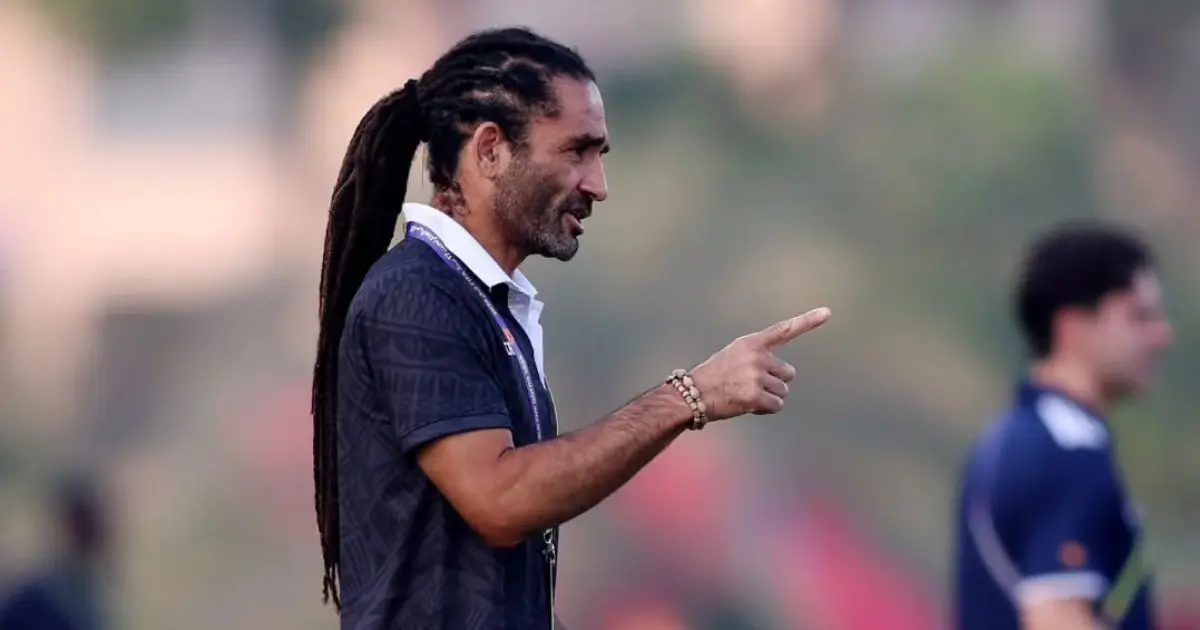
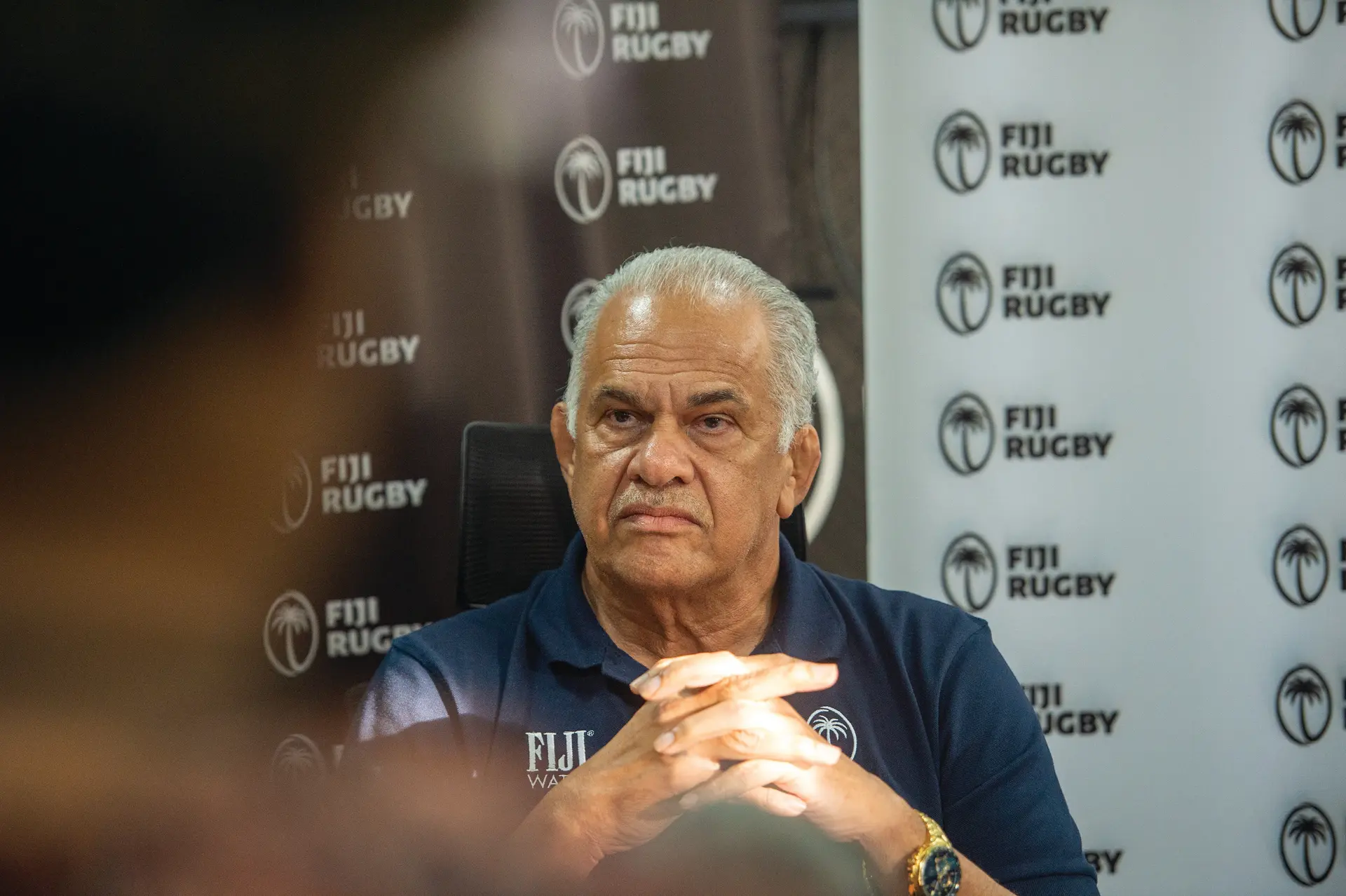
Fiji national football head coach Stephane Auvray
Photo: Fiji FA Media
Fiji’s heavy defeats at the FIFA Under-17 World Cup have exposed the gap in youth development and match exposure, with coach Stephane Auvray calling for a long-term pathway to help players compete at international level.
The U17 team will face China in their last group match today.
Auvray told SUNsports yesterday that the results reflected the gulf in preparation and playing experience.
“We played the African champions and world under-17 champions. Those players play in the best teams in the world, and many of them are already professional players,” he said.
“There is a logic in those results, and it would be bad faith on our part not to acknowledge that.”
Auvray said the gap was evident in the players’ match exposure, with opponents developing from the age of four or five and playing 30 to 40 high-level matches during a 10-month season.
In contrast, more than half of Fiji’s players had played between zero and 10 matches since January 1, 2026, with none at a high level, he said.
“Only Maikah Dau played high-level matches in the pro league, and it showed.”
He also pointed to the physical demands of modern football and Fiji’s athletic disadvantage, saying many of the country’s top athletes gravitated towards rugby.
Auvray said Fiji was not alone in facing the challenge, citing New Caledonia’s 16-0 defeat last year and New Zealand’s struggles at the tournament.
He joined the U17 team a week before its departure to Doha following the head coach’s resignation and was not involved in the two-month preparation camp.
After three matches before the World Cup, he said he assessed the gap between Fiji’s players and the international level.
Auvray said the Fiji Football Association (Fiji FA) was working to address the gap through the Talent Development Scheme (TDS), the OFC Pro League pathway and a new high-performance centre.
He said youth football should focus on development rather than scorelines, with a structured programme starting at five or six years old and providing a clear 12-year pathway.
“It is a 10-year plan and it takes time,” he said.
“As the men’s national team and Bula FC head coach, I could watch and wait, or help. I chose the second option knowing that until then it would be a rough path.”
Auvray said international tournaments provided a reality check, while a clear youth development plan would help supporters understand the direction of Fiji football.
“Defining and sharing a clear and concrete youth development plan would help them to better support us and also keep us accountable,” he added.