Historic Camakau race revives Lauan heritage after 20 years
Villages across Fulaga unite in speed, skill and culture as handcrafted canoes take centre stage at Muanaira Village.
Friday 02 January 2026 | 12:00
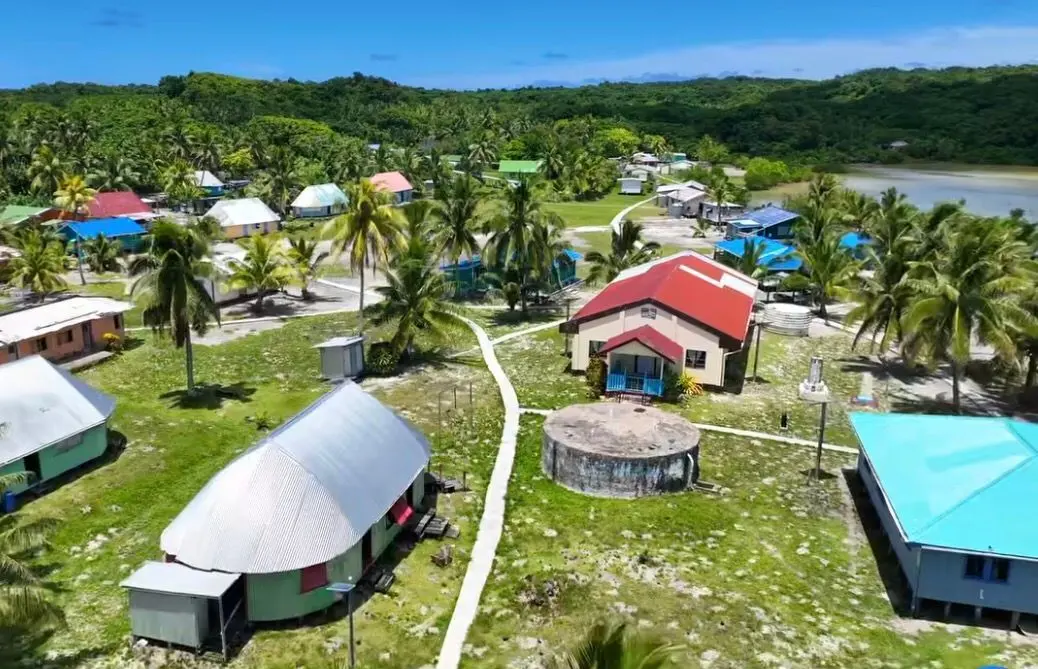
The calm waters of Vulaga in Lau will erupt with speed, skill and tradition today as villages across the district line up for the return of the historic Camakau Race after 20 years.
More than a competition, the race has revived the ancient art of canoe building, with each village confident their camakau, crafted from carefully chosen forest trees, will outrun the rest.
Muanaira Village is hosting the long-awaited event, drawing competitors, elders and families together in a powerful display of culture and rivalry.
Related stories
For Kitione Caji Tuiyawa from Ogea in Lau, the canoe was built through unity.
“When we went to cut the wood, the whole village went together,” he said.
“In one day, we cut the tree, shaped the canoe and brought it back. That is our way.”
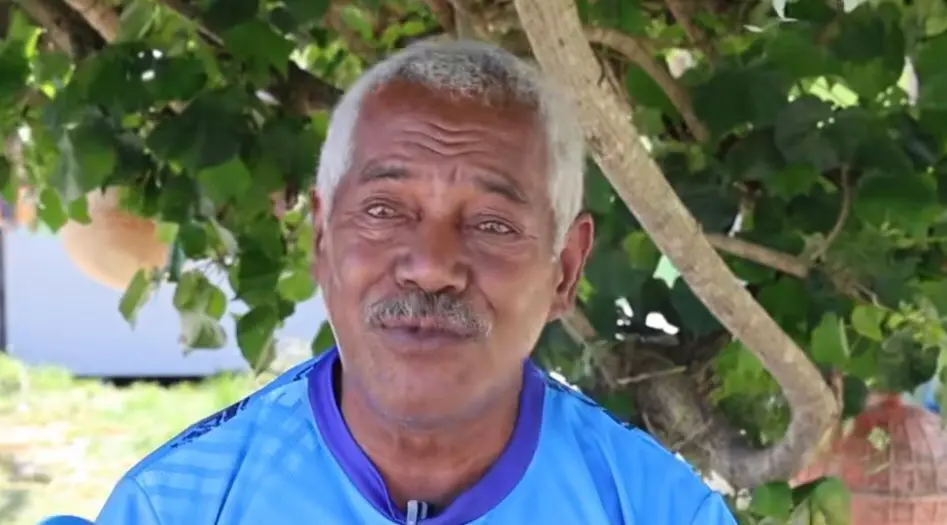
Kitione Caji Tuiyawa from Ogea in Lau.
Photo: DEPTFO News
Ledua Finau said his village selected makota wood because of its speed and practicality.
“This tree is light, fast and easy to carve,” he said. “Once the message came that the race was confirmed, we chose makota because it allowed us to prepare quickly and be ready for race day.”
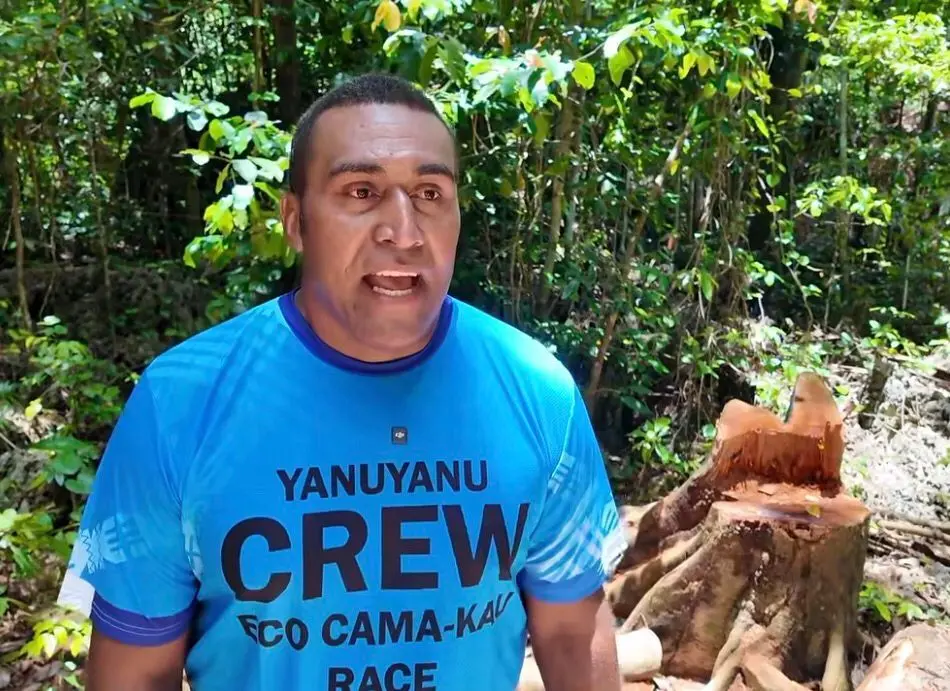
Ledua Finau from Ogea Village, Lau.
Photo: DEPTFO News
Jimione Ledua from Naividamu Village in Fulaga said their choice was guided by elders and tradition.
“The elders told us the makota tree had already fallen due to strong winds,” he said.
“They believed it would float well and suit the waters where the race will be held.”
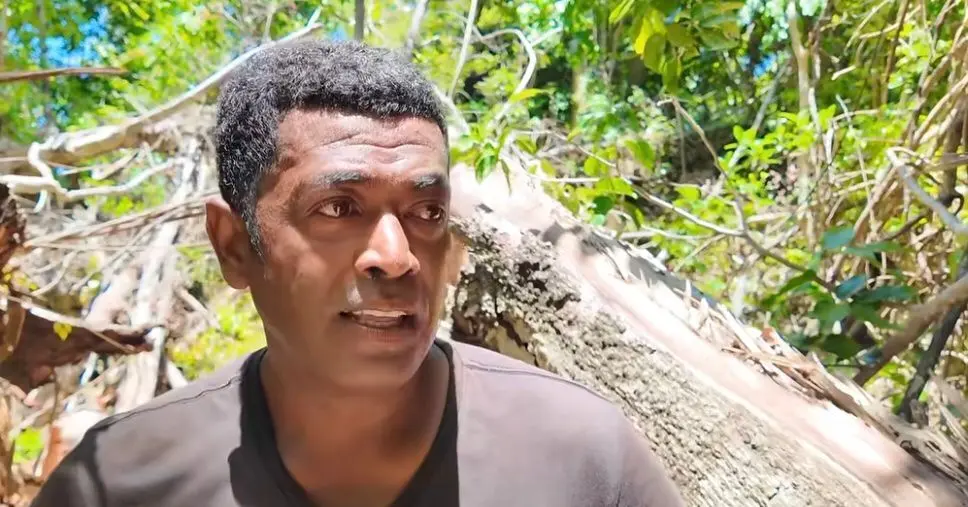
Jimione Ledua from Naividamu Village in Fulaga, Lau.
Photo: DEPTFO News
He said four canoes raced on Christmas Day as part of final preparations.
“We are confident no other canoe in Fulaga will beat ours,” he said. “Our plan is to win and take the main prize.”
Epeli Moto from Muanaicake Village said the race was also about teaching the next generation.
“I invite those living overseas and in Viti Levu to come home and learn how to build a camakau,” he said.
“Our elders are fully supporting us.”
Muanaira Village’s Semi Vanua said their selavu canoe was completed in just three weeks.
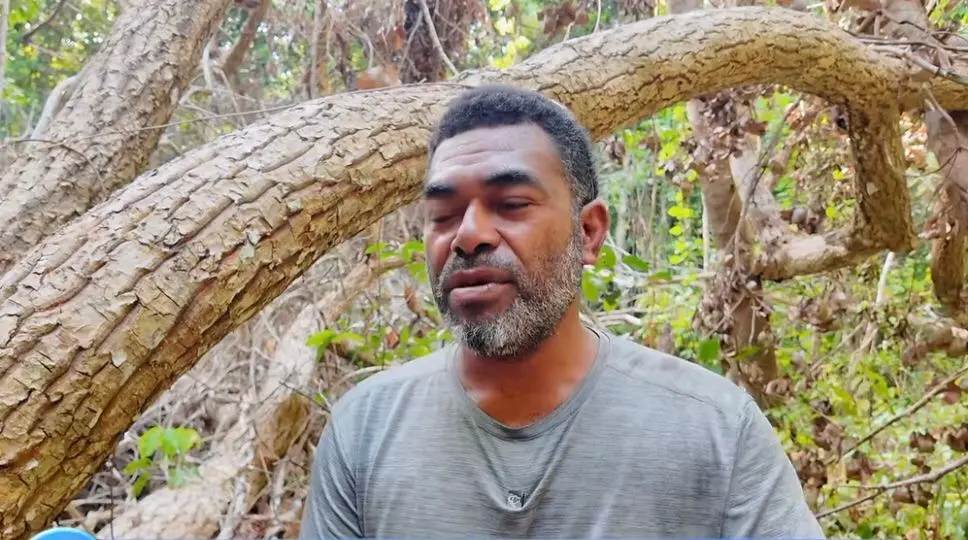
Epeli Moto from Muanaicake Village
Fiji Government
“There is a saying from our elders,” he said. “The canoe is never slow. Only the person steering it is.”
Supported by the coalition Government through the Ministry of iTaukei Affairs, the race marks a proud cultural revival, one where speed, skill and tradition will decide who claims victory.