Ratu Sukuna celebrations revive iTaukei identity, cultural roots
The emotional preparation became even more meaningful for Her Grandmother who realised it was the boy’s first participation in a meke ceremony.
Friday 29 May 2026 | 05:30

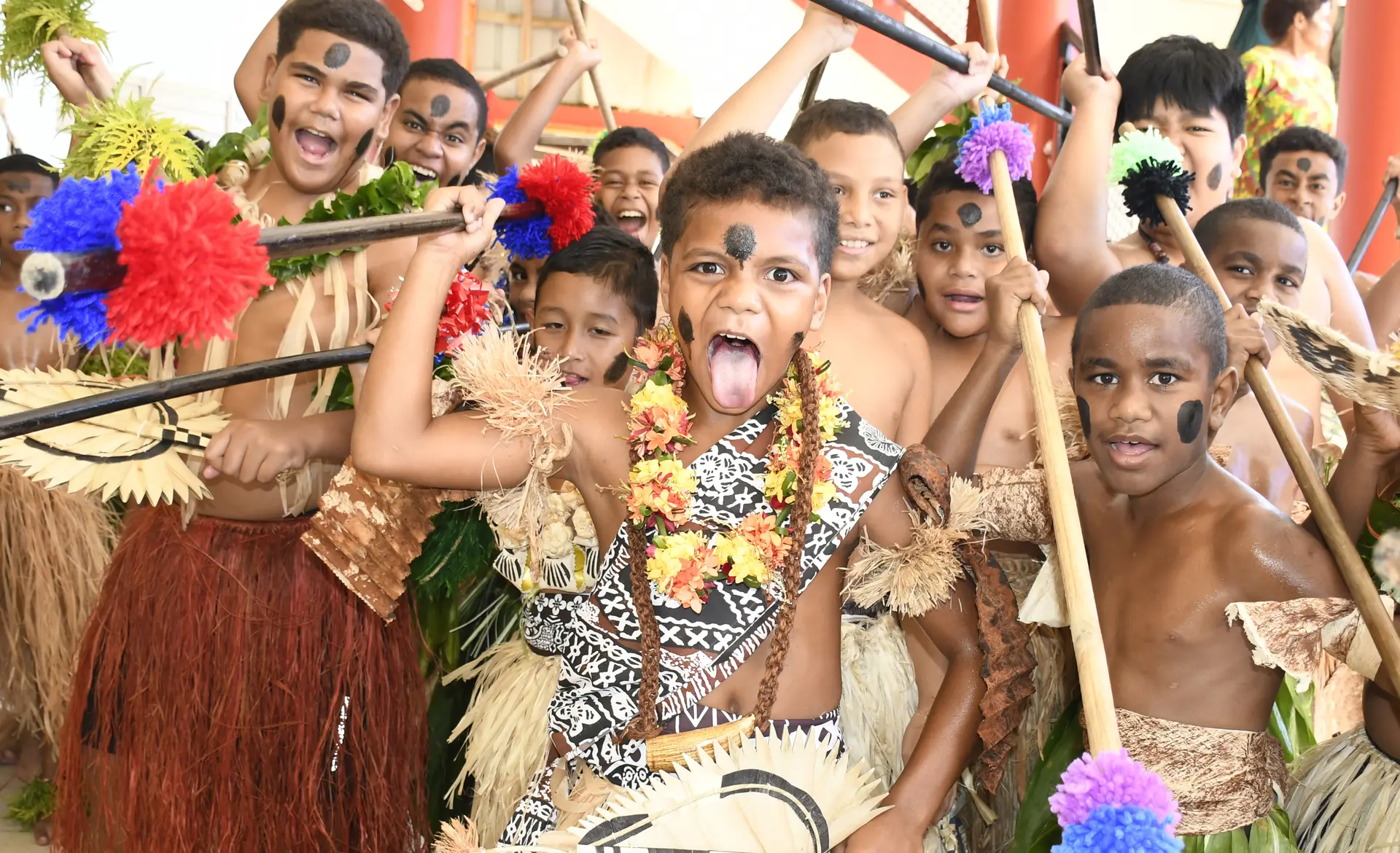
Yat Sen Primary School Year 5 student Ratu Waisiki Matavesi (front, centre) during his first meke with fellow students at a special Ratu Sir Lala Sukuna Day celebration performance at the school on May 28, 2026.
Photo: Ronald Kumar
The revival of Ratu Sukuna Day is helping reconnect iTaukei children with their identity, culture and chiefly heritage, families say, as traditional ceremonies and dress took centre stage during celebrations this week.
For Ratu Waisiki Matavesi, originally from Nasau Village in Lomaiviti with maternal links to Bau, the occasion carried a personal meaning as the young chiefly descendant took part in a traditional meke (dance) for the first time at Yat Sen Primary School in Suva yesterday.
His family spent the night preparing his chiefly attire, dressing him in wabale — a special material reserved for chiefs in Nasau — instead of ordinary masi to reflect his status and lineage.
Related stories
“We wanted him to know this is who we are, this is our identity and our status,” a family guardian said.
The family explained that the rocky ground where the ceremony was held symbolised chiefly significance, while the use of masi and traditional adornments reflected ancestral customs once worn by chiefs and national leader Ratu Sir Lala Sukuna.
“It was itchy for him at first,” the grandmother said.
“But we explained that this is how our ancestors dressed and that only chiefs wear this.”
The preparation became even more meaningful for the family when they realised it was the boy’s first participation in a meke ceremony.
“We feel proud and humbled because we did our best to dress him properly,” Ratu Waisiki’s mother said.
His grandmother said the family quickly organised traditional items, including a tabua, after learning the significance of the occasion.
The family believes celebrations such as Ratu Sukuna Day are vital in preserving iTaukei identity and teaching younger generations about their roots.
“We are iTaukei. We have our way of living. Our children need to know this is us, our traditions, our forefathers,” one elder said.
They also welcomed the return of the public holiday after it was removed last year and reinstated this year, saying the commemoration honours Ratu Sukuna’s legacy in protecting iTaukei land, culture and traditions.
“Land, culture, everything for us as iTaukei — that is what Ratu Sukuna protected,” the elder said.
The family said schools across Fiji should continue promoting cultural education through such celebrations so children could better understand their heritage from a young age.
“It’s in their blood. You can’t take it away from them,” the elder added.
For the young participant, the celebration was especially personal because of his ties to Bau, where relatives have shown him historical sites connected to Ratu Sukuna’s birth and funeral traditions.
“When he learns that Ratu Sukuna is from Bau, he becomes really proud of that,” a relative said.
Families say the renewed observance of Ratu Sukuna Day is more than a public holiday — it is a living lesson in identity, belonging and the preservation of iTaukei culture for future generations.