Remains of Rewan chief to finally be brought home after 183 years
Ro Veidovi was accused by American merchants of masterminding the 1834 murder of a group of American sailors who were trading for beche-de-mer (sea cucumbers).
Thursday 11 December 2025 | 09:00
Updated 11 December 2025 | 15:13 FJT
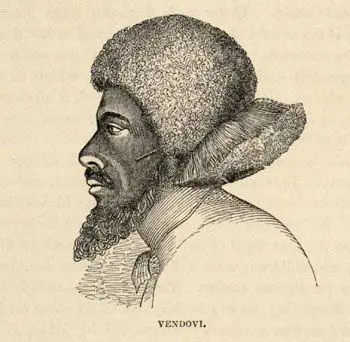
Drawing of Ro Veidovi by U.S. Exploring Expedition artist Alfred T. Agate| Courtesy American Historical Society.
The remains of Rewan chief, Ro Veidovi will return this Saturday following the conclusion of repatriation talks between the Fijian and United States of America governments.
The remains will arrive at Nadi International Airport from the United States before being transferred to Nausori Airport and then to the home of the Roko Tui Dreketi at Lomanikoro Village, Rewa.
Traditional protocols will take place at the chiefly meeting house, Burenivudi before burial at the Na Sautabu e Narusa.
Related stories
The family of Ro Veidovi agreed to the repatriation, marking the end of a 183-year journey since the chief’s death in 1842. Preparations are already at Lomanikoro village in anticipation of the historic homecoming.
Ro Veidovi who is also widely known in history books as an influential Rewan chief, was a key figure during a period of conflict between Rewa and American interests in the 19th century.
Following his capture, he later died in the U.S, and his remains remained overseas for more than a century.
In a final indignity by contemporary scientific standards, his body was dissected; his head was preserved as a scientific specimen and sent to the Smithsonian Institution, where it was tagged and kept in a restricted area.
More details about the ceremony and traditional protocols are expected to be announced today.
Facts
Ro Veidovi was a 19th-century Fijian high chief from Rewa who was taken to the United States as a prisoner in 1840. He died shortly after arriving in New York in 1842, and his story is a notable historical link between Fiji and the U.S.
Story in the United States
Ro Veidovi (also known as Vendovi) was accused by American merchants of masterminding the 1834 murder of a group of American sailors who were trading for beche-de-mer (sea cucumbers) in Fiji. In 1840, the United States Exploring Expedition, commanded by Lt. Charles Wilkes, apprehended the chief and took him aboard their ship, the USS Vincennes, to the U.S. for trial.
Death and Burial: He never made it to trial, falling ill and dying in the New York Naval Hospital shortly after the expedition's return to New York Harbor in June 1842. His body was buried in a naval graveyard in Brooklyn, New York.
Skull at the Smithsonian: In a practice common at the time, the expedition's surgeons removed his head for "scientific" study. His skull, tagged as "Specimen 292," became part of the founding collection of the Smithsonian Institution in Washington, D.C., where it remains in a restricted area.
Legacy: Vendovi Island, one of the San Juan Islands in Washington State, was named by Wilkes in his honor, a name that survives to this day.
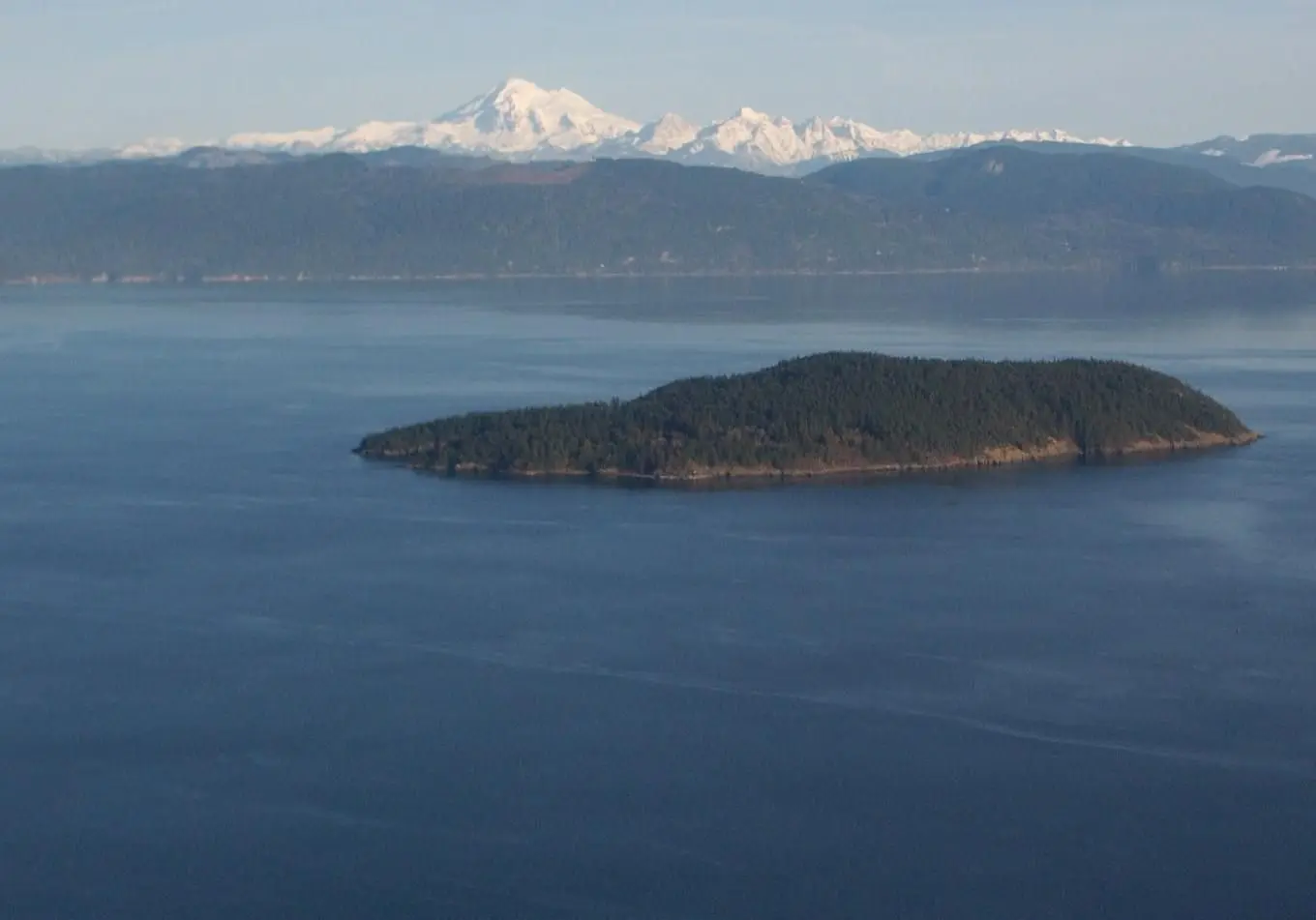
Aerial view of Vendovi Island from the west | Staff Archive
San Juan Preservation Trust
Modern Connections
The story of Ro Veidovi continues to connect the two nations, with his descendants and the Fijian government making efforts to negotiate the return of his skull for a proper burial in Fiji. His life and the fate of his remains highlight broader themes of 19th-century American expansion and cultural collision in the Pacific.
Feedback: lusiana.tuimaisala@fijisun.com.fj