Delayed wave of HIV cases emerges Post‑COVID
Health experts warn years of disrupted testing and prevention are driving a growing HIV crisis
Wednesday 15 April 2026 | 10:00
Updated 15 April 2026 | 12:46 FJT

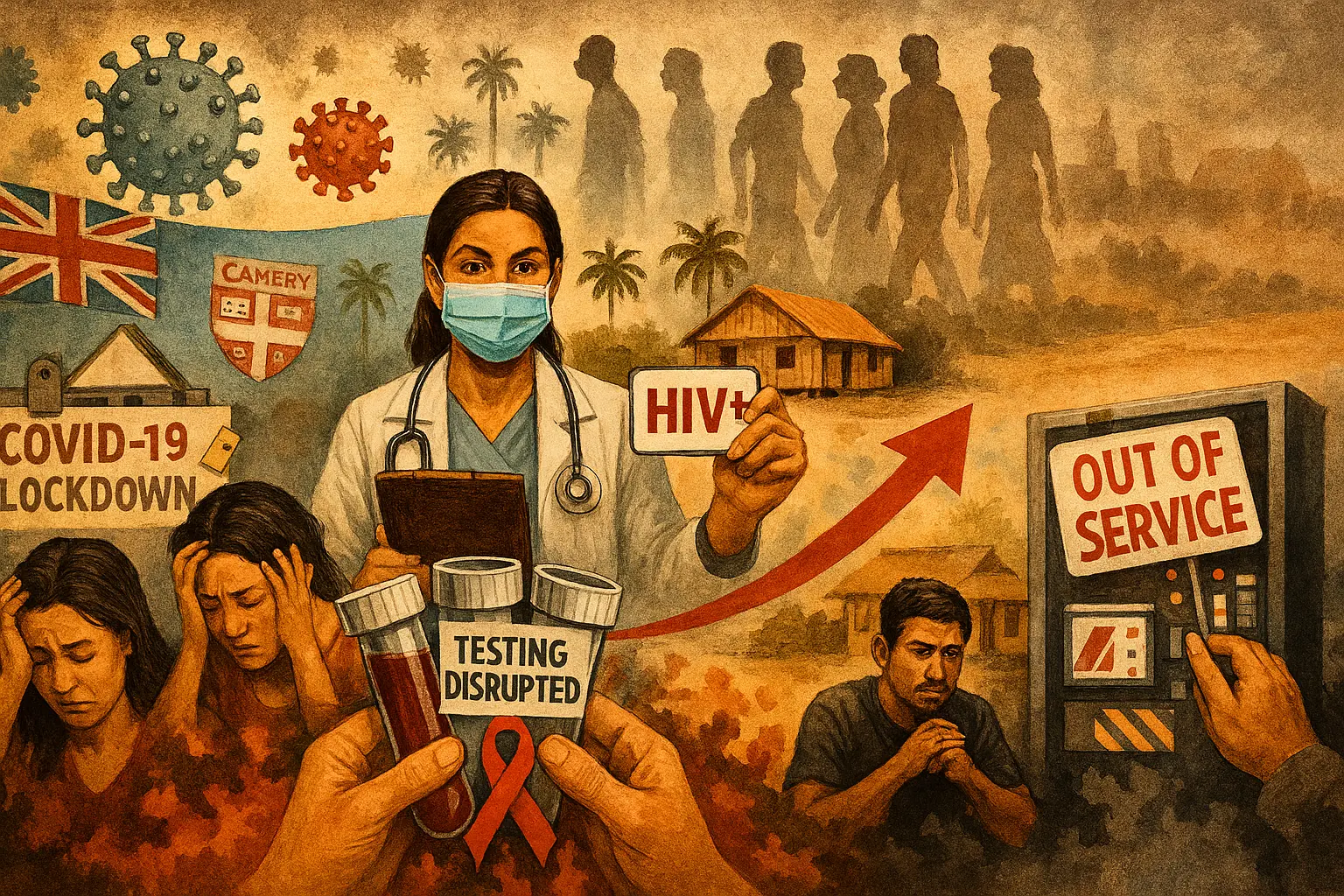
Fiji is facing one of the fastest-growing HIV epidemics in the region, with new data showing a sharp rise in infections that health experts link to disruptions during the COVID-19 pandemic.
Health authorities recorded 1,583 new HIV cases in 2024, the highest annual total on record. The number increased further to 2,003 cases in 2025.
More than 1,200 infections were reported in the first half of 2025 alone, signalling a rapidly escalating public health concern.
Related stories
Development partners and health advocates say the increase reflects the impact of COVID-19, when testing, prevention and treatment services were scaled back as resources were diverted to the pandemic response.
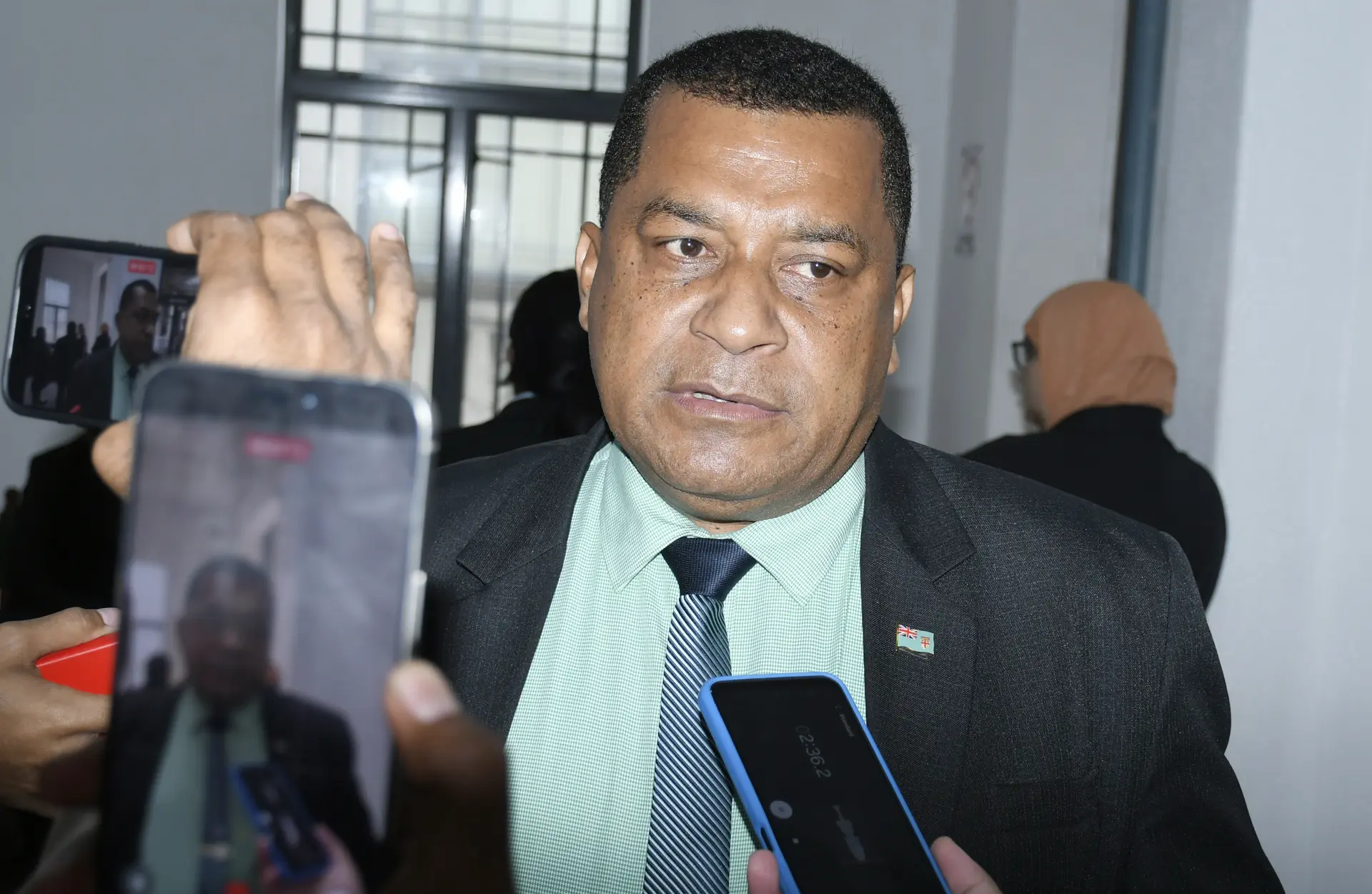
Fiji Network Plus director Sio Colati said the surge reflected the aftershocks of a health system stretched during the pandemic, when attention shifted almost entirely to COVID‑19.
“When COVID‑19 hit, the country’s focus shifted almost entirely, and HIV was less prioritised,” Mr Colati said. “Now we are seeing the consequences in the data.”
He said HIV testing rates declined during the pandemic, access to treatment was disrupted, and prevention campaigns — including awareness programmes and community outreach — were scaled back.
Lockdowns and movement restrictions also limited access to condoms and outreach services, while stigma and discrimination continued to discourage many people from seeking testing or support.
“These combined factors led to delayed diagnoses and untreated cases, increasing the risk of transmission across communities,” Mr Colati said.
He added that many people remained unaware of how HIV is transmitted or how to protect themselves, further compounding the spread of the virus.
Health experts say the sharp rise in cases reflects both new infections and a backlog of undiagnosed cases from the COVID‑19 period, when routine healthcare services were severely disrupted.
Disruptions meant many individuals were not diagnosed early, reducing opportunities for timely treatment. Without early intervention, the likelihood of unknowingly transmitting the virus increases significantly.
Mr Colati said access to prevention tools was also affected, as lockdowns made it difficult for people to obtain condoms and essential information. At the same time, reduced community outreach weakened support systems, particularly for vulnerable populations.
“All these issues together made it more difficult to control HIV transmission during and after the pandemic,” he said.
Health advocates are now warning that Fiji is dealing with a “delayed wave” of infections driven by pandemic-era disruptions.
They stress that early diagnosis and immediate treatment remain critical, noting that people on proper antiretroviral treatment can achieve viral suppression, reducing the virus to undetectable levels and preventing further transmission.
As Fiji continues its post‑COVID recovery, Mr Colati called for renewed urgency and a stronger, more coordinated national response that prioritises both healthcare systems and community‑led initiatives.
“The pandemic may be over,” he said, “but its impact on HIV is only now being revealed.”