'Early cancer diagnosis remains biggest challenge'
According to figures shared during the launch, Fiji records between 35 and 50 new childhood cancer cases each year.
Friday 31 July 2026 | 07:00
National Child Cancer Month, observed throughout August, aims to honour children battling cancer while raising public awareness about childhood cancer.
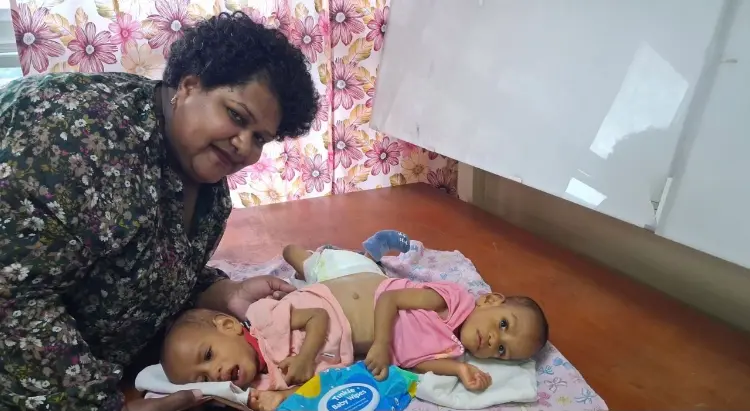
Delayed diagnosis remains the biggest obstacle in the fight against childhood cancer in Fiji, with many children still missing the opportunity for life-saving treatment, says WOWS Kids Fiji co-founder Taholo Kami.
Speaking at the launch of National Child Cancer Month, Mr Kami said raising public awareness was critical to ensuring children with cancer were diagnosed earlier, giving them the best chance of survival.
"One of the biggest challenges has been ensuring we have a good relationship with the Ministry of Health and getting cancer to be discovered earlier," he said.
Related stories
"The best chance the kids have is when treatment starts early in the process."
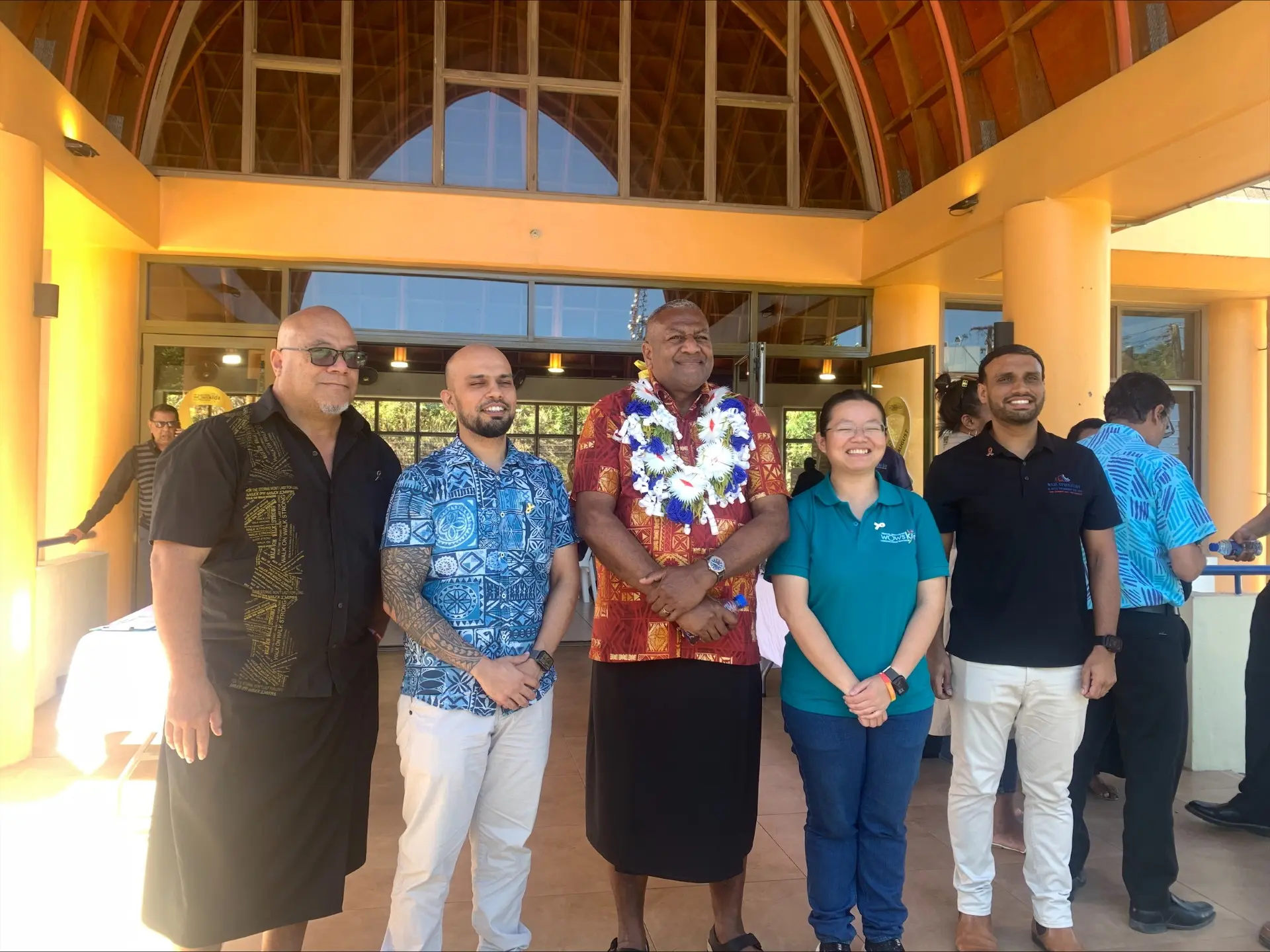
National Child Cancer Month, observed throughout August, aims to honour children battling cancer while raising public awareness about childhood cancer. WOWS Kids Fiji is partnering with the Government to coordinate activities during the month, with the official launch led by the Assistant Minister for Health.
Mr Kami said WOWS Kids Fiji had strengthened its support network over the years and now employed three full-time staff alongside volunteers who responded immediately when a child was diagnosed at the Colonial War Memorial Hospital or Lautoka Hospital.
He said the organisation filled gaps in care by providing medicines when unavailable, medical equipment, transport, accommodation, food and even telephone cards for families.
"People used to get in the back of carriers, and sometimes kids didn't simply because transport wasn't available," he said.
"We've tried to make it easier for parents because they're already facing a very difficult journey."
According to figures shared during the launch, Fiji records between 35 and 50 new childhood cancer cases each year.
However, Mr Kami believes the actual number could be higher because of undiagnosed cases.
"We're not sure how realistic that number is. It could be much more," he said. "You hear of children who suddenly die from illnesses that were never properly identified, and you wonder whether it was cancer."
Despite the challenges, Mr Kami said survival rates had improved, particularly for children with leukaemia, because more families now had consistent access to treatment.
"In the past, only about two out of every 10 children survived. Now we're at maybe 50 per cent, and a lot of that is simply because children are turning up for treatment," he said.
Mr Kami acknowledged the support of healthcare workers, private sector partners and donors who continue to stand with families throughout treatment.
"Cancer in children is always a tough thing," he added.
"Families are not on the journey alone. Many people are working together to make sure children and their parents receive the support they need."