Health inspector backs tougher fines to improve sanitation
Mr Raikoso said more needed to be done to stop the transmission of LTDD despite ongoing public awareness campaigns.
Thursday 09 July 2026 | 08:00

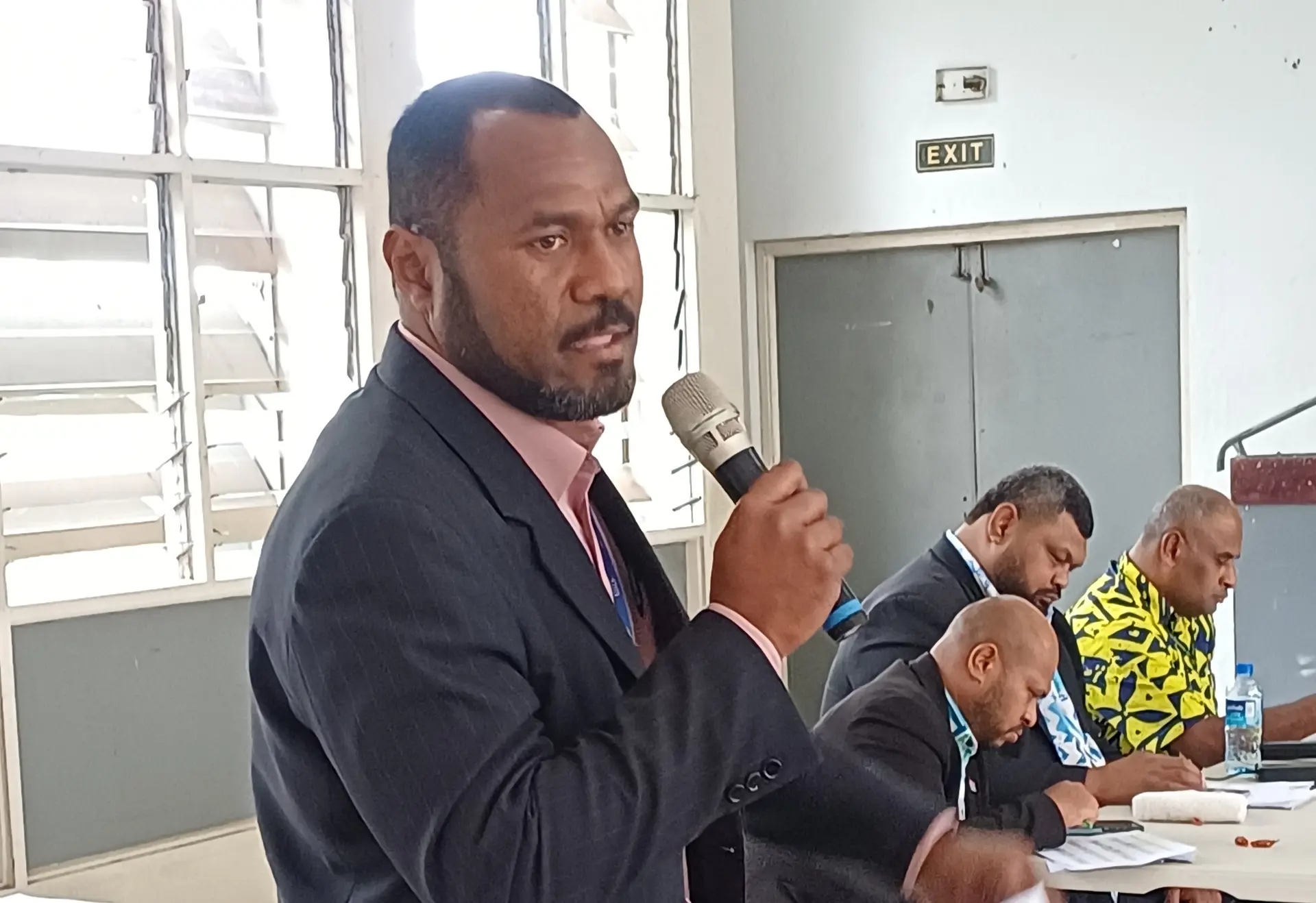
Ministry of Health and Medical Services senior health inspector for Macuata and Bua, Josaia Raikoso.
A senior health official has called for higher fines for poor sanitation and waste management offences, saying current penalties are too low to deter behaviour that continues to drive cases of leptospirosis, typhoid, dengue and diarrhoea (LTDD) in the Northern Division.
Ministry of Health and Medical Services senior health inspector for Macuata and Bua, Josaia Raikoso, made the call during consultations on the Public Health Amendment Bill by the Standing Committee on Social Affairs at the Labasa Civic Centre on Tuesday.
"Speaking as a community member and parent, I believe there is a strong need to increase the fine so that people take their health and surroundings seriously," Mr Raikoso said.
Related stories
He said previous enforcement efforts had been undermined by low penalties.
"In the past, people were issued spot fines for breeding mosquito larvae. When the cases went before the court, the magistrate said they would not impose a $10 fine and asked us to stop wasting the court's time."
Mr Raikoso said poor management of solid waste, stray animals and poor sanitation remained the leading causes of LTDD in the North.
"It is poor management of solid waste, stray animals and poor sanitation leading cause of LTDD in the North," he said.
"I have seen stray animals such as dogs and pigs in villages across Vanua Levu. That is why we continue to receive leptospirosis cases."
He said overcrowding was also contributing to poor sanitation, with many households in rural areas, villages and settlements sharing a single toilet.
Mr Raikoso said more needed to be done to stop the transmission of LTDD despite ongoing public awareness campaigns.
"Every year the ministry records LTDD cases in the North and at times there are outbreaks in red zones around Labasa," he said.
"When we investigate these cases, we find that people in villages and settlements are not following the health advice we provide."
He thanked the committee for proposing higher penalties in the draft legislation, saying poor waste management remained a serious issue in the Northern Division.