Health Ministry issues warning after teen dies of suspected leptospirosis
The Central Health Services Divisional Outbreak Response Team is carrying out public health interventions and investigations.
Sunday 22 February 2026 | 14:00

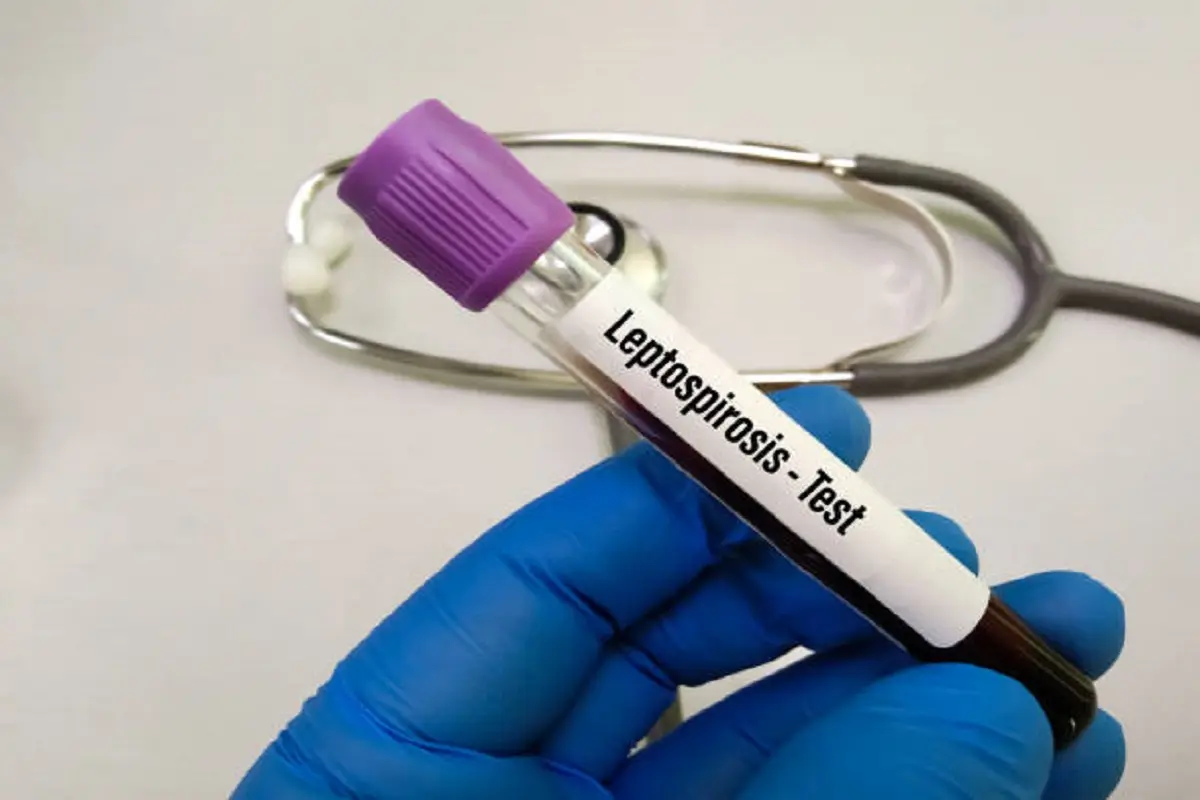
A teenager has died and two others are in hospital with suspected severe leptospirosis.
The Ministry of Health and Medical Services confirmed that three teenagers were admitted to health facilities around Suva last week.
One died shortly after admission at the Colonial War Memorial Hospital on Friday. The ministry extended condolences to the family.
Related stories
All three had a history of swimming at Colo-i-Suva.
The Central Health Services Divisional Outbreak Response Team is carrying out public health interventions and investigations.
The ministry said although current case numbers remain low, leptospirosis is a deadly disease and the recent death highlights the risk, particularly after periods of heavy rain.
With current weather conditions, more cases may be expected.
Leptospirosis is preventable and treatable if detected early.
The ministry urged anyone with symptoms to seek medical care immediately.
What is leptospirosis?
Leptospirosis is a bacterial disease spread through the urine of infected animals, including cattle, pigs, rats, horses, dogs and mongoose. The bacteria can survive for weeks or months in water and soil.
People can become infected through contact with contaminated water, mud, soil or food. The bacteria enter through cuts or broken skin, or through the eyes, nose or mouth.
Who is at risk?
In Fiji, the disease affects both rural and urban communities and is commonly seen among adolescents and adults up to 45 years old, who are more likely to swim in rivers or wade in muddy areas.
Risk increases during the rainy season, when floodwaters can wash contaminated animal urine into waterways.
Symptoms
Symptoms can appear between two days and four weeks after exposure and may include high fever, headache, chills, muscle aches, vomiting, red eyes, abdominal pain, diarrhoea and rash. Severe cases can lead to kidney or liver failure, meningitis, respiratory distress and death.
Health officials warn that symptoms may initially resemble other illnesses. Early treatment with antibiotics is critical. Severe cases may require intravenous antibiotics and intensive hospital care.
Prevention
The ministry advised the public to:
- Avoid swimming or wading in water that may be contaminated.
- Wear protective clothing and footwear when outdoors, especially in agricultural areas.
- Store food safely away from animals, including rats.
Anyone experiencing symptoms after contact with floodwaters, rivers or muddy areas is urged to seek