Health Ministry puts spotlight on enforcement of new public health law
Environmental health officers urged to use science, legislation and data to tackle emerging health risks.
Thursday 26 November 2026 | 15:00


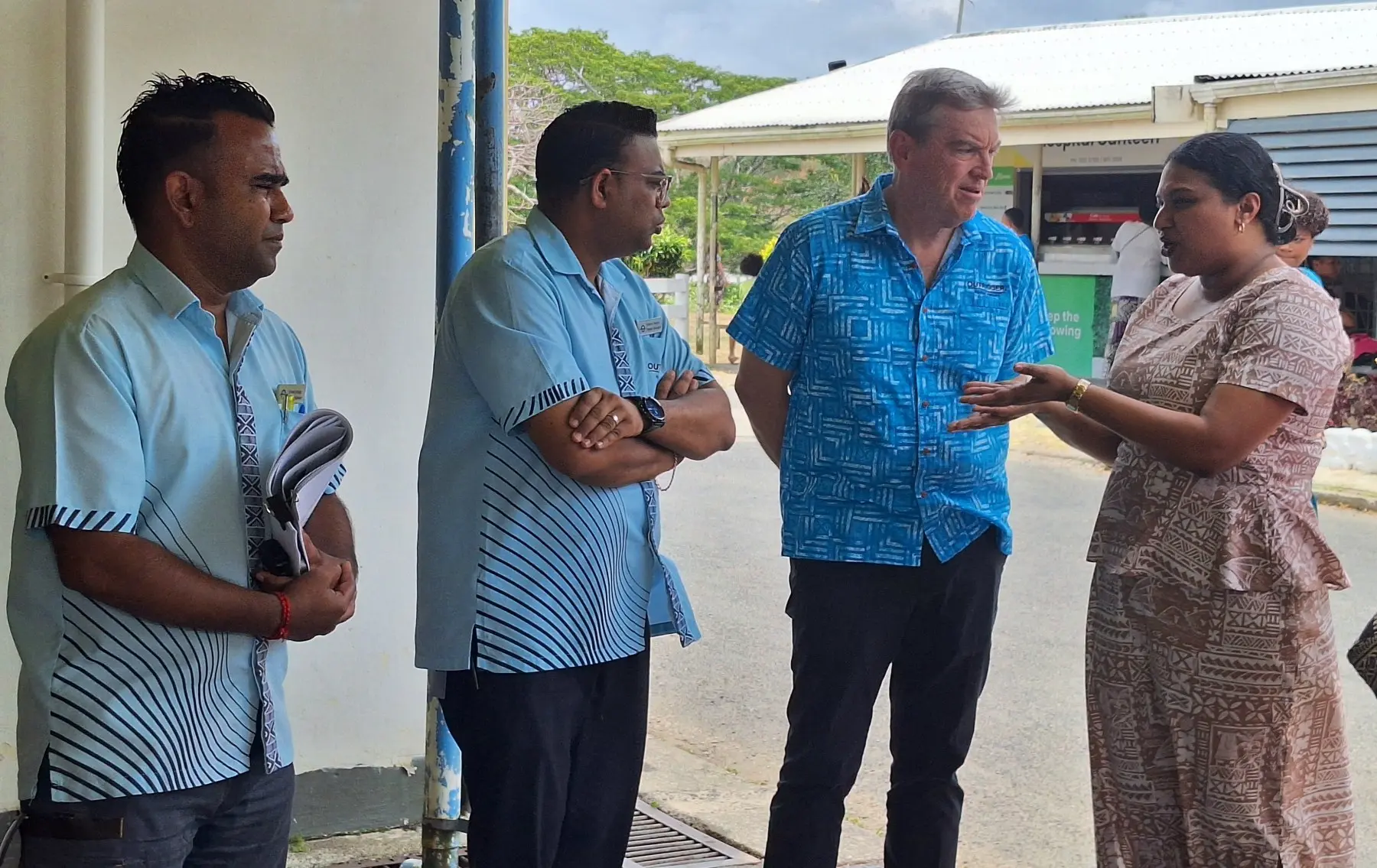
From left: WHO Pacific Climate Change and Environment Unit coordinator Robin Ward and Acting Deputy Secretary for Public Health Dr Tevita Qoriniasi at the Fiji Environmental Health 2026 Symposium at Nalagi Hotel in Nadi.
Fiji’s modernised public health legislation will only make a difference if environmental health officers enforce it effectively, says Acting Deputy Secretary for Public Health Dr Tevita Qoriniasi.
Dr Qoriniasi has challenged officers to take greater responsibility for protecting communities, stressing that the success of the amended Public Health Act 2026 depends on its implementation.
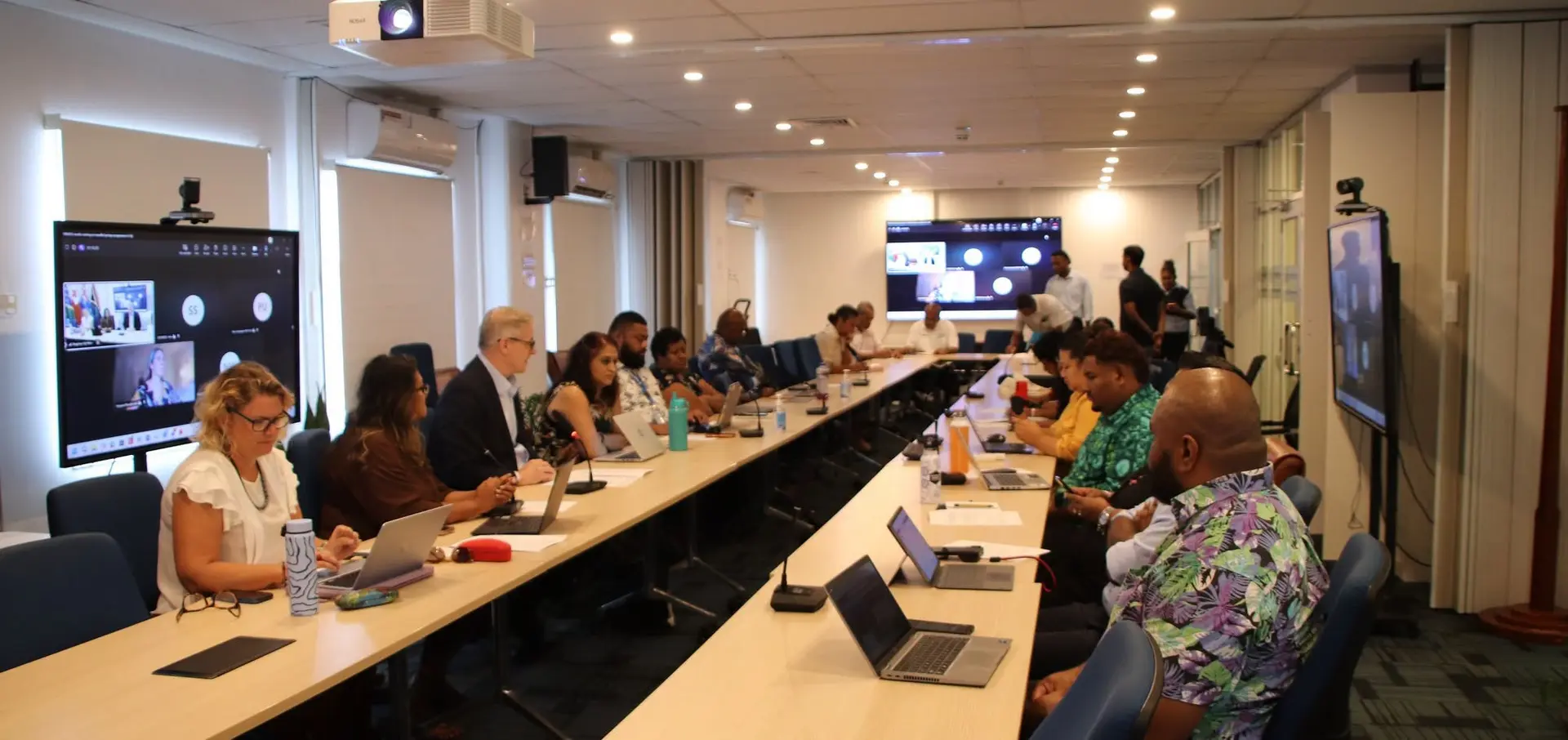
Speaking at the Fiji Environmental Health 2026 Symposium at Nalagi Hotel in Nadi yesterday, he said the updated legislation provided stronger legal backing to address emerging health threats, climate change and rapid urbanisation.
Related stories
“Today, your role has never been more critical. In the last sitting of Parliament, Fiji passed the amended Public Health Act, updating a 90-year-old piece of legislation to meet the modern needs of climate change, emerging diseases, and rapid urbanisation,” he said.
“For nearly a century, we have fought the 21st-century health battles with the 20th-century tools. That era is over.”
However, Dr Qoriniasi said legislation alone would not protect the public without effective enforcement by officers responsible for conducting inspections and ensuring compliance.
“Legislation on paper does not protect a single citizen. Laws do not inspect kitchens, test water sources or enforce compliance; you do.”
“The true power of this modernised Public Health Act lies in its implementation, and that responsibility belongs to you,” he said.
He said environmental health officers were Fiji’s first line of defence, with responsibilities including food safety inspections, water quality monitoring, disease prevention and screening for potential health threats at ports and airports.
Dr Qoriniasi also highlighted the launch of the Fiji National Water, Sanitation and Hygiene (WASH) Report, which he said would provide clearer data to improve standards across healthcare facilities.
“I challenge you today to step into this new chapter with renewed urgency and pride, stand firmly with science, and enforce the law fairly, fearlessly, and consistently,” he said.
He urged officers to use science, legislation and available data to protect vulnerable communities from climate-driven health risks.