ICU beds strained as HIV crisis deepens
He said HIV infections had accelerated over the past five years, driven largely by the sharing of needles and syringes among people who inject drugs.
Thursday 26 February 2026 | 07:00
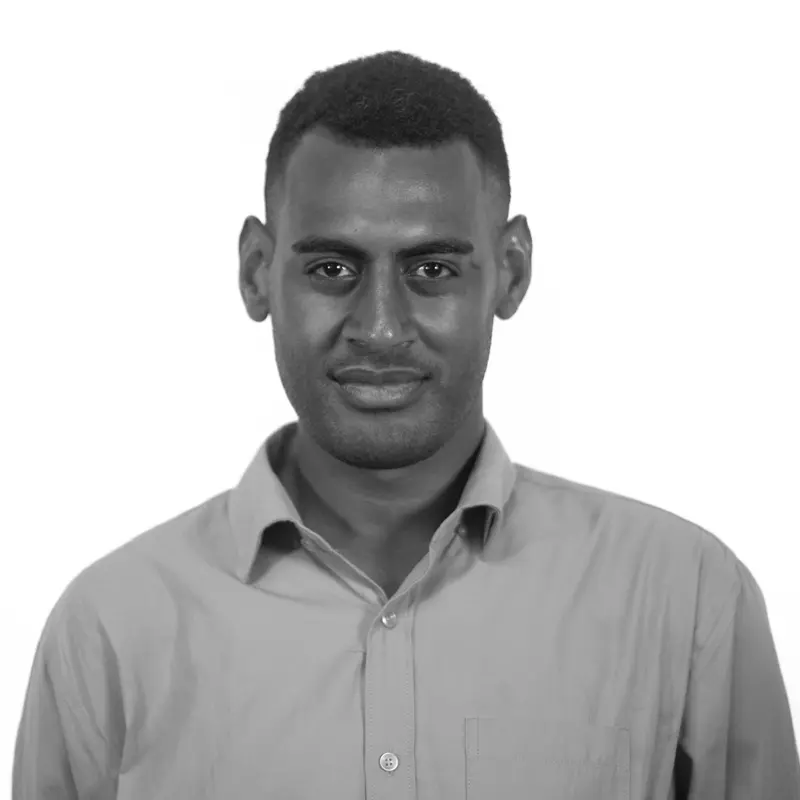
Fiji’s hospital intensive care units are running close to capacity, with a surge in advanced HIV cases adding pressure to an already stretched health system, says Dr Jason Mitchell, chairperson of the National HIV Outbreak Response.
Speaking at the National Talanoa Session on Responding to Illicit Drugs in Fiji at the Lami Convention Centre yesterday, Dr Mitchell warned that preventable late-stage HIV complications were occupying ICU beds for weeks and sometimes months, sharply increasing treatment costs.
“Treatment is available,” he said. “People are ending up in ICU because they are not on treatment.”
Related stories
He said HIV infections had accelerated over the past five years, driven largely by the sharing of needles and syringes among people who inject drugs. Nearly half of new infections are linked to needle sharing.
When untreated, HIV severely weakens the immune system, leaving patients vulnerable to opportunistic infections such as tuberculosis and pneumonia.
Dr Mitchell said that at the national tuberculosis hospital, an estimated 80 per cent of admitted patients are co-infected with HIV. Many deteriorate rapidly and require intensive care.
"ICU treatment is among the most resource-intensive services in the health system. Each bed demands specialized staff, advanced equipment and round-the-clock monitoring," Dr Mitchell said.
"In a country with limited ICU capacity, prolonged HIV-related admissions mean fewer beds available for accident victims, cardiac emergencies and other critical patients."