Nearly all Fijian adults are at risk of NCDs
98.5 per cent of Fijian adults now live with at least one non-communicable disease (NCD) risk factor.
Friday 06 February 2026 | 11:30

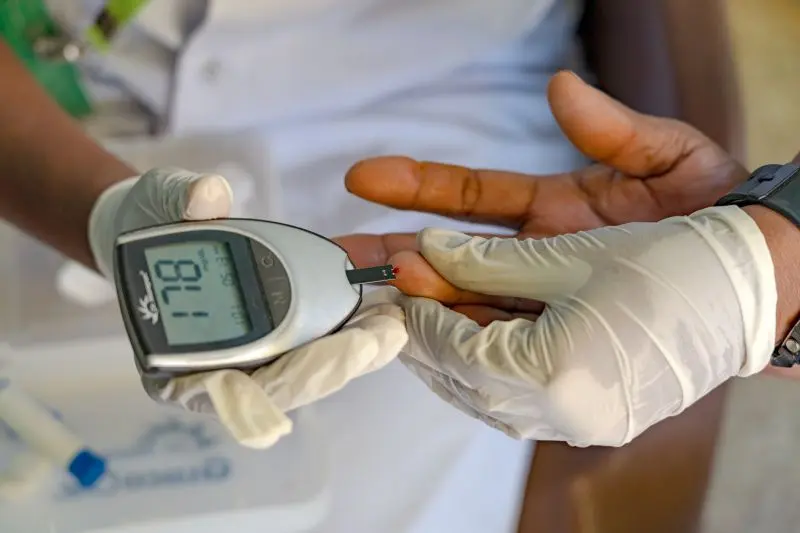
The survey revealed hypertension affects more than one in three adults (37 per cent), yet fewer than half are aware of their condition, and only a small proportion have their blood pressure adequately controlled.
Supplied
Almost all adults in Fiji – 98.5 per cent – now live with at least one non-communicable disease (NCD) risk factor, with nearly half facing three or more.
This is according to the new Fiji STEPS Survey Report 2025 which was launched this morning at the Grand Pacific Hotel in Suva.
Health Minister Dr Ratu Atonio Lalabalavu called the findings "sobering", warning that NCDs continue to account for the vast majority of premature deaths in Fiji.
Related stories
"This report is far more than a collection of statistics," Dr Lalabalavu said.
"It is a mirror held up to our nation's health – one that reflects both areas of progress and areas that demand urgent, collective action."
The survey revealed hypertension affects more than one in three adults (37 per cent), yet fewer than half are aware of their condition, and only a small proportion have their blood pressure adequately controlled.
Diabetes affects approximately one in six adults (16.5 per cent), with less than half previously aware of their condition.
"This gap between diagnosis, treatment and control highlights the urgent need to strengthen primary health care, screening, follow-up and continuity of care," Dr Lalabalavu said.
The report also showed over two-thirds of adults are overweight or obese (68.2 per cent), with nearly 40 per cent classified as obese.
Australian High Commission Counsellor Human Development Emeline Cammack said the findings demonstrate NCDs are not only a health challenge but a development, social and economic challenge.
"These findings matter because they affect Fijians during their most economically productive years, reducing workforce participation, increasing household financial stress and placing long-term strain on the health system," Ms Cammack said.
World Health Organisation's Head of Surveillance, Monitoring and Reporting Dr Leanne Riley, speaking via Zoom, congratulated Fiji for conducting the population-based survey.
"The real impact of this survey will be measured not by the report itself, but by how the findings are now used to strengthen policies, improve services and ultimately improve the health and wellbeing of people in Fiji," Dr Riley said.
The survey was co-funded by the Australian Government.