New techniques help save limbs as late vascular cases rise
A vascular surgeon says up to 80 per cent of patients in Fiji present late for treatment, but improved techniques and a focus on limb salvage are significantly reducing amputation rates.
Monday 20 April 2026 | 10:00
Updated 20 April 2026 | 11:21 FJT
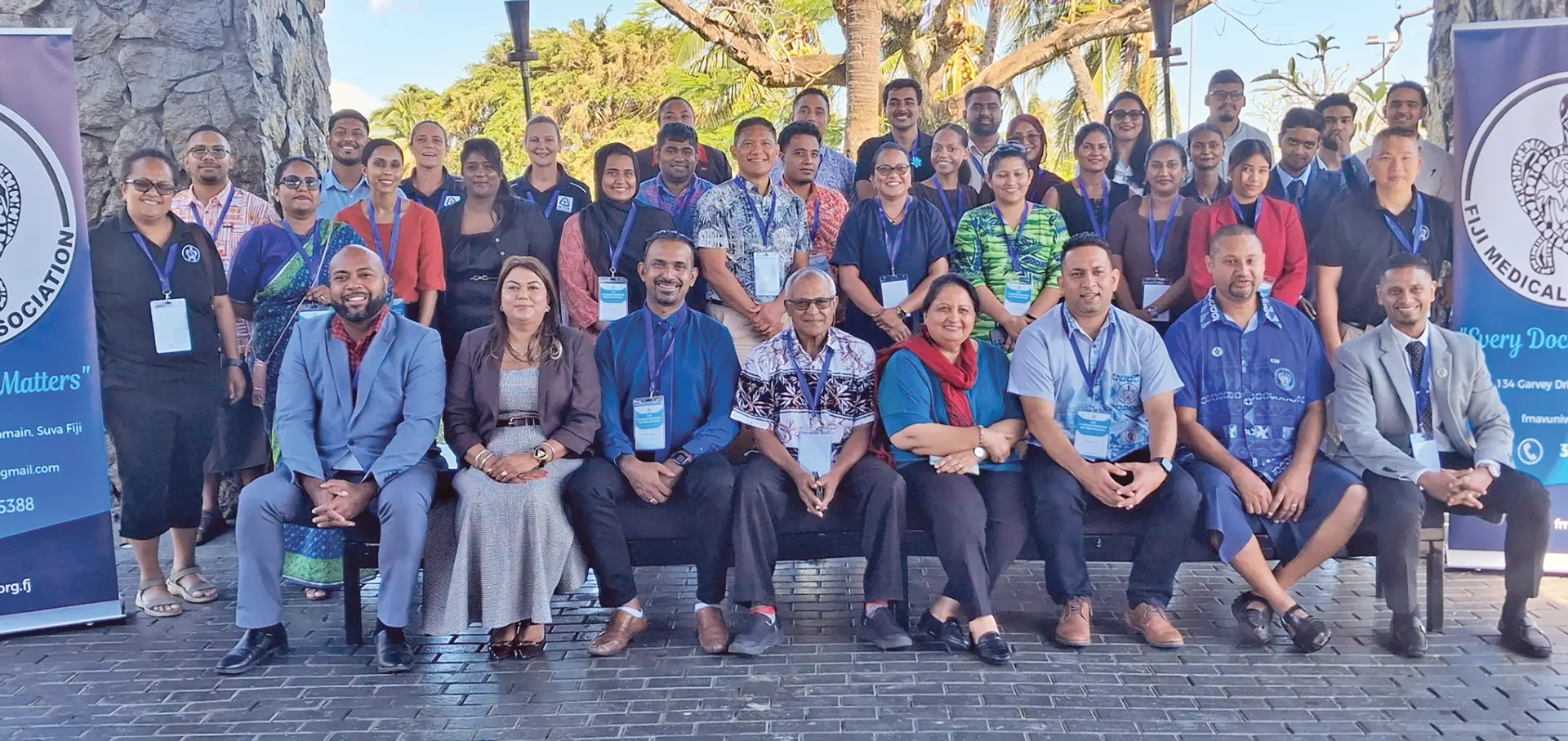
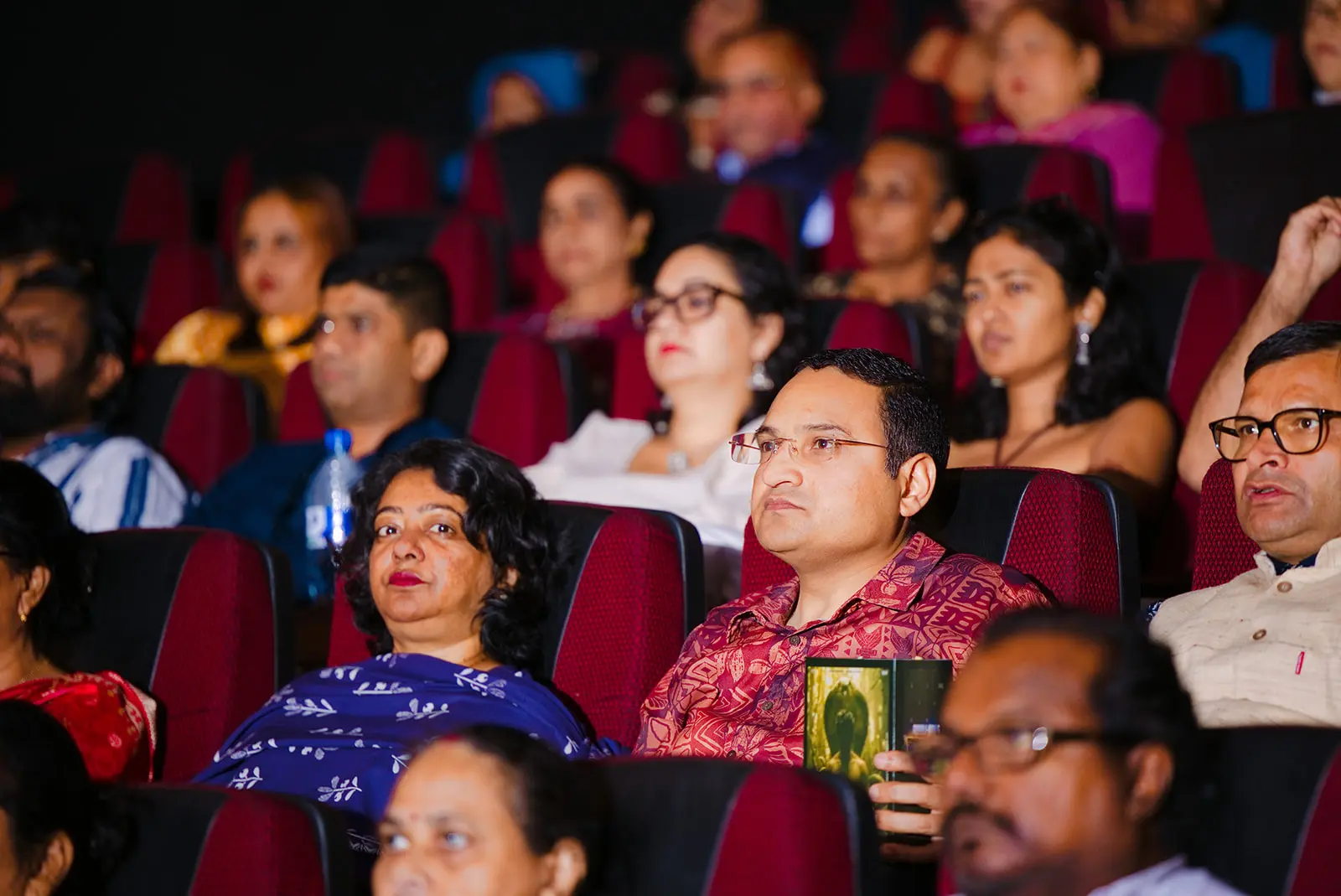
Participants at the Fiji Medical Association West conference at Novotel Nadi.
Photo: Waisea Nasokia
Late presentation is driving high demand for vascular surgery in Fiji, but improved techniques are helping to reduce the number of amputations.
Vascular surgery is a medical specialty focused on managing diseases of the vascular system, including arteries, veins, and lymphatics, excluding the heart and brain.
Up to 75 to 80 per cent of patients requiring vascular surgery in Fiji are presenting late, according to Dr Ronal Kumar of Lautoka Hospital.
Related stories
He revealed this at the Fiji Medical Association West conference held at the Novotel Nadi last Saturday.
“Not all late presentations are the patient’s fault. Much of it relates to where they are first seen — delays or gaps in primary health care,” Dr Kumar said.
“Secondly, we are competing with herbal medicine and certain mindsets. Thirdly, there is isolation from health services. People in rural areas and outer islands often face access challenges, which delay intervention.”
Dr Kumar said vascular surgery services at Lautoka Hospital had improved, with a stronger focus on limb salvage. However, as a secondary care facility, the hospital faced limitations in preventive care.
He said new techniques were helping to delay or prevent amputations.
“These include improving blood supply, early intervention, and advanced wound management methods to save the limb as much as possible,” he said.
Dr Kumar also highlighted the urgent need for specialised wound care nurses.
He said monthly amputation rates had dropped to between six and 10 cases, compared with 20 to 30 cases previously, when the hospital once averaged one to two amputations a day.
“We’ve significantly reduced the numbers, in some cases to about 30 per cent of what we used to see,” he said.
In February this year, Dr Kumar was part of the team that performed Fiji’s first minimally invasive abdominal aortic aneurysm repair at Colonial War Memorial Hospital.
He recently completed a fellowship at the Vascular/Endovascular and Transplant Unit at Christchurch Hospital in New Zealand.
Feedback: waisean@fijisun.com.fj