Artificial Intelligence, digital technology transforms Customs
World Customs Organization deputy secretary-general says digital innovation is helping agencies process information faster and improve outcomes.
Friday 05 June 2026 | 12:00
Updated 05 June 2026 | 13:13 FJT

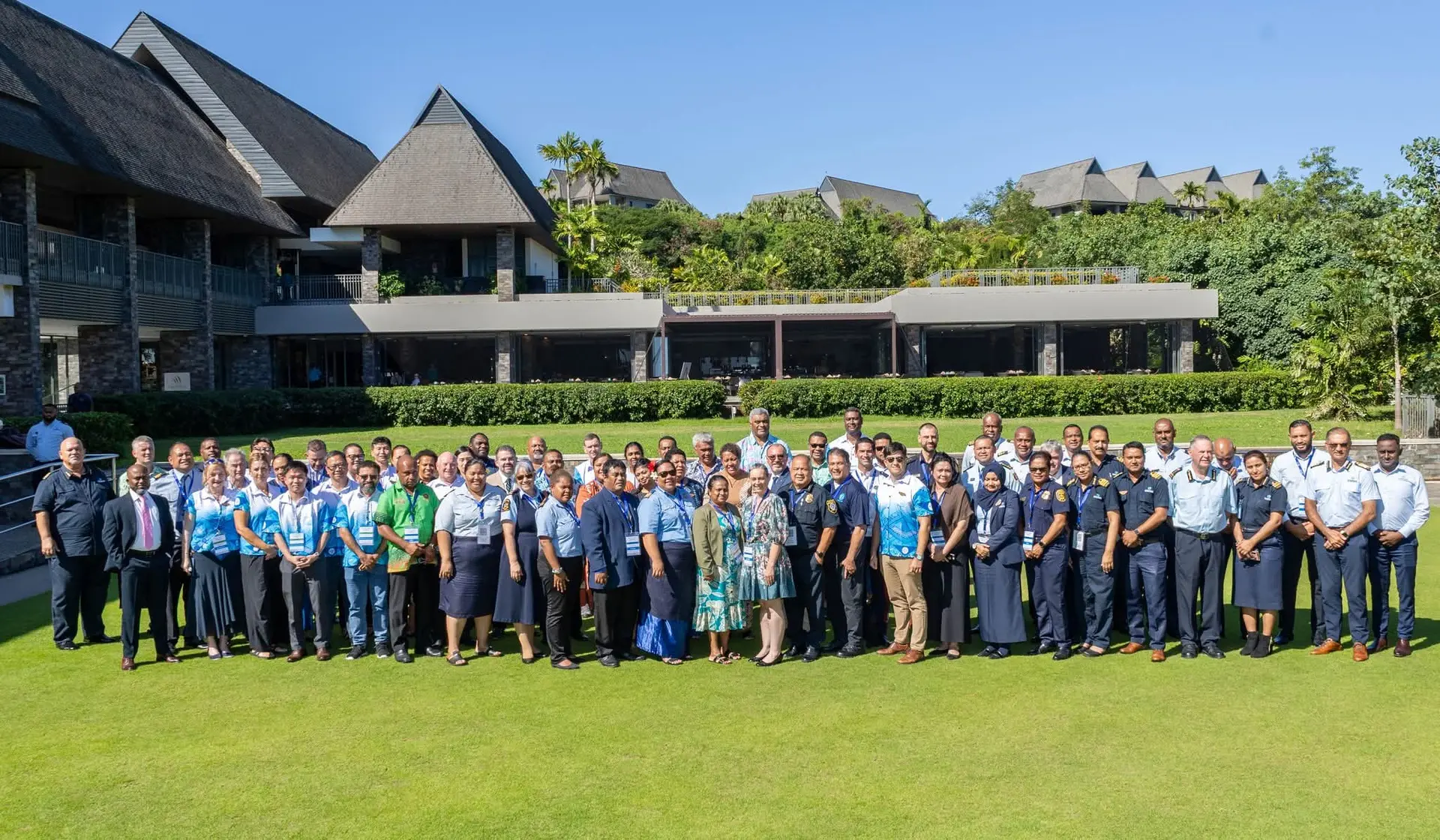
Delegates at the 28th Oceania Customs Organisation (OCO) Annual Conference at the InterContinental Fiji Golf Resort and Spa at Natadola Bay in Nadroga.
Photo: Katherine Naidu
Advances in artificial intelligence and digital technology are enabling customs administrations to improve trade facilitation, strengthen enforcement and enhance revenue collection simultaneously.
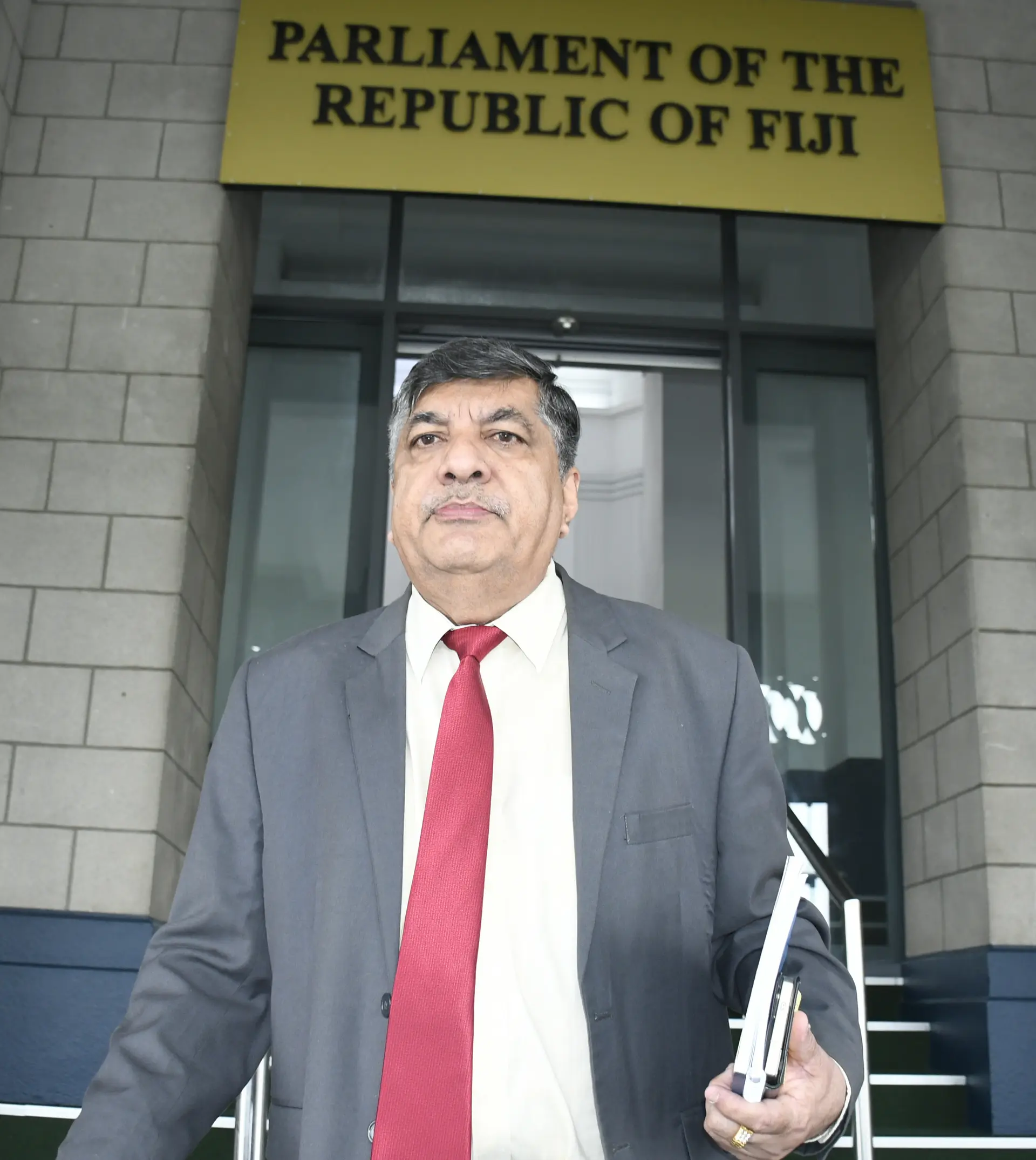
Addressing the 28th Oceania Customs Organisation (OCO) Annual Conference at the InterContinental Fiji Golf Resort and Spa at Natadola Bay in Nadroga this week, World Customs Organization (WCO) Deputy Secretary-General Ricardo Treviño said technology was transforming the way customs agencies operate around the world.
"We are now seeing exponential growth in the use of technology to digitise procedures and solutions, including those based on artificial intelligence, that allow customs organisations to produce results and process volumes of information that were previously impossible for humans to manage," Mr Treviño said.
Related stories
He said the WCO was moving away from the traditional approach of balancing competing priorities, where achieving one objective often came at the expense of another.
"The work that we're doing is no longer about finding a balance in achieving these objectives because balance means sacrificing, to a certain degree, some aspects to achieve another.
"What we want to do now is achieve all these objectives in full, and with the current technologies and the approach we are taking within the WCO, this is both feasible and achievable," he said.
The WCO's 2025–2028 Strategic Plan focuses on three key objectives:
• Trade facilitation;
• Fair revenue collection; and
• Protecting societies.
Mr Treviño said better use of data and emerging technologies would help customs agencies facilitate legitimate trade, strengthen enforcement efforts and ensure fair revenue collection while responding to society's needs.
He also said maritime trade security was becoming an increasingly important area of focus for customs administrations.
"There are very interesting topics that are also of interest to the wider WCO membership, including how to balance trade facilitation and enforcement and address security risks related to maritime trade.
"This is an area where the WCO is investing significant effort, together with our members, to develop best-practice solutions and exchange ideas on how we can address these opportunities and risks," he said.