LTA introduces two-tier provisional licence system
Fiji recorded 66 road fatalities in 2024 and 83 in 2025.
Wednesday 17 June 2026 | 16:00
Updated 17 June 2026 | 17:49 FJT

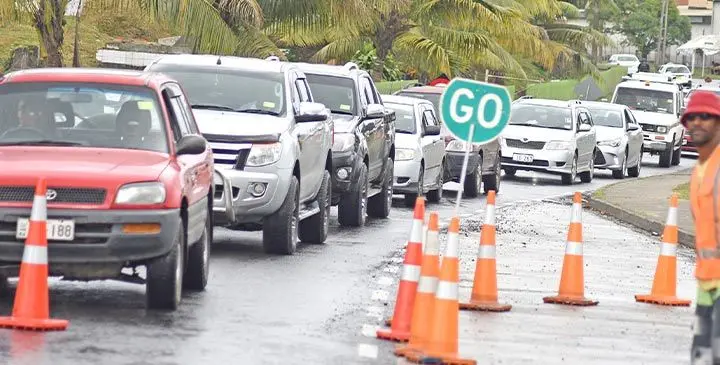
New drivers will face tougher restrictions, mandatory training and stricter penalties under a new two-tier provisional licensing system aimed at reducing road deaths and improving driver behaviour in Fiji.
The Land Transport Authority (LTA) has announced that the new Provisional One (P1) and Provisional Two (P2) licensing system will take effect from September 30, replacing the current single-stage provisional licence framework.
The changes follow amendments to the Land Transport Act and Regulations designed to strengthen road safety and modernise Fiji's driver licensing system.
Related stories
LTA chief executive officer Irimaia Rokosawa said the reforms were driven by the continued involvement of provisional licence holders in serious and fatal crashes.
“The initiative represents a significant step forward in strengthening driver standards and improving road safety across Fiji, particularly for new and inexperienced drivers as they transition towards full driving privileges,” he said.
Fiji recorded 66 road fatalities in 2024 and 83 in 2025.
Mr Rokosawa said provisional drivers were involved in a number of those fatal crashes.
“Of the fatal crash incidents recorded in 2024, 16 per cent involved provisional licence holders, while 8 per cent of fatal crash incidents in 2025 involved drivers holding provisional licences,” he said.
“The legislative changes are aimed at strengthening the graduated licensing system, improving driver behaviour, and reducing the risk of serious crashes among new and inexperienced drivers.”
The authority also revealed that more than 100,600 Traffic Infringement Notices (TINs) have been issued to provisional drivers since 2021.
There are currently 24,543 provisional licence holders across Class 1, Class 2 and Class 8 categories.
Under the new system, learner drivers must first pass the road code and regulations test, a Hazard Perception Test (HPT), and a practical driving test before progressing to the P1 stage.
The Hazard Perception Test is a computer-based assessment designed to evaluate a driver's ability to identify and respond to potential dangers on the road.
Mr Rokosawa said the test would help drivers develop stronger decision-making skills and better awareness of real-world driving risks.
The P1 licence will remain valid for a minimum of two years and comes with strict conditions.
“During this P1 stage, drivers are permitted to operate only private vehicles with a net weight of less than 3.5 tonnes between the hours of 5am and 10pm. In addition, a zero-blood alcohol concentration and zero tolerance for illicit drugs are mandatory," he said.
P1 licence holders will not be allowed to drive hire, commercial, rental or government vehicles and are prohibited from towing any vehicle, motorcycle or trailer.
They must also successfully complete a mandatory Defensive Driving Course (DDC).
Drivers who complete the P1 stage with a clean record and zero TINs may progress directly to a full licence after completing the DDC.
Those who commit offences will move to the P2 stage for a minimum of 12 months.
Under P2, drivers will continue to face restrictions limiting them to private vehicles under 3.5 tonnes, while towing and operating commercial, rental or government vehicles will remain prohibited.
Zero tolerance for alcohol and illicit drugs will also continue to apply.
The new system includes a strict offence management regime.
“Drivers who commit one offence will face an extension of three months from the expiry date of their P1 or P2 period,” Mr Rokosawa said.
“A second offence will result in an additional three-month extension, while a third offence will lead to a suspension of one year, after which the driver will be required to restart the P1 process.”
Mr Rokosawa said the graduated licensing approach would allow drivers to gain experience progressively while reinforcing accountability and responsible driving behaviour.
“The Authority is urging all provisional drivers, parents and guardians to familiarise themselves with the new requirements and ensure full compliance.”
He said the authority believed the changes would help reduce serious crashes involving young and inexperienced drivers by addressing risk factors such as night-time driving, alcohol use and limited hazard awareness.