Concerns raised over $10,000 fines under proposed Kava Bill
SEEP questioned the broad definition of a yaqona operator under Clause 2, calling for stronger protections for smallholder farmers, women, youth and rural communities.
Saturday 28 November 2026 | 15:00

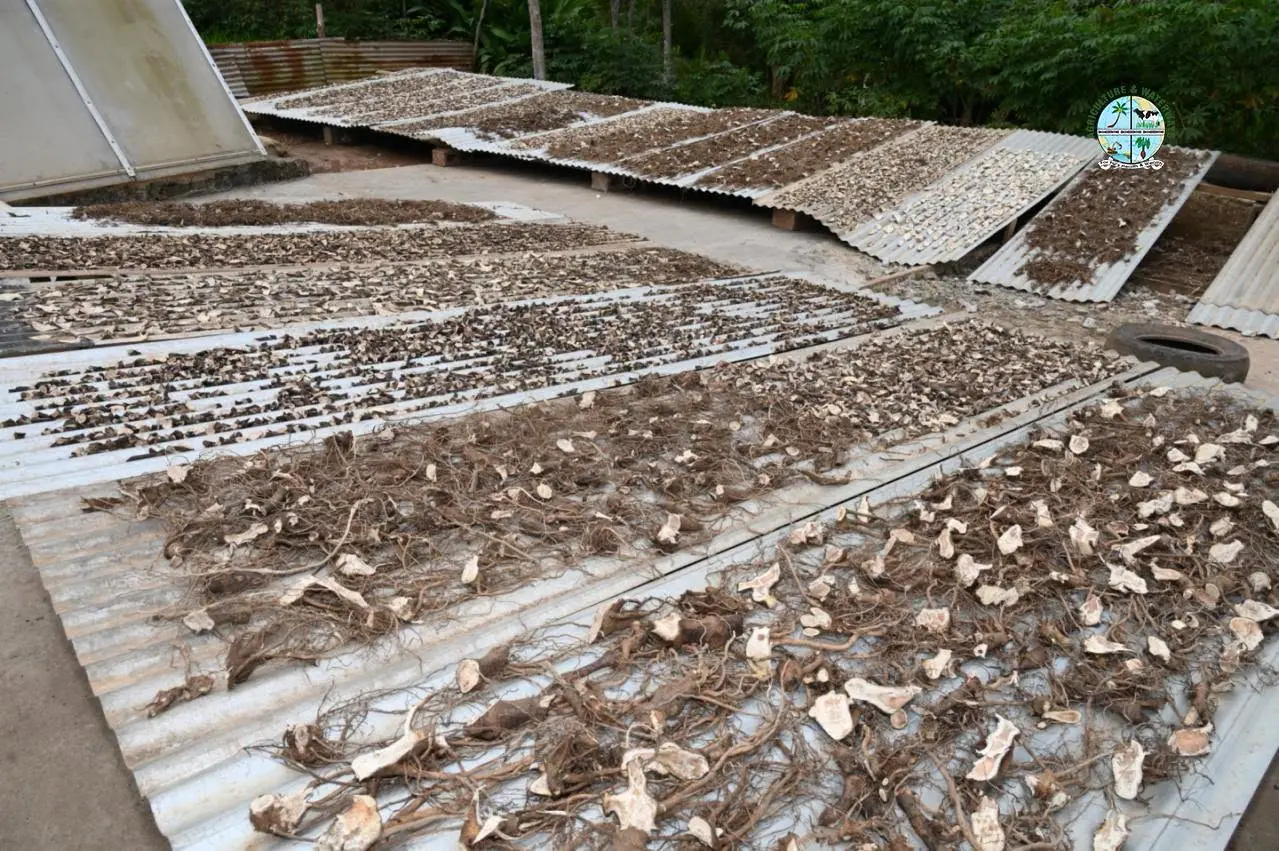
Concerns have been raised that smallholder yaqona farmers, roadside vendors and small-scale sellers could face fines of up to $10,000 or imprisonment of up to two years under the proposed Yaqona (Kava) Bill 2026.
The Social Empowerment Education Programme (SEEP) warned that the proposed legislation could subject small-scale operators to the same regulatory requirements as large commercial exporters, without adequately considering their circumstances.
In its written submission to the Parliamentary Standing Committee on Justice, Law and Human Rights, SEEP raised particular concerns over Clause 36, which proposes penalties for individuals operating without the required registration or licence.
Related stories
The organisation also questioned the broad definition of a yaqona operator under Clause 2, calling for stronger protections for smallholder farmers, women, youth and rural communities.
SEEP recommended introducing a clear exemption threshold for smallholder farmers and a graduated penalty system that considers the size and nature of an operator's activities.
It also called for warnings, compliance support and a reasonable transition period before penalties are imposed on small-scale farmers.
Protecting rural livelihoods
The 2024 National Yaqona Farming Household Census recorded 14,532 farming households and 17,200 farmers, with approximately 93 per cent of households relying on yaqona as their main source of income.
SEEP acknowledged the importance of regulating Fiji's growing yaqona industry but expressed concern that the proposed legislation did not adequately reflect the realities faced by ordinary farmers and small-scale operators.
SEEP executive director Chantelle Khan said: "Regulation is important for the future of Fiji's yaqona industry, but it must also recognise and protect the smallholder farmers, women and young people who contribute to this sector. A regulatory framework must be inclusive, accessible and developed with the people it affects."
Consultation gaps
SEEP also raised concerns over gaps in the consultation process, noting that some farmers and market vendors were unaware of consultations taking place on the Bill.
The organisation recommended extending the parliamentary consultation period from 30 to 60 days, with greater investment in face-to-face awareness sessions across provinces, particularly in rural, interior and maritime communities.
It also called for guaranteed representation of smallholder farmers, women, youth and maritime communities in the proposed Fiji Yaqona Council and Yaqona Working Group (YWG).
Support for farmers
Other recommendations include establishing a traceability system to address yaqona theft, improving access to registration through mobile and offline services, and providing practical support to farmers facing barriers relating to land tenure, transportation and access to finance.
SEEP stressed that its recommendations were not intended to oppose regulation but to ensure that those most dependent on the industry were not disadvantaged.
The organisation urged the Standing Committee and Government to consider its recommendations to support the growth of the yaqona industry while safeguarding the livelihoods of ordinary Fijian farmers.