Recruitment agents blamed for fake work permit documents
He said employers could hire foreign workers directly or through agents, but no one knew how many used agents they could not check.
Saturday 28 November 2026 | 08:00

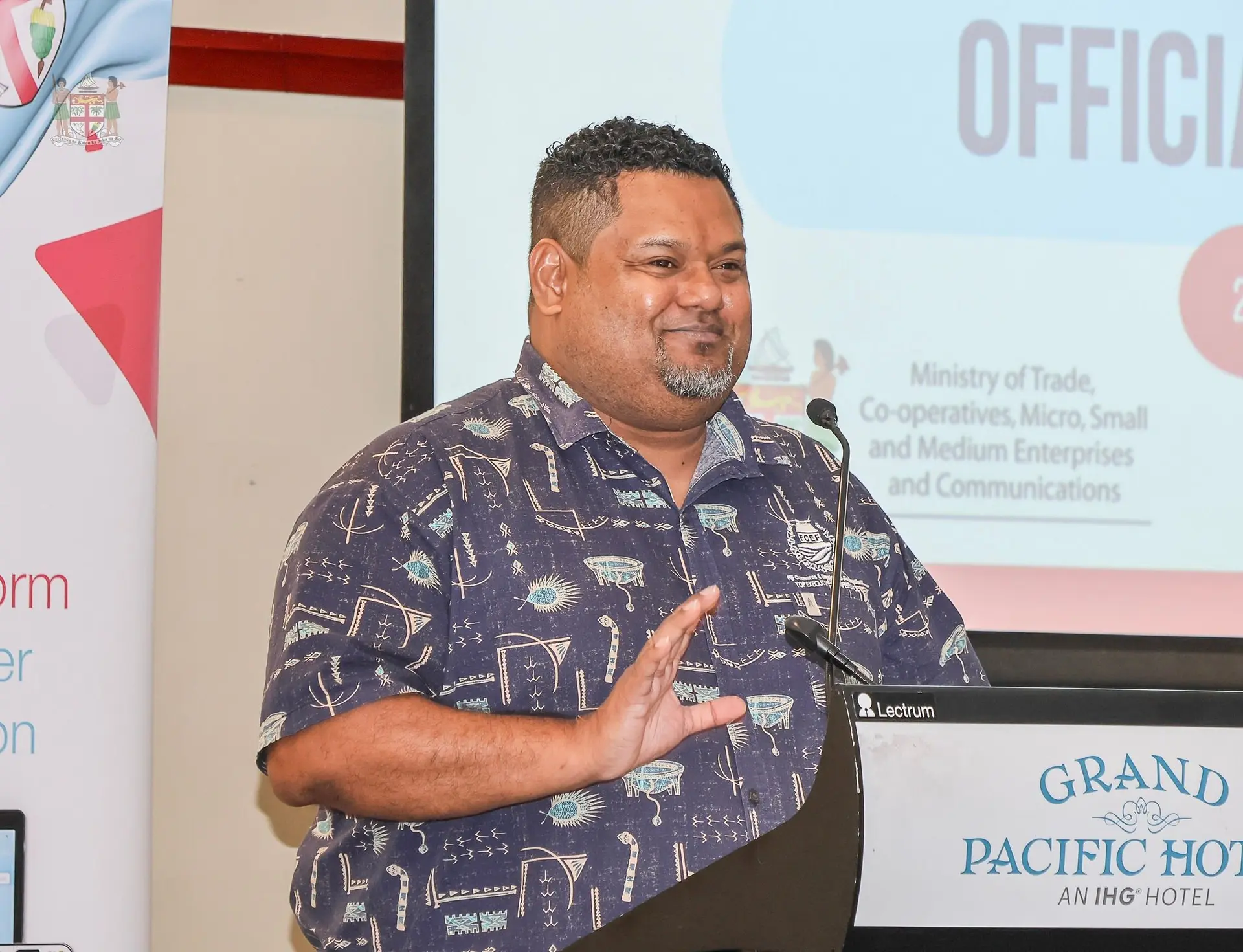
Fiji Commerce and Employers Federation (FCEF) chief executive officer Edward Bernard.
Photo: Fiji Government
Fiji Commerce and Employers Federation (FCEF) chief executive officer Edward Bernard says recruitment agents are behind most of the fake documents that led to 6000 work permit rejections.
He wants the Ministry of Immigration to name its certified agents.
"A lot of times the agents are the problem," Mr Bernard told this masthead on Friday.
Related stories
"You need to certify agents and tell us which ones are the certified agents. They don't do that."
He said employers could hire foreign workers directly or through agents, but no one knew how many used agents they could not check.
"Give us the certified registered agents, so that we know who to work with."
Mr Bernard said it cost an average of $3000 to bring in one foreign worker, before salary, food and accommodation.
"It's not cheap."
The rejections were recorded between August 2024 and November 2025.
Mr Bernard said the situation had improved since a work permit committee was formed. The Ministry also relaxed five requirements two months ago.
The FCEF skills survey shows construction, manufacturing and agriculture are among the industries affected.
It also found foreign workers grew by 79 percent between 2022 and 2025, compared with 10 percent for local workers.
Mr Bernard said Fiji only had labour agreements with Australia and New Zealand, not with Bangladesh, India, China and the Philippines.
"The government has to play its part."
He said businesses had to keep running because there were not enough qualified workers.
He pointed to the latest TSLS report, which found more than 33,000 scholarship recipients did not complete their studies.
FNU levy
Mr Bernard also repeated the call for employers to get full access to the 1 per cent FNU training levy.
Employers can currently access only about 10 per cent, with 40 per cent still going to the Accident Compensation Commission of Fiji.
"Employers are willing to train and retain people. But if we can't get access to our funds, we're not able to achieve that."
He said FCEF should manage the funds, not FNU, which provides training.
"These funds should be managed by the demand side."
Questions sent to the Ministry of Immigration remained unanswered.