Dealers warn of vehicle price hikes
Motoring industry calls for review of immediate import duty increase.
Thursday 02 July 2026 | 15:00
Updated 02 July 2026 | 17:52 FJT

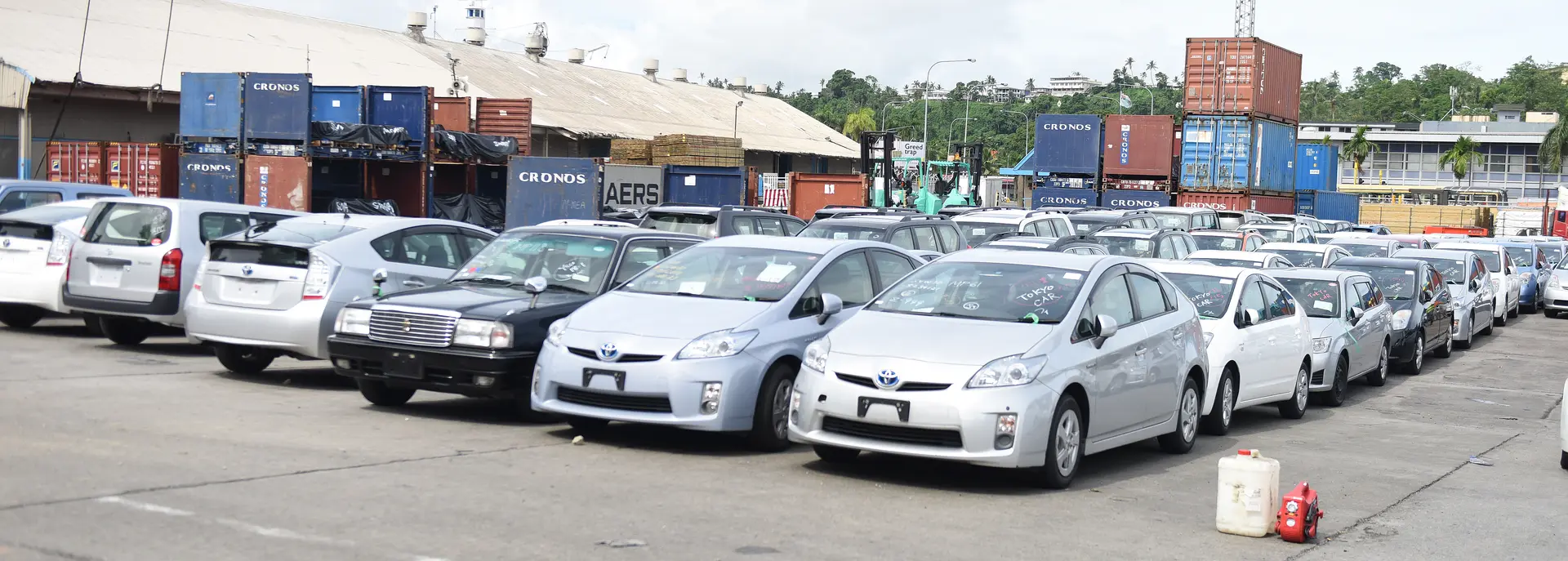
Fiscal duty on new vehicles has increased by five percentage points, as announced in the 2026-2027 National Budget on June 26, 2026.
Photo: Ronald Kumar
Motor vehicle dealers are calling on the Government to review the immediate implementation of higher import duties, warning the move has disrupted existing sales agreements, increased business costs and will ultimately push up vehicle prices for consumers.
The concerns follow the 2025–2026 National Budget announcement last Friday, which increased fiscal duty by five percentage points on new vehicles and 10 percentage points on older imported vehicles with immediate effect.
Western Homes Group director Bobby Khan said the timing of the changes had placed dealers in a difficult position, as many vehicles had already been imported or sold under agreements based on the previous duty rates.
Related stories
“The worst thing is that the duty changed the same night, which I think is very unfair,” Mr Khan said.
He said dealers had already entered into sale and purchase agreements with customers and arranged financing before the new rates were announced.
“When you buy a vehicle from Japan, you calculate the total cost, including duty, freight and all associated charges. Those prices have already been agreed with customers,” he said.
Mr Khan said the sudden increase could force dealers to absorb additional costs on vehicles already committed to buyers.
He urged the Government to adopt a phased approach, similar to other tariff changes announced in the Budget.
“If the duty was announced on June 26, it should have taken effect on August 1, like the other changes,” he said.
Under the Budget, the reduction in import duty on aluminium building products, including doors and windows, from 32 per cent to 15 per cent will take effect on August 1.
“Why can’t the vehicle duty follow the same process? I believe it should go through Parliament before the duty is increased,” he said.
Mr Khan also warned that higher costs could encourage motorists to keep older vehicles on the road for longer, raising road safety concerns.
“Motor vehicle prices have gone up. We will see a lot more older cars remaining on the road, which is a safety issue.”
Motiva founder Praneel Dass said the higher duties would reduce vehicle affordability, particularly in the used vehicle market.
“Any increase in import-related taxes ultimately affects the end consumer through higher vehicle prices,” Mr Dass said.
He said while the industry would adjust to the policy change, affordability would become an increasingly important factor influencing purchasing decisions as households manage rising costs.