Doomed
The Government’s two-day National Economic Summit, which concluded with an hour-long cocktail and $18,700 kalavata, was doomed to fail, a seasoned accountant and business consultant has said.
Saturday 22 April 2023 | 12:44

The Government’s two day National Economic Summit, which concluded with an hour long cocktail and $18,700 kalavata, was doomed to fail, a seasoned accountant and business consultant has said.
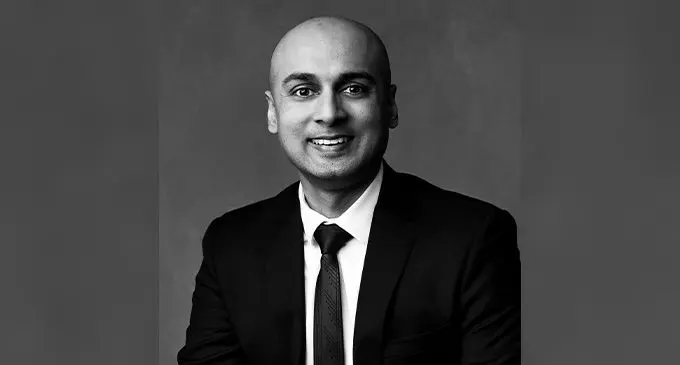
“They are inefficient, and duplicate pre-elections discussion,” said Jonathan Maharaj, founder and chief executive officer for Aurora Financials, an award-winning New Zealand-based accounting and business consulting firm.
“This two-day summit cannot produce meaningful outcomes.”
Related stories
Before national elections, political parties followed a similar research process, he told SunBiz.
“They analyse voter demographics in their region,” Mr Maharaj said.
“Politicians meet with locals, hear their concerns, and eventually a manifesto is compiled with ideas, beliefs, policies and promises.”
A Fijian citizen based in New Zealand, Mr Maharaj said the newly elected Government had one simple task – to deliver promises it made during the election campaign.
“That is what they were elected for,” Mr Maharaj said.
Governance By Summits, Is Concerning
The Government’s dependency on summits and workshops raised several concerns, Mr Maharaj said.
“First, a government should have a pre-existing strategy/vision for the country,” he said.
“Second, these events waste taxpayer resource and provide selective feedback."
“If research was carried out pre-election, political parties would pay their own research costs."
“These events for research after an election show a lack of clear vision/strategy, and reliance on group-think.”
Opinion-Led, Data-Driven Decision Making
The summit featured 12 thematic areas, with less than four hours for discussions, and just 15 minutes for each theme’s presentation.
“Each working group has a different chairperson, and one theme,” Mr Maharaj said.
“The working groups will focus on different areas, but issues are interconnected. An economy doesn’t operate in silo.”
One theme could not be enhanced meaningfully without understanding the priorities of others, he said.
As an example, enhancing Theme 11, which focused on transport, needed an awareness of priorities in Theme 1, which centred on macroeconomic management.
“Outcomes in Theme 2: Key Growth Sectors – Construction rely on infrastructure in Theme 12: Energy / Electricity. Construction projects cannot finish on time if the root causes of power cuts are not addressed,” Mr Maharaj said.
He said a few hours of discussion could not replace the insight from existing Government data.
There Is A Better Way
“A better way is for the Government to focus on answering just one question – How can the Government make more money without relying on taxes?” he said.
“Taxes are the lazy way for a government to earn income."
“They discourage innovation and business growth.”
Mr Maharaj suggested earning more public sector income from other sources and maintain a smaller government with better management of public resources, to improve economic outcomes.
“Solve the money issue first, so that capital can flow freely through the economy, and uplift all sectors in a country,” he said.
“A rising tide lifts all boats, and that can happen to Fiji, if it truly becomes a world-class destination for investment capital."
“The Government should focus primarily on how it can create a high-income earning economy for locals with low or no taxes, to improve outcomes from the poorest to the richest in the country.”
Read the full article here.
Story by: frederica.elbourne@fijisun.com.fj








