Halabe Ahead of the Curve
Meanwhile, the artificial intelligence-operated manufacturing equipment Mr Halabe is to inspect in Brazil involves a coded computer chip, which he likened to a robot.
Monday 05 August 2024 | 16:50

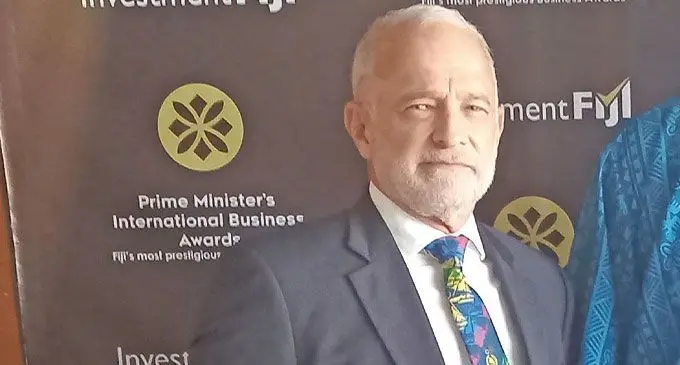
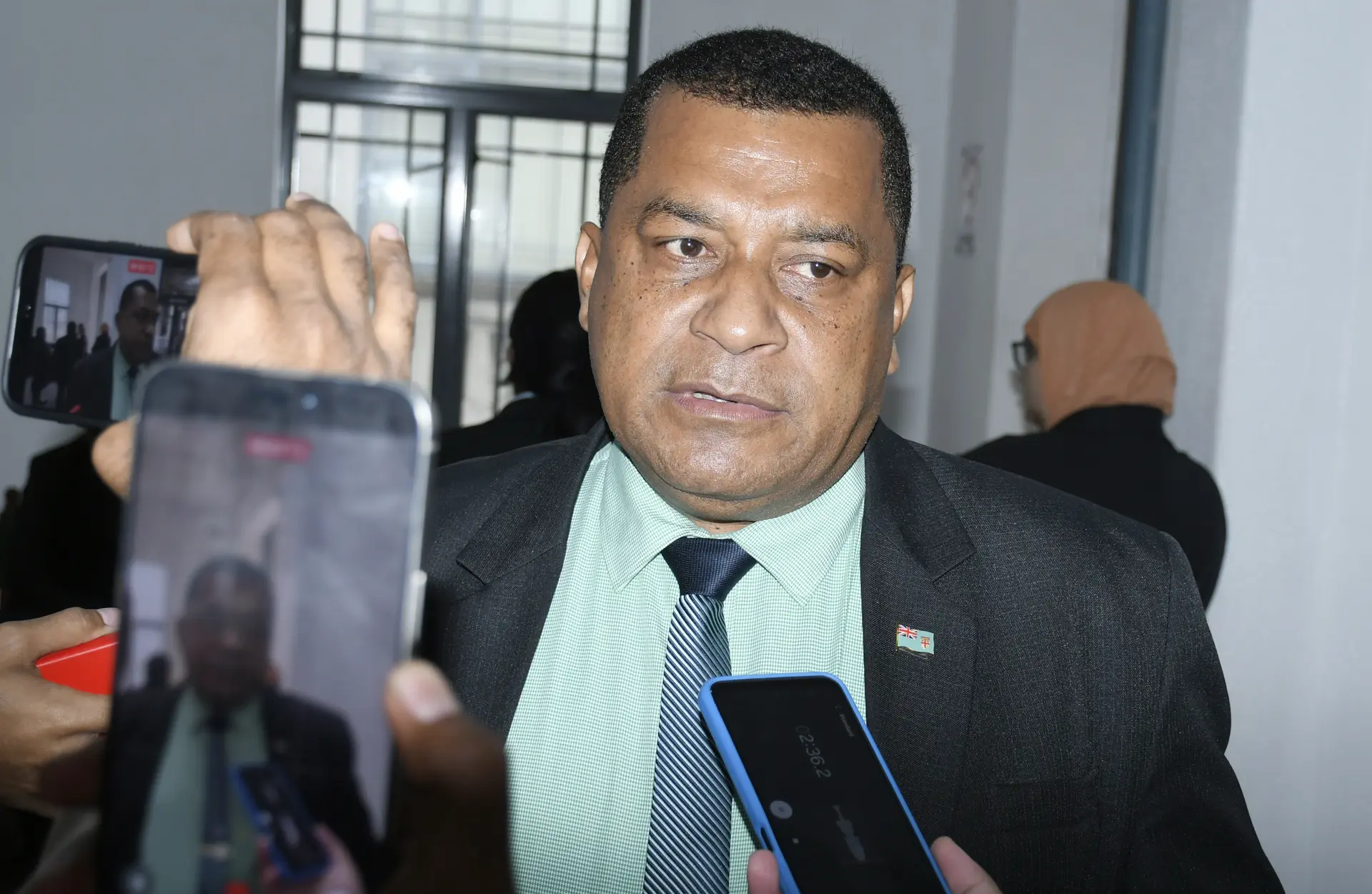
Investment Fiji vice-chairman Mark Halabe. Photo: Frederica Elbourne
Mark Halabe is off to Brazil to look at a particular type of equipment that could boost productivity in Fiji’s garment sector.
The million-dollar investment will “incrementally help” his company, Mark One Apparel, of which he is managing director.
“I’ll grab anything at this point in time to help us keep competitive,” he said.
Related stories
In an earlier statement, Mr Halabe said the export manufacturing industry had a cost implosion in national minimum wages, over the past three years.
He said wages for the same sector in India was 30 per cent less than Fiji.
Meanwhile, the artificial intelligence-operated manufacturing equipment Mr Halabe is to inspect in Brazil involves a coded computer chip, which he likened to a robot.
“Some very exciting projects to keep competitive; we have to have it up and running before the end of the year, “ he said.
“We’re looking for an increase in production.
“We sell by minutes, not by garments; how we deal with minutes determines how we make or lose our money.
“Reducing cost per minute has been the challenge, by removing people from non-productive tasks, like moving fabric from point A to point B, and putting them at sewing machines so that they’re actually doing something.
“Artificial intelligence will improve our productivity by removing no value-added processes in the manufacturing stage.”
Freight and ports
Another leading export manufacturer welcomed the development at Mark One Apparel.
Mike Towler owns and operates Performance Flotation Development (Fiji) Ltd, the Southern hemisphere’s largest maker and exporter of lifejackets.
The managing director for the Nabua-based factory in Suva said high freight costs and poor port facilities were other major issues that compounded the competitive performance of the industry.
“None of this is easy, as it is very capital-hungry,” Mr Towler said.
“We must find a way to fix the structural problems, or we will wither on the manufacturing vine, and die.
“We need a comprehensive national infrastructure plan to include ports, along with other major items like water and sewage, and hospitals.
“We need to engage with our development partners including China, to ensure we are able to access funding that these major donor partners can supply.”
Feedback: frederica.elbourne@fijisun.com.fj