Mobile operators take lead in Fiji remittances
Commercial banks accounted for 36 per cent of inward remittances in 2026, compared with about 80 per cent in 2021.
Thursday 22 October 2026 | 11:30

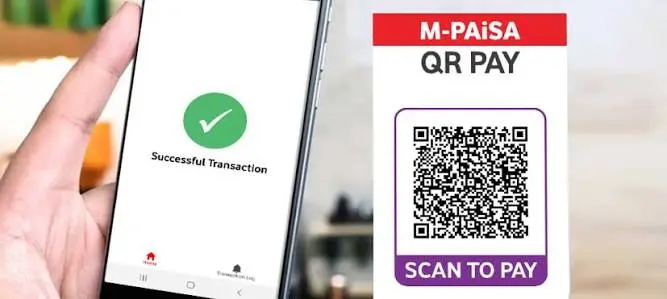
Fiji’s mobile network operators (MNOs) are capturing a growing share of inward remittances, accounting for about 47 per cent of transactions in 2026 as payment reforms reshape how people receive and use money.
Speaking about Fiji’s digital remittance and payments journey, Reserve Bank of Fiji project manager Praneel Prasad said the MNO share had risen from 23 per cent in August 2021, while money transfer operators’ share fell from 59 per cent to 17 per cent over the same period.
Commercial banks accounted for 36 per cent of inward remittance transactions in 2026, compared with about 80 per cent in 2021.
Mr Prasad said the shift reflected the impact of domestic payment reforms, improved interoperability and greater digital access, with the potential to reduce the costs of receiving and using remittances.
“Fiji started the last in the journey. We started way back compared to our Pacific Island countries. But we were able to complete this journey at a much faster pace,” Mr Prasad said.
He said Fiji’s digital payments growth was supported by a young population, mobile connectivity and a service-driven economy.
About 50 per cent of the population is under 29, while 92 per cent has access to 4G services or higher.
The integration of mobile operators with banks has also driven a sharp rise in digital transactions. About 6.25 million transactions were recorded in June 2026, an increase of 152 per cent since January 2024.
“Now when we get our salary to our bank accounts, we do transfer some of it into our mobile wallets,” he said, describing the growing preference for convenience.
However, Mr Prasad said cash remained important, while connectivity challenges across Fiji’s more than 300 islands, cyber risks and consumer protection required continued attention.
He said priorities included strengthening digital resilience, digital identification, electronic customer verification and linking regional payment systems to make cross-border transfers more efficient.