FCEF delivers on 21 TOPEX priorities, says Eastgate
Businesses set to benefit from electricity tariff suspension, fuel-duty concessions and expanded workforce training support.
Monday 23 November 2026 | 12:00


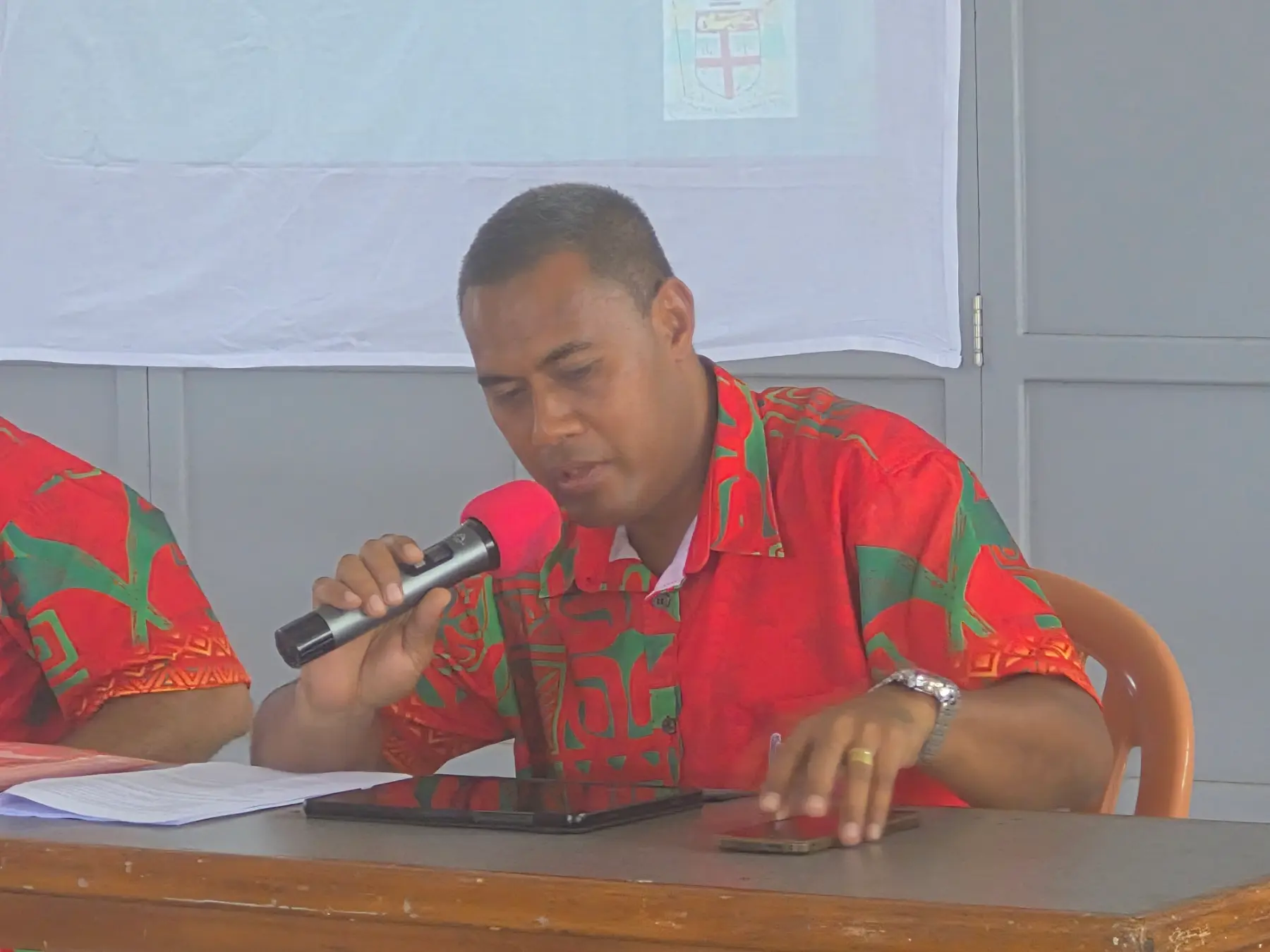
The Fiji Commerce and Employers Federation (FCEF) president Eldon Eastgate
Photo: FCEF
The Fiji Commerce and Employers Federation (FCEF) says 21 of the 26 action areas identified at last year's TOPEX conference have either been completed, are in progress or form part of its ongoing work, as it steps up efforts to improve Fiji's business environment.
FCEF president Eldon Eastgate highlighted the progress in his opening address at TOPEX 2026 at the Sofitel Fiji Resort and Spa, Denarau, on Friday.
He said the work had translated into practical outcomes for businesses, including the suspension of a proposed 34.7 per cent electricity tariff increase, an extension of fuel-duty concessions and additional funding for workforce training.
Related stories
"Most importantly, these efforts have translated into tangible outcomes for businesses across Fiji," Mr Eastgate said.
He said the federation had developed and presented a business case outlining the likely impact of the proposed electricity tariff increase, which was subsequently placed on hold.
Fuel-duty concessions and workforce development
The federation had also advocated for the continuation of fuel-duty concessions for the manufacturing, tourism and mining sectors.
Mr Eastgate said the concessions had been extended to December 31, 2026, with estimated savings of approximately $6 million across the three sectors.
Workforce development was another area where FCEF said its engagement had delivered results.
The National Skills Gap Assessment provided evidence to help Government and employers address labour shortages and skills gaps.
Engagement arising from the assessment contributed to the suspension of five administrative requirements for work-permit applications, reducing recruitment time and costs for businesses.
A joint FCEF-Immigration working committee is also examining issues affecting expatriate spouses and regional students.
On training, Mr Eastgate said FCEF had advocated for the restoration of the one per cent Fiji National University (FNU) levy to its intended purpose of skilling and reskilling Fiji's workforce.
The reinstatement of 50 per cent of the levy in the current National Budget meant approximately $15 million more was available for training.
He said the federation would continue advocating for employer contributions to be directed by genuine labour-market demand and to deliver the skills required by businesses.
Employment regulation
Employment regulation was also a key area of engagement, with the federation working alongside its members and the Parliamentary Committee to improve provisions that could negatively affect businesses, employment and economic growth.
Mr Eastgate said employer representatives on the Employment Relations Advisory Board (ERAB) and the 10 sectoral wages councils would continue supporting balanced, evidence-based implementation of employment policies.
He stressed that wage discussions needed to recognise workers' needs while protecting productivity, competitiveness and the ability of businesses, particularly micro, small and medium enterprises (MSMEs), to sustain employment.
The federation had also worked with Government on the BusinessNow platform, the Trade Information Portal and the development of a Single Window Trade Portal.
On international trade, FCEF had begun discussions with trade agencies in Europe and the United Arab Emirates, supported the EU-Pacific Business Forum and participated in the review of PACER Plus.
Protecting local production, manufacturing and employment
Mr Eastgate said the federation had consistently highlighted the importance of protecting local production, manufacturing and employment.
While acknowledging progress, he said further work was needed in areas such as workplace health initiatives, stronger health partnerships, small and medium enterprise digital readiness and investment policy engagement.
He said partnerships between Government and the private sector remained essential to improving Fiji's economic performance.
"Partnership does not require agreement on every issue. It requires trust, constructive engagement and a shared commitment to finding solutions," he said.
Mr Eastgate also announced that, for the first time in its 12-year history, TOPEX participation was grant claimable.
He said the recognition positioned the conference as an investment in business leadership, workforce capability and business development.
This year's conference is being held under the theme, "Building Forward: Capitalising on Opportunity, Partnering for Growth."
Mr Eastgate said discussions over the two-day conference would focus on economic growth, export competitiveness, artificial intelligence, local industries, wages and employment, regulatory barriers and improving business outcomes.
He challenged delegates to ensure the discussions resulted in clear priorities, responsible ownership and measurable progress.
"If we are serious about building forward, then we must move beyond discussion to action, beyond aspiration to implementation, and beyond individual interests to our shared national interest," he said.