More On The Business Of Sport
Sporting facilities are an issue with every sport and there was some energetic discussion in this area.
Saturday 23 March 2019 | 17:04
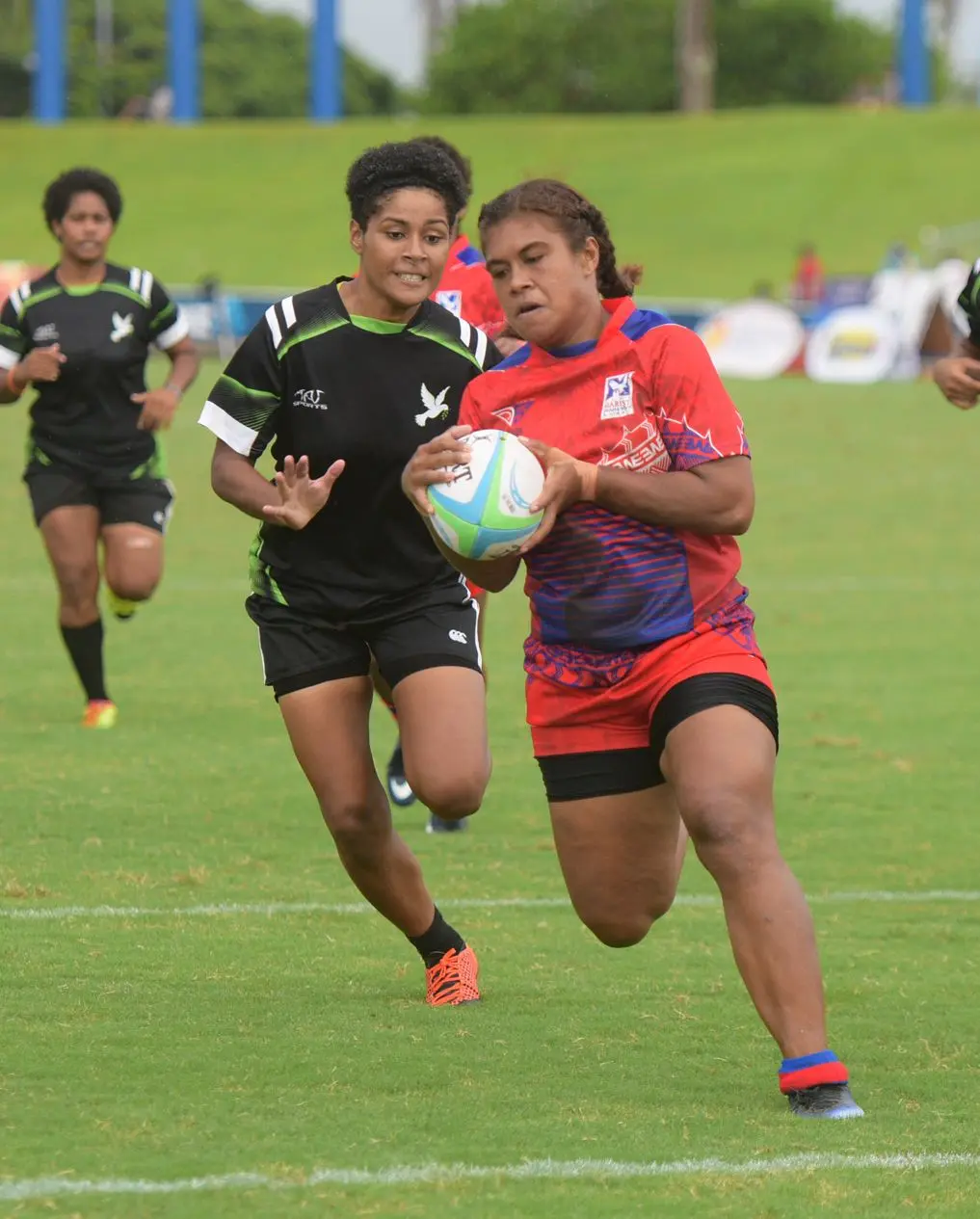
Jiowana Sauto of Marist Seahawks race to try line against Hope during 43rd Fiji Bitter Marist 7s at ANZ Stadium on March 22, 2019. Photo: Ronald Kumar.
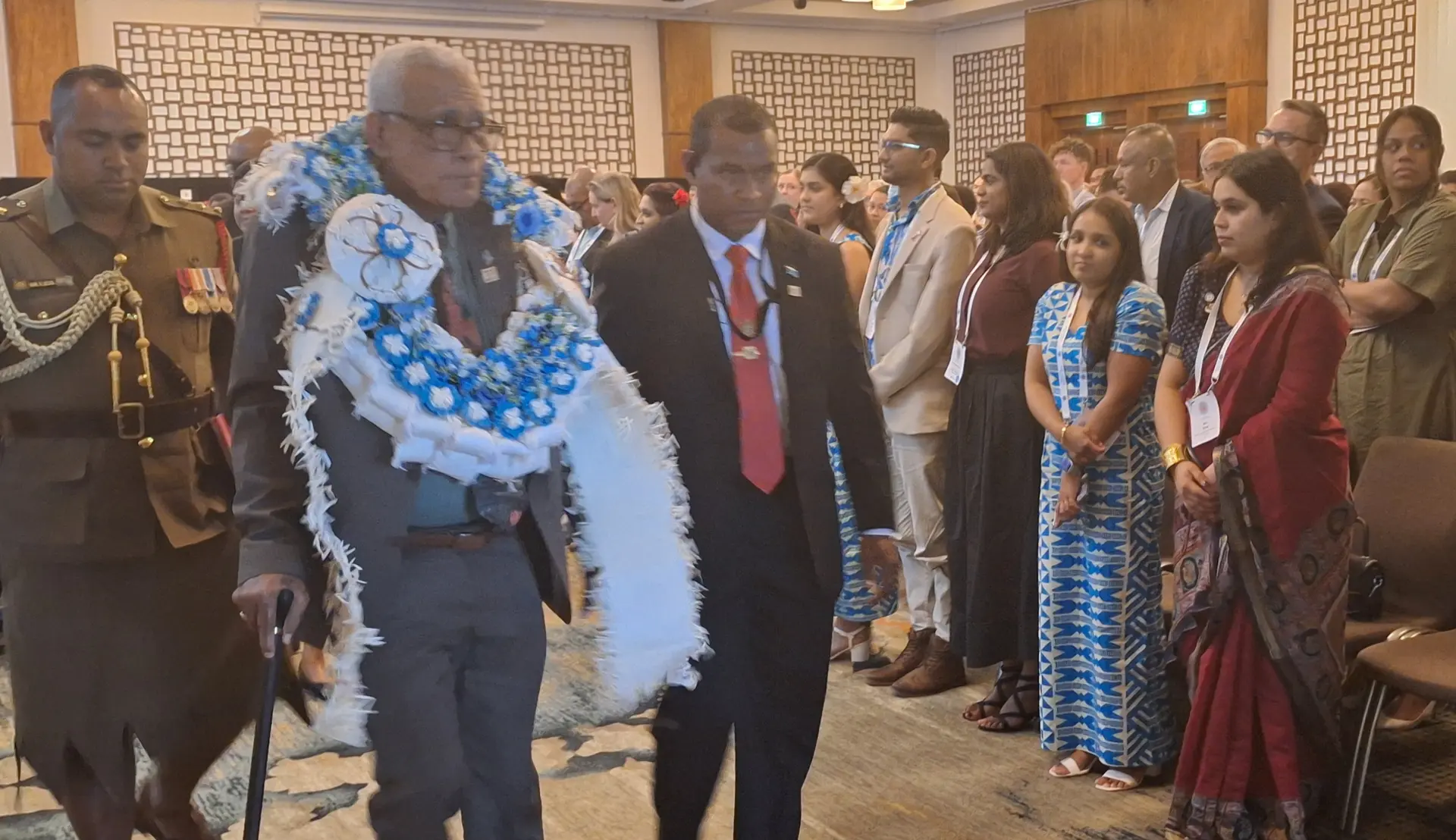
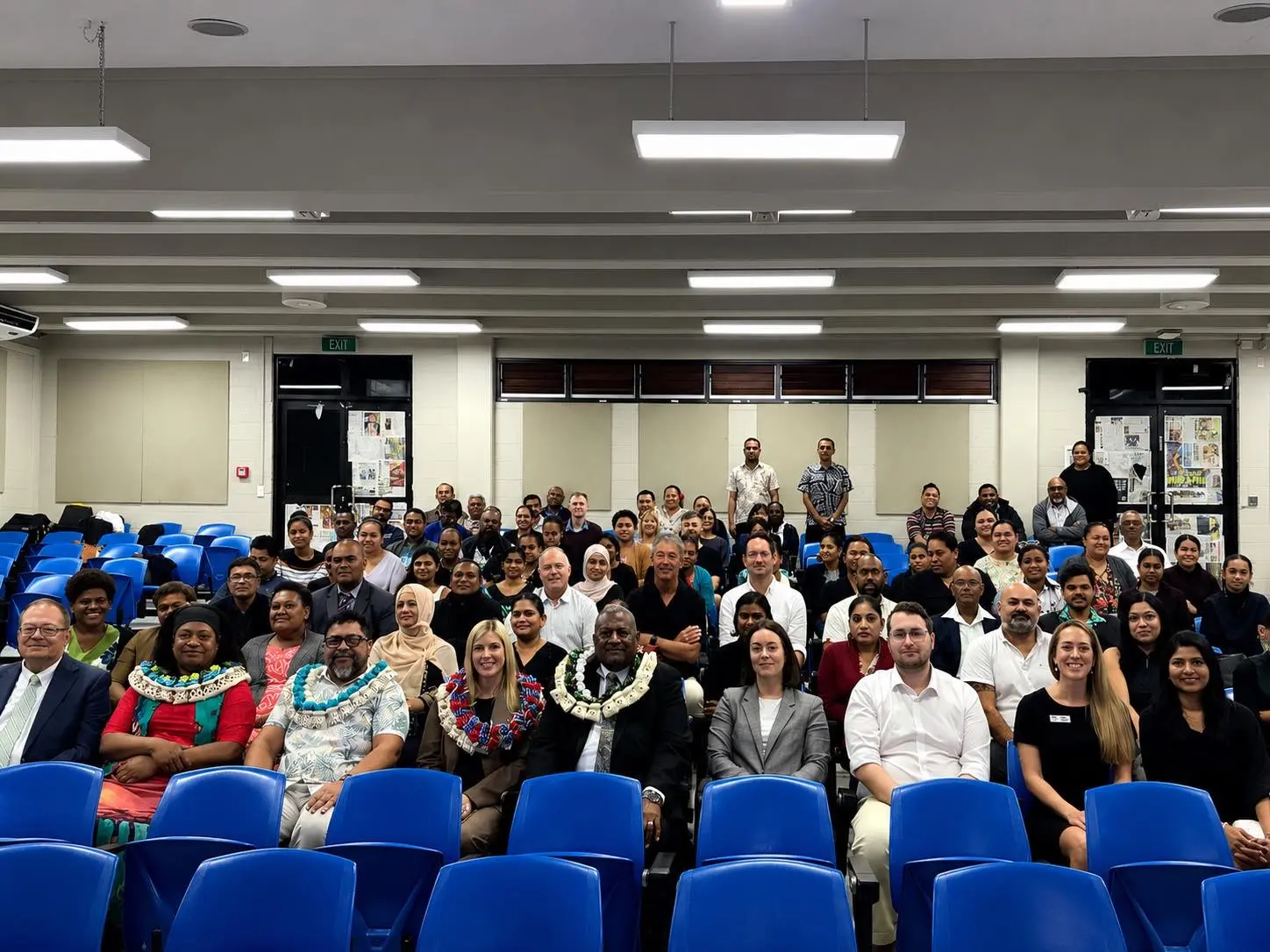
At the Annual Sporting Organisation Conference in Suva on March 9 the delegates felt that a great deal was achieved.
During the lunch break there was a lot of discussion about the various aspects of the sports that were featured in the morning session.
Here was also great enthusiasm from the delegates about the amount of information that was presented by the panels and the way in which it was being presented.
Related stories
Most of the delegates felt that it was the first time they had been allowed to look into the deeper workings of the sporting bodies and excited to see that a lot of the information being provided would easily translate across to their particular sporting disciplines, often without any modification at all.
They could also see how some of the things other bodies were doing would assist them in their job of developing the younger athletes and providing motivation and opportunity with the tools that they already had at their disposal.
There was a general feeling that all sports were having pretty much similar problems, but that some sports had found solutions and some had not.
While in many cases two sports with the same problem had come up with two very different solutions.
Probably the best and most general outcome was that there were a lot of people who could advise them and that from now on they were determined to go out and actively ask for help.
First session
The first session after lunch was designed to deal with sports pathways, inclusiveness, athlete welfare and the player’s development in the sport.
People on the panel described the different ways that their members entered the sport and they all made the point that while there were a significant number of different entry points, even within the same sport.
It was important from the point of view of the sports administrator that every point was opened up for the athlete and that people were not put off or discriminated against because of some of the unusual choices of entry they took.
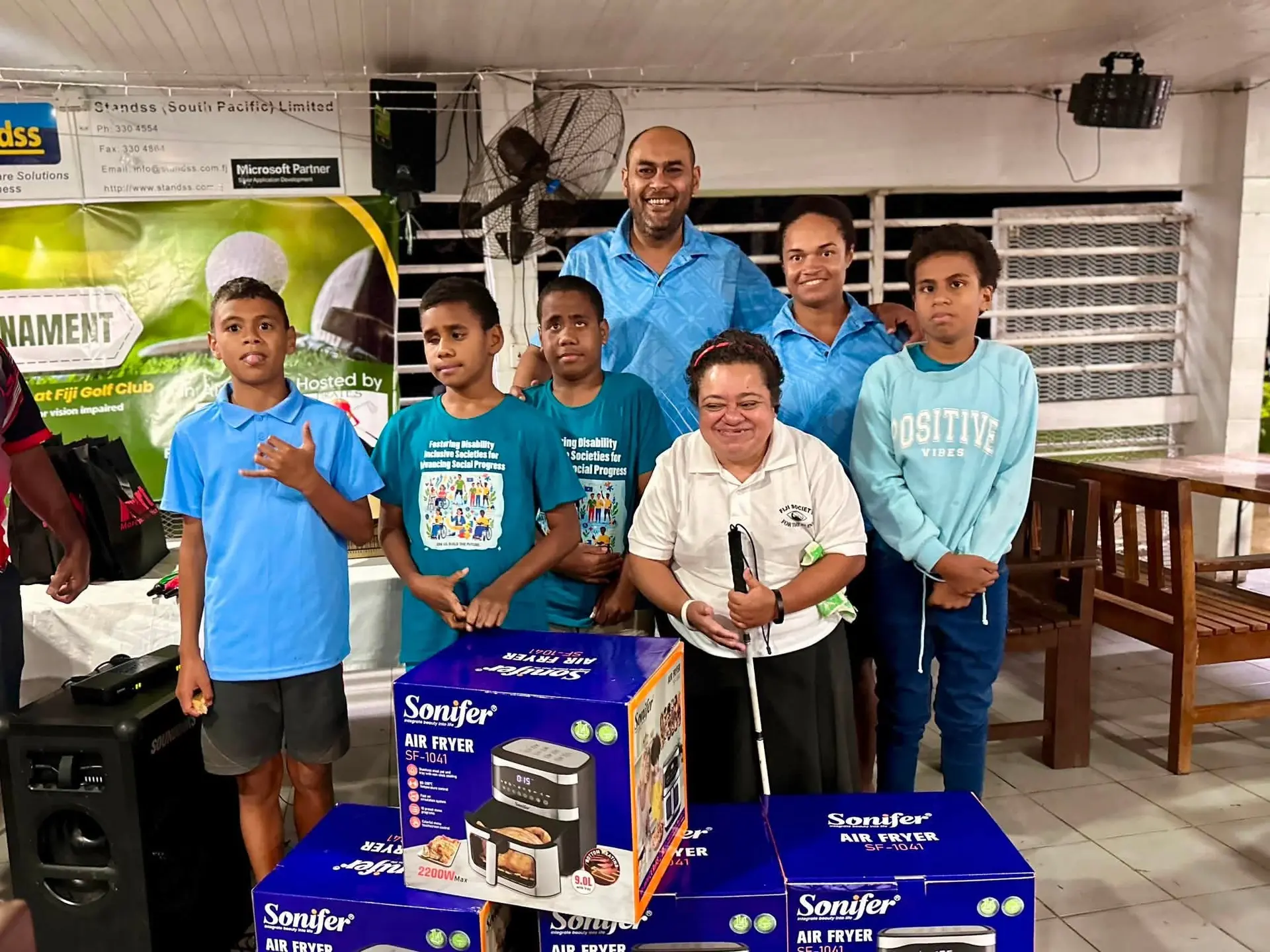
One interesting entry point was a team of deaf rugby players who were now playing on a regular basis with their normally hearing counter parts and were achieving very good results.
One of the main points, that was stressed many times over, was that it was critical that every athlete, regardless of the entry point they used and how unexpected it was, had to end up included in the group or team.
A number of examples of sports that had successfully developed an inclusive attitude were covered.
Some sports did require changes to the place the sport was played and some needed to make changes to equipment.
But as long as these things were within the rules of the game and other players were not disadvantaged by the changes.
Then it was generally felt that administrators should be actively seeking ways to increase inclusiveness in their sport.
Some sports have taken the concept of inclusiveness a long way, with table tennis leading the way.
For the sport of table tennis they needed to look at the mechanics of using a wheelchair on the court and providing additional room to manoeuvre.
The use of the wheelchair also bought up questions of table height.
The height set in the rules did not perfectly match the level needed to play certain shots from a wheelchair, so some adjustments had to be made.
But overall, the changes required to increase the inclusiveness in table tennis were small when compared to the benefits the athletes gained.
This panel also looked at the important area of athlete welfare, of providing conditions within the sport where they could perform well without the risk of injury of any physical damage from the environment in which the sport is played.
But a number of panellists went further and made the point that it was the responsibility of the sport to ensure that there was no bullying, that the countries rules of respect and non-discrimination were in place at all times.
Development of athletes
The development of every athlete was also considered a priority by the panels and it was seen as necessary that programme and systems were in place to ensure planned growth and the opportunity for each athlete to develop as they wanted within the sports.
The next and last panel addressed the Laws of the Game, Sports Facilities and Sports policies.
The point was made by a number of the people on the panel that there are two equally important sets of rules that apply in every sport and that both must be followed by every sporting body.
The first are set by the sporting body itself and are the rules by which that particular sport is played.
These vary widely be different sports, some are team rules while others demand only individual performance, some are complex (like the rules of Chess) while others may be open to individual interpretation by each competitor, but all exist to bring order to the game and need to be addressed by every athlete.
Over these set of rules are those that apply to all sporting bodies and are set by the National Bodies such as FASANOC, ONOC, Fiji Sports Commission and the individual sports ruling body.
There was a lot of discussion about where the authority of each of the national bodies fell and the care that needed to be taken to ensure that both sets were observed in the administration of each sport.
Sporting facilities are an issue with every sport and there was some energetic discussion in this area.
All sporting facilities of any value are the property of the Fiji Sports Commission and by large are run by them and maintained by them and care has to be taken to protect the Commission’s investment.
In a number of cases, equipment in the hands of individual clubs, has been lost or damaged and the replacement stretches the Commission budget.
The Commission has a strategic plan for handling and maintaining these assets and is always open to discussion with the sporting bodies in the planning stages.
The conference was a great success with an open and fruitful exchange of ideas between all of the elements involved across the full spectrum of sport in Fiji.
There are moves to make the next meeting a two day event, so that all the issues can be addressed in detail.
Feedback: maraia.vula@fijisun.com.fj