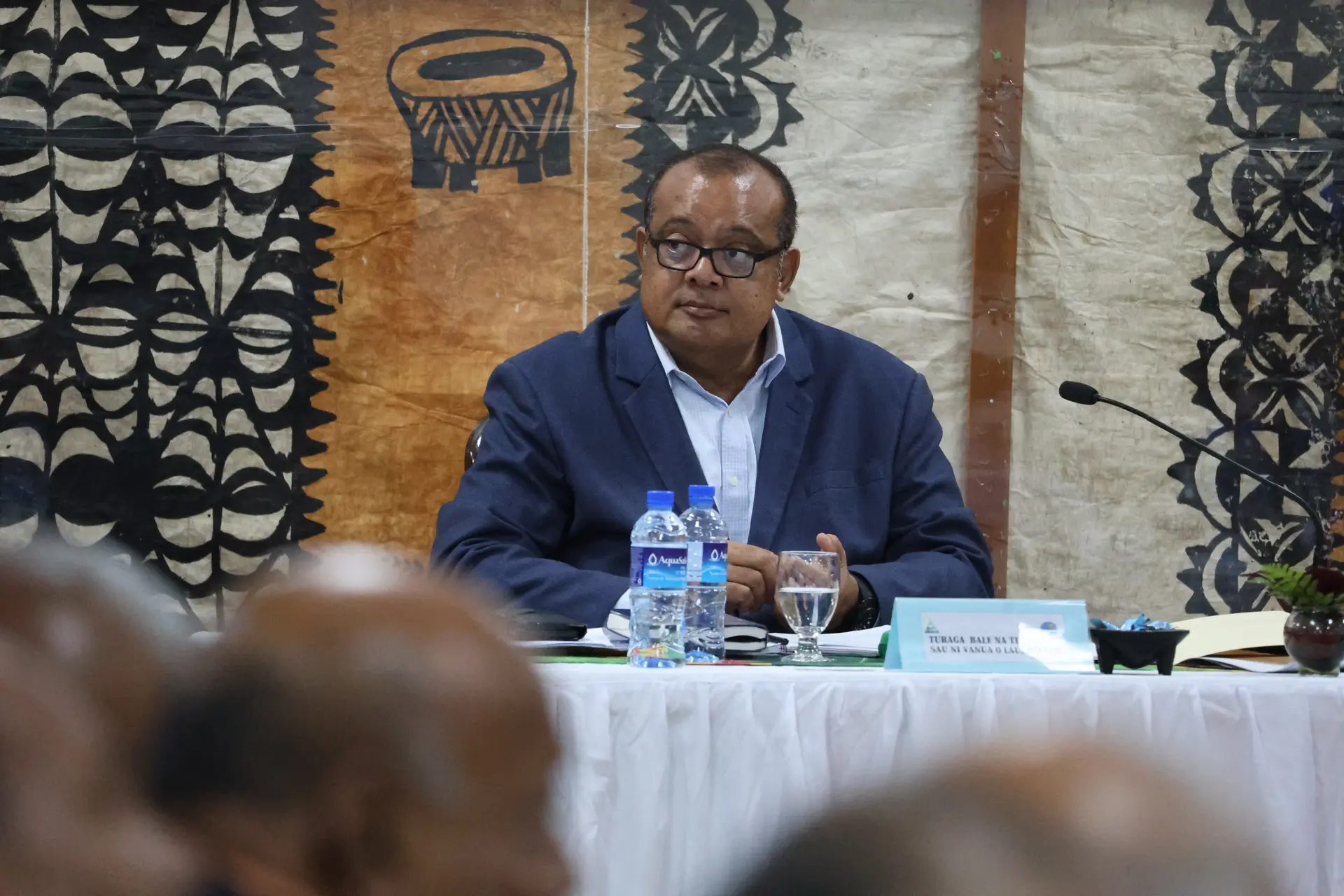
Move beyond traditional practise: Halabe
"We need to focus harder on spreading our economic risk by reigniting the agricultural sector and tapping into the vast potential of our Blue Economy.
Saturday 17 January 2026 | 17:00

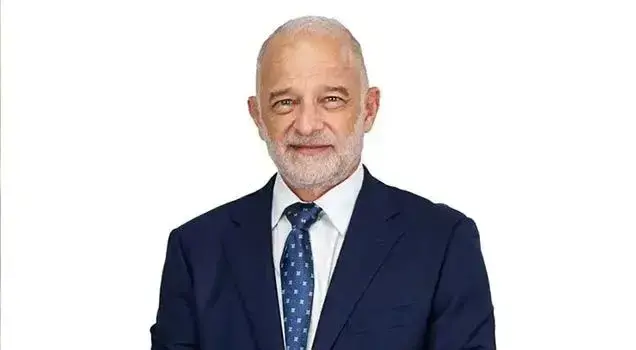
"Historically; election years in Fiji bring a unique economic rhythm," Mr Halabe said.
"We can anticipate an expansionary fiscal stance as the Government focuses on public welfare and infrastructure projects, which often provides a short-term boost to domestic consumption. "However, the true test for 2026 will be maintaining investor confidence amidst the political noise."
Markets generally appreciate certainty; so the more the current and aspiring leadership could signal policy consistency; the better the outcome for our long-term projects, Mr Halabe said.
Perhaps most importantly; 2026 must be the year to commit to a more aggressive diversification of the economy; Mr Halabe said.
"While tourism is our backbone, our heavy reliance on it leaves us exposed to global shocks," he said.
"We need to focus harder on spreading our economic risk by reigniting the agricultural sector and tapping into the vast potential of our Blue Economy.
"This means moving beyond subsistence farming and traditional fishing to transform Fiji into a regional hub for high-value agri-exports and sustainable ocean resourc- es."
By investing in processing facilities, offshore aquaculture, and modern supply chains, Fiji could ensure it was not just harvesting from land and sea, but building sophisticated industries that provide a secondary pillar for its gross domestic product, Mr Halabe said.
"I am also intrigued by the potential for energy independence," Mr Halabe said.
"As Carl Probert has recently outlined, the possibility of tapping into our own natural gas reserves could be a massive game-changer for Fiji.
"If we can successfully tran sition from being purely an importer of energy to discovering and utilising our own domestic gas, the ripple effects on our manufacturing costs and energy security would be profound."
The search for gas should run parallel with a renewed intensity in Fiji's renewable energy mix, Mr Halabe said.
"By 2026, we should be seeing more runs on the board with solar; wind, and hydropower projects that lower our reliance on expensive (more than F$1 billion annually) diesel imports," he said.
"There is also great untapped potential in geothermal energy that could provide the consistent base-load power our industries crave that needs to seriously be included in our energy mix."
Recent global events, such as the US takeover of Venezuela's oil resources, serve as a stark reminder of how volatile global energy markets can be.
"For a small island nation like Fiji, these geopolitical shifts will lead to sudden price hikes at the pump and unrecoverable losses for our electricity costs," Mr Halabe said. "However, the risk to Fiji will be significantly improved if we prioritised energy localisation.
"By building a multi-pronged energy strategy as Fiji's leaders of the past generation did with the visionary construction of Monasavu, we create a shield against these external shocks."
Combining the traditional strength of hydro with the modern scalability of solar, wind, domestic gas, and thermal power was exactly the kind of industrial fuel Fiji needed to lower the cost of living for everyday Fijians and support our other growth sectors, Mr Halabe said.
"This discussion must be had as we start with real dialogue with the Fijian Competition and Consumer Commission, on the review of power rate increases for 2026," he said.