Study Visa-Fiji Behind the Curtain
The education sector in Fiji has been inundated with migration agents numbering in the hundreds, all peddling the dream of an easy passage to Australia through study visas.
Sunday 28 April 2024 | 10:32
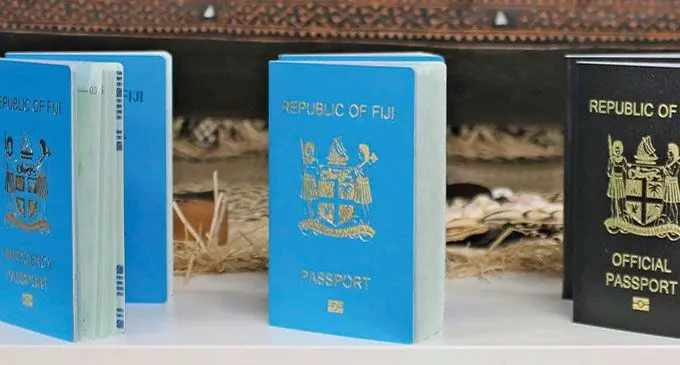
In recent years, Fiji has seen a surge in interest among its populace in pursuing education opportunities in Australia.
With promises of lucrative prospects and a pathway to permanent residency, many have been enticed by the allure of a brighter future abroad.
However, beneath the surface lies a stark reality, one where unsuspecting students are drawn into a web of deceit and exploitation.
Related stories
The education sector in Fiji has been inundated with migration agents numbering in the hundreds, all peddling the dream of an easy passage to Australia through study visas.
These agents tout vocational courses in various fields such as Cookery, Aged Care, Leadership, IT, Carpentry, and Automotive as the golden ticket to success overseas.
However, the truth behind these promises is far from what meets the eye.
While initial pitches often highlight affordable education and the guarantee of a visa, closer inspection reveals a different story.
Students are often misled into enrolling in costly vocational courses with dubious outcomes.
How they are misled
For example, a Certificate III in Carpentry coupled with a Diploma of Building Management may be advertised at an astronomical price of $47,000 AUD, a staggering amount compared to similar offerings at Fiji National University (FNU).
What’s even more concerning is the targeted approach towards vulnerable demographics, including school dropouts and individuals lacking proper career guidance.
Instead of being encouraged to pursue higher education pathways, these students are coerced into vocational courses without fully understanding the long-term consequences.
For instance, while a Bachelor’s degree could potentially lead to a Temporary Residency (TR) visa valid for three years, students are often persuaded to opt for Certificate III and Diploma packages with promises of guaranteed permanent residency.
However, the reality is often far from what is promised, leaving students burdened with debt and dashed dreams.
The repercussions extend beyond just financial losses.
Students find themselves trapped in a cycle of unfulfilled promises, with their credibility tarnished and their futures uncertain.
It’s time to shed light on this dark corner of the education industry and demand accountability from those who prey on the aspirations of students.
Education should be a tool for empowerment, not exploitation.
As we navigate the complex landscape of educational migration, it’s imperative that we strive for transparency, integrity, and genuine opportunities for those seeking to broaden their horizons.
Let us advocate for a system that uplifts and supports students on their journey towards a better future, rather than one that profits off their dreams.
This is what is behind the curtain.
The lucrative commission structure in the vocational education and training (VET) sector sheds light on the motivations behind the aggressive marketing of these courses.
With agents earning hefty commissions ranging from 30 per cent to even 40 per cent of the total tuition fees, it’s clear why there’s such a push towards vocational courses.
Let’s break down the numbers: Suppose a student enrolls in a Diploma and Advanced Diploma of IT, with a total tuition fee of $25,000 for two years.
If the agent’s commission is 30 per cent, they would pocket $7500 from that single student.
Now, multiply this by the average number of students a typical agency processes, say 150. That’s a staggering $1.1 million in commissions alone.
But it doesn’t stop there. Agencies often set targets for their agents, offering bonuses for achieving certain milestones.
For instance, if an agent manages to recruit 100 students in a year, they could receive a bonus of $1,000 per student, totalling $100,000.
Additionally, there’s a strategy known as “coaching” where students are encouraged to switch courses, resulting in another commission for the agent.
This cycle of recruitment and course switching perpetuates the flow of money into the hands of agents.
However, it’s essential to recognise the real-world consequences of this commission-driven system.
Students, lured by promises of an easy pathway to Australia and permanent residency, find themselves ensnared in a cycle of debt and unfulfilled promises.
Instead of investing in higher education that could lead to more stable and rewarding careers, they opt for quick-fix vocational courses that often lead nowhere.
When you look around, you’ll notice that the majority of students from other nationalities are pursuing higher education, recognising the value it holds in the long run.
It’s time for prospective students to pause and critically evaluate their options, seeking education pathways that prioritise their long-term goals over short-term gains for others
The package deal, offering two Confirmation of Enrolment (COE) certificates, comes with its own set of restrictions and financial implications that are sometimes overlooked in the excitement of planning for the future.
The premise behind the two-COE package is to lock students into a course for a specified duration, typically around a year and a half.
This ensures a steady stream of revenue for both the education provider and the agent, as students commit to paying tuition fees for the prescribed period.
However, what often gets obscured in this arrangement is the limited flexibility for students to change courses or institutions if their circumstances or interests evolve over time.
By committing to a package deal, students forfeit the freedom to explore alternative educational pathways, potentially hindering their academic and career aspirations.
Furthermore, the financial burden of committing to an extended period of study without the option to change courses can weigh heavily on students, particularly if they find themselves dissatisfied with the program or facing unforeseen challenges.
Understanding terms and conditions
It’s essential for prospective students to approach the Australian Study Visa process with a clear understanding of the terms and conditions associated with package deals.
While the allure of a guaranteed pathway to Australia may seem enticing, it’s crucial to carefully evaluate the long-term implications and ensure that the chosen educational pathway aligns with one’s goals and aspirations.
By being informed and discerning consumers, students can avoid falling prey to marketing tactics that prioritise profit over the individual needs and interests of the student population.
Ultimately, education should be a journey of self-discovery and growth, one that empowers individuals to pursue their passions and achieve their full potential.
Wake up Fijians, some 100 of us Fiji students filled an agents pocket with 1M.
They came in numbers and sold you least wanted study product with a huge mark up.
A personal journey of growth: Transitioning towards empowerment in education consultancy
Arriving in Australia, I was offered a role as an Education Consultant, excited to embark on a career that aligned with my passion for guiding individuals towards educational opportunities abroad.
However, as I settled into my new role, I soon found myself caught up in a system that prioritised the marketing of vocational education and training (VET) courses, often without considering the long-term implications for students’ careers.
Reflecting on my journey, I recognise that my early actions may have inadvertently contributed to downgrading someone’s career aspirations, for which I extend my heartfelt apologies. It was a moment of introspection that spurred me to reassess my approach and seek opportunities for positive change.
Observing the pervasive promotion of VET courses within the industry, I realised the need to pivot towards advocating for higher education options such as masters and bachelor’s programmes.
In doing so, I aimed to provide individuals with pathways that offered genuine benefits both in Australia and upon their return to their home countries.
As I transitioned towards promoting higher education opportunities, I made it a priority to offer comprehensive, market-researched counselling to my clients.
I recognised the importance of including not only the individual but also their family and spouse in the application process, ensuring a holistic approach to education planning.
Through these efforts, I am proud to have guided many individuals towards higher education opportunities that have enriched their lives and careers.
Whether in Australia or upon returning home, the choices made have opened doors to a brighter future founded on principles of integrity and genuine care for each individual client.
To current students navigating the education migration journey, I offer a word of advice: seek guidance from counsellors who prioritise your personal and professional growth.
Investing in the expertise of a registered educational counsellor can provide invaluable insights and empower you to make informed decisions about your educational pathway.
Beware of red flags, such as agents who delay providing guidance until the completion of a course. Your education and future career are too important to leave to chance.
By seeking professional advice and staying vigilant, you can embark on a journey of education migration that truly empowers and uplifts you towards your aspirations.
By: Neechal Kumar
- The writer, who is originally from Tumavia, Nakelo, Nausori, is an Education Counsellor with Vision Consultants Australia. He has had tenure within the Fiji Immigration Department as a Research and Development Officer.
Feedback: frederica.elbourne@fijisun.com.fj