Abolish FICAC or remove prosecutorial powers: Fiji Law Society to CRC
Submission recommends changes to anti-corruption body and restoration of Ombudsman’s Office
Monday 29 June 2026 | 14:00

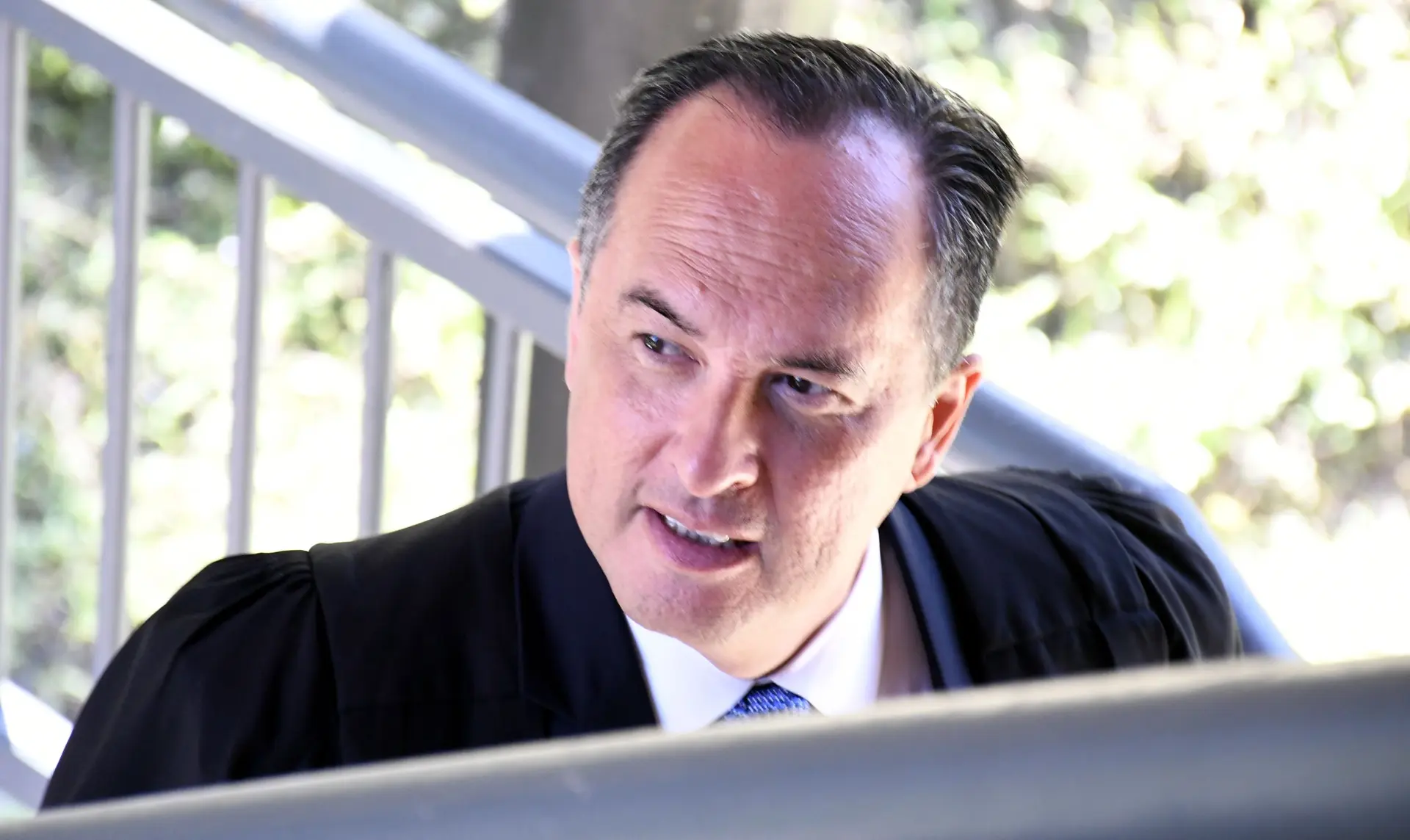
The Fiji Law Society (FLS) has questioned the future of Fiji’s anti-corruption watchdog.
It recommended that the Fiji Independent Commission Against Corruption (FICAC) be abolished or stripped of its prosecutorial powers to protect institutional independence and public confidence.
Presenting the society’s submission to the Constitutional Review Commission today, FLS president William Wylie Clarke said Fiji’s constitutional framework should strengthen independent institutions that uphold transparency, the rule of law and accountability.
The society recommended that FICAC’s functions be transferred to constitutionally appropriate institutions.
“The society recommends that the commission consider whether FICAC should be abolished altogether and its functions reallocated to constitutionally appropriate institutions,” Mr Clarke said.
He said while anti-corruption enforcement remained essential, it needed to be independent, procedurally fair and protected from actual or perceived political influence.
If FICAC was retained, Mr Clarke said its role should be limited to investigations, with prosecution decisions left solely to the Director of Public Prosecutions.
He said the absence of publicly available prosecution guidelines further supported the case for removing FICAC’s prosecutorial powers.
Position on Ombudsman
The society also called for the restoration of the Office of the Ombudsman, saying Fiji lacked an independent institution dedicated to investigating maladministration in the public sector.
Mr Clarke said the Ombudsman should investigate issues including unreasonable delays, abuse of discretion, unfair administrative action, failure to provide reasons for decisions and systemic failures in public administration.
“The only mechanism currently available to challenge executive action is through the courts, and the courts are overburdened and under-resourced,” he said.
He said an Ombudsman’s Office would provide a more accessible avenue for complaints against public authorities while complementing existing accountability institutions.
During the consultation, Mr Clarke said the removal of the Ombudsman’s Office under the current constitutional framework had created a significant gap in oversight.
“It certainly created a big gap that ought to be filled,” he said.
The Fiji Law Society said Fiji’s next Constitution should strengthen institutions that safeguard accountability while preserving the rule of law and public confidence in government.