Court clarifies digital evidence rules in drug import case
Prosecutors say they will seek consent before conducting a fresh extraction of mobile phone data.
Tuesday 30 June 2026 | 15:00
Updated 30 June 2026 | 16:03 FJT


The prosecution intends to conduct a second extraction of data from a mobile phone in a major drug case after the High Court clarified the requirements for searches under the Cybercrime Act.
Seven people are before the High Court in Lautoka in relation to the alleged unlawful importation of illicit drugs. The matter was heard today before Justice Aruna Aluthge.
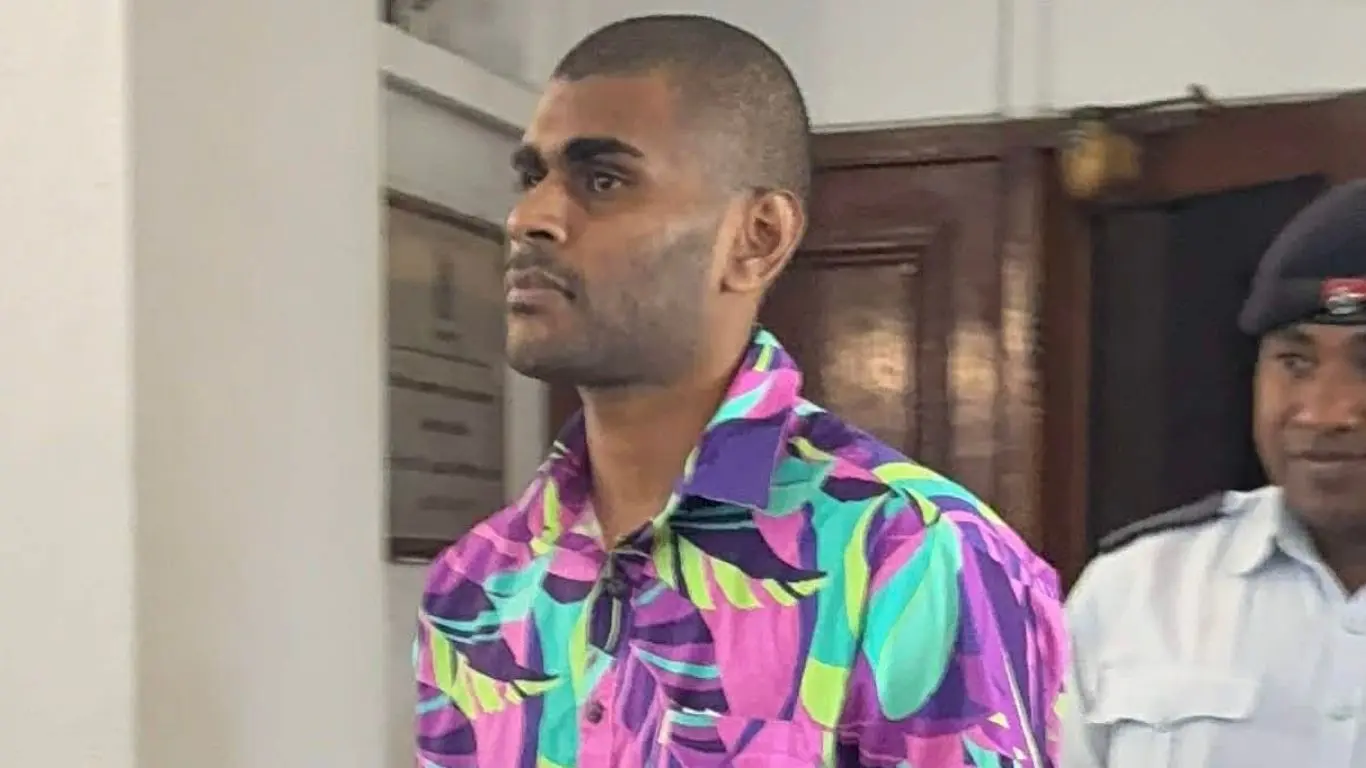
The accused are Chukwuemeka Ikenna Phabian, Apenisa Laisave Matadigo, Uraia Tuidama Bolalailai, Neumi Donumainasava and Osea Raikama Dakai. They are represented by Fortes Law, Valenitabua & Associates and the Legal Aid Commission.
Related stories
Dakai is charged with importing more than 4.8 kilograms of methamphetamine. It is alleged that between March 30 and May 16, 2025, in Nadi, he imported 4.8685 kilograms of methamphetamine without lawful authority.
He also faces a charge of unlawful engagement in dealing in illicit drugs. Matadigo, Bolalailai, Donumainasava and Dakai are jointly charged with engaging in the importation of methamphetamine between March 30 and May 16, 2025, in Suva and Nadi.
Dakai, a former chief customs officer with the Fiji Revenue and Customs Service (FRCS), is further charged with breach of secrecy.
It is alleged that between May 3 and May 16, 2025, in Suva and Nadi, he unlawfully disclosed confidential information obtained during the course of his employment with FRCS.
Two other accused, Are Tania and Viliame Nalagi, have been granted immunity and are expected to give evidence for the prosecution.
A key issue before the court was the admissibility of digital evidence under the Cybercrime Act, with Justice Aluthge emphasising that searches of electronic devices must be supported by informed and voluntary consent or lawful authority.
State prosecutor John Rabuku told the court that investigators intended to carry out a second extraction of data from a mobile phone following the court's ruling.
"We are going to conduct another extraction, but we have to seek proper consent. Before that, we wanted to read your ruling on the provisions of the Cybercrime Act. Now that we have your ruling, we will consider whether to proceed with a second extraction by way of consent," Mr Rabuku said.
"If consent is not obtained, we will obtain a proper search warrant from the Magistrates Court. Once the warrant is issued, we will conduct the extraction and then file the disclosures relating to the second extraction."
Defence lawyer Una Baleilevuka, representing Phabian, sought a supervised inspection of specific messages and videos stored on a mobile phone, arguing that the USB material disclosed by the prosecution was incomplete.
She told the court the defence specifically sought access to communications between Pastor Thomas and immunity witness Viliame Nalagi.
"Our application is based on specific concerns and not speculation," Ms Baleilevuka said.
Justice Aluthge acknowledged the defence's right to inspect digital evidence where it may be relevant to the case, but stressed that the privacy rights of third parties must also be protected.
The judge said individuals whose devices or private communications could be affected should be made parties to any application seeking access.
The court also directed the defence to identify the specific digital material it wished to inspect to enable a targeted and supervised review.
Justice Aluthge said transparency and completeness in the disclosure of electronic evidence were essential to ensuring a fair trial, while the handling of both physical and digital evidence must avoid prejudice and ensure equal access for all parties.
The matter was adjourned to July 20 for ruling.