Defence cites health risks in rape sentencing of Nadi businessman
Defence lawyers told the High Court imprisonment could pose life-threatening risks for convicted businessman Lekh Ram Narayan because of serious medical conditions.
Thursday 28 May 2026 | 06:00
Updated 28 May 2026 | 10:54 FJT

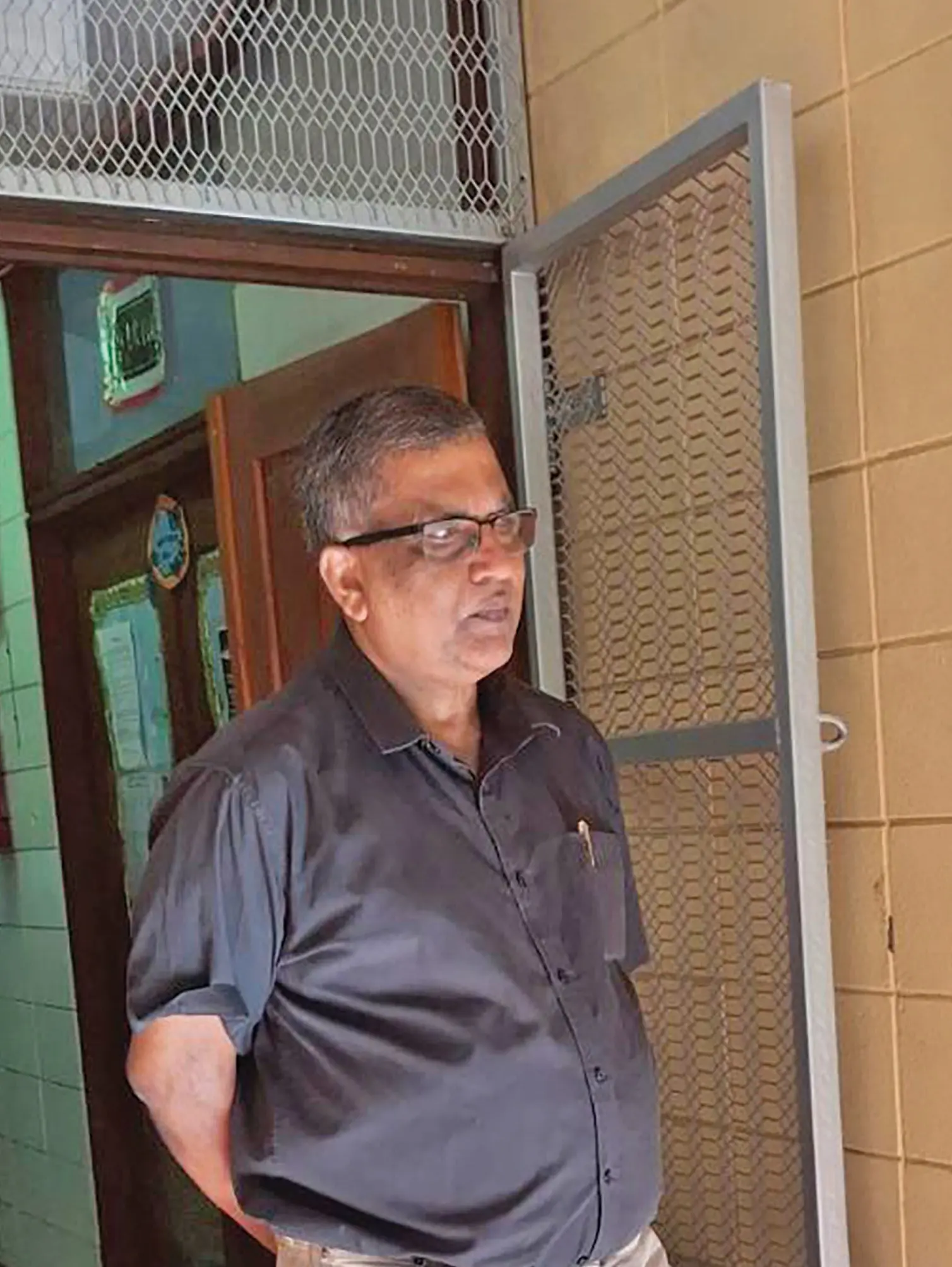
Nadi businessman Lekh Ram Narayan outside the High Court in Lautoka.
Photo: Mereleki Nai
A defence lawyer has argued that imprisoning a Nadi businessman convicted of rape could put his life at serious risk due to multiple complex health conditions.
The High Court in Lautoka heard sentencing submissions for Lekh Ram Narayan, who was found guilty of one count each of rape and attempted rape involving an employee.
The matter was presided over by Justice Sekonaia Vodokisolomone.
Related stories
The offences were alleged to have occurred between December 2018 and January 2019.
Defence lawyer Wasu Pillay presented detailed sentencing submissions, arguing that Narayan’s serious medical conditions were incompatible with imprisonment.
Mr Pillay told the court his client had a history of kidney transplant surgery, advanced cardiac disease, severe diabetes and other health complications.
He argued imprisonment could pose life-threatening risks because of concerns over access to medical care and nutrition in prison.
The defence also highlighted Narayan’s compliance with bail conditions over the past eight years, arguing the prolonged restrictions had imposed significant psychological, financial and personal burdens.
Mr Pillay said Narayan had no prior criminal history and presented character references from professionals and business executives describing the offences as an isolated incident.
The court heard Narayan had contributed to the construction of TappooCity Suva, schools, churches and affordable housing projects, while employing more than 1000 people through his construction business.
The defence also said Narayan had been involved in Government-endorsed public-private partnership projects aimed at providing affordable housing.
Mr Pillay urged the court to consider alternatives to imprisonment, arguing sentencing should balance punishment, deterrence, rehabilitation, community protection and denunciation under the Sentencing and Penalties Act.
“The defence acknowledges the seriousness of the offence and does not seek to minimise the crime, but asks the court to impose a just and proportionate sentence,” Mr Pillay said.
The defence is expected to formally apply for bail pending sentencing.
Justice Vodokisolomone is expected to consider the submissions and character references before delivering a decision.