Ex-health officials give evidence on 2011 tender approval
Former permanent secretary and deputy secretary detail ministerial urgency, evaluation process in court testimony
Thursday 16 April 2026 | 06:30

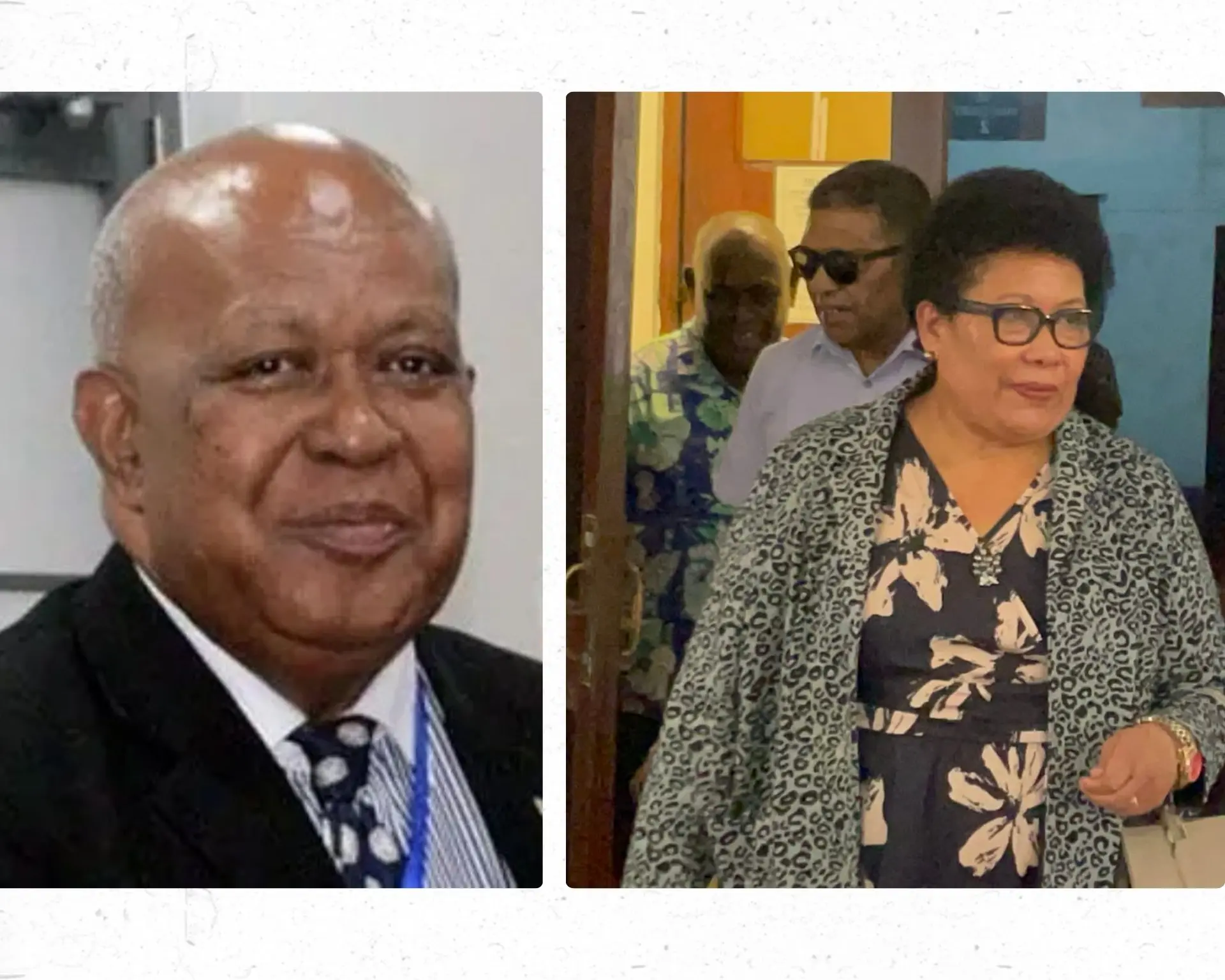
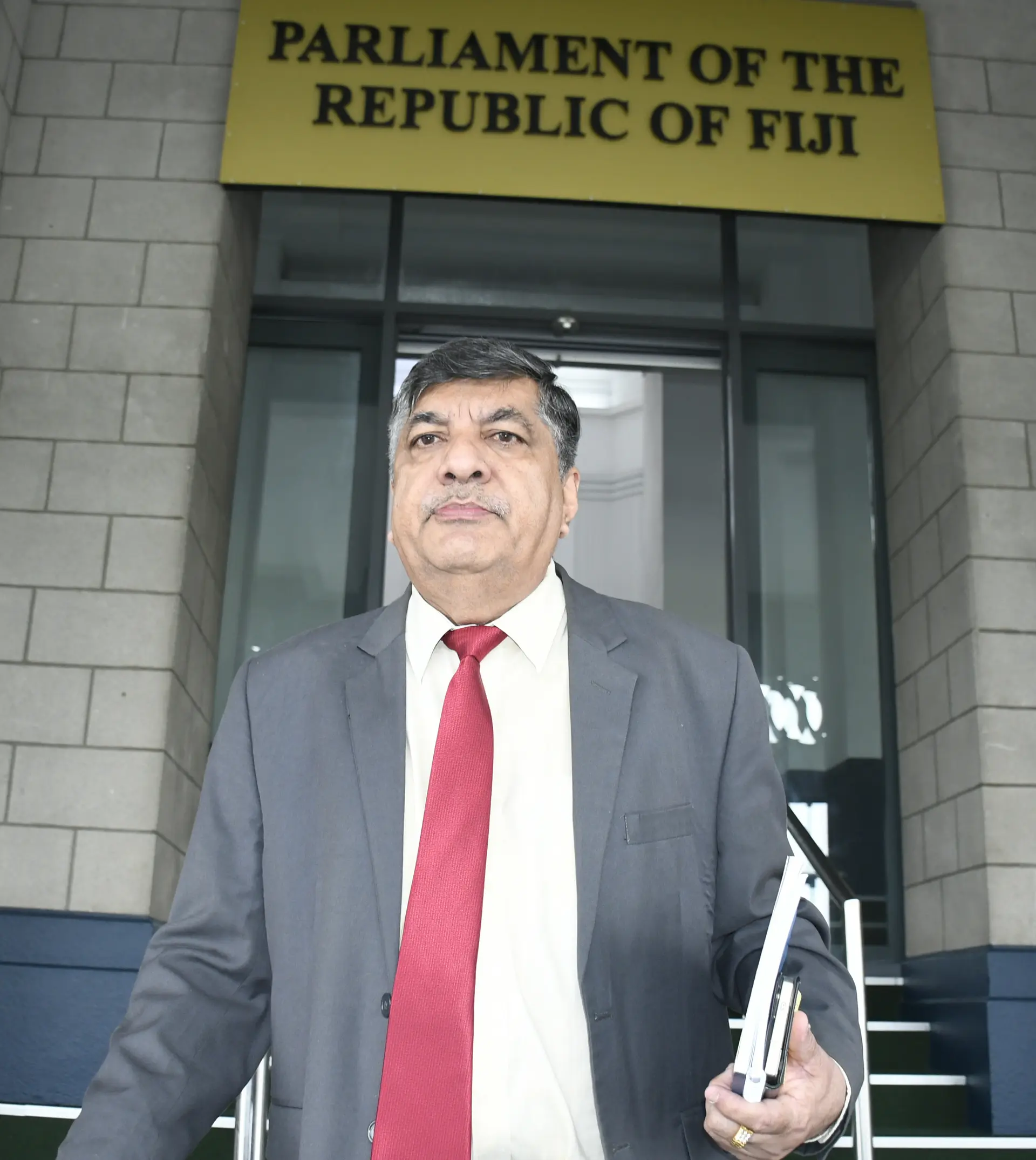
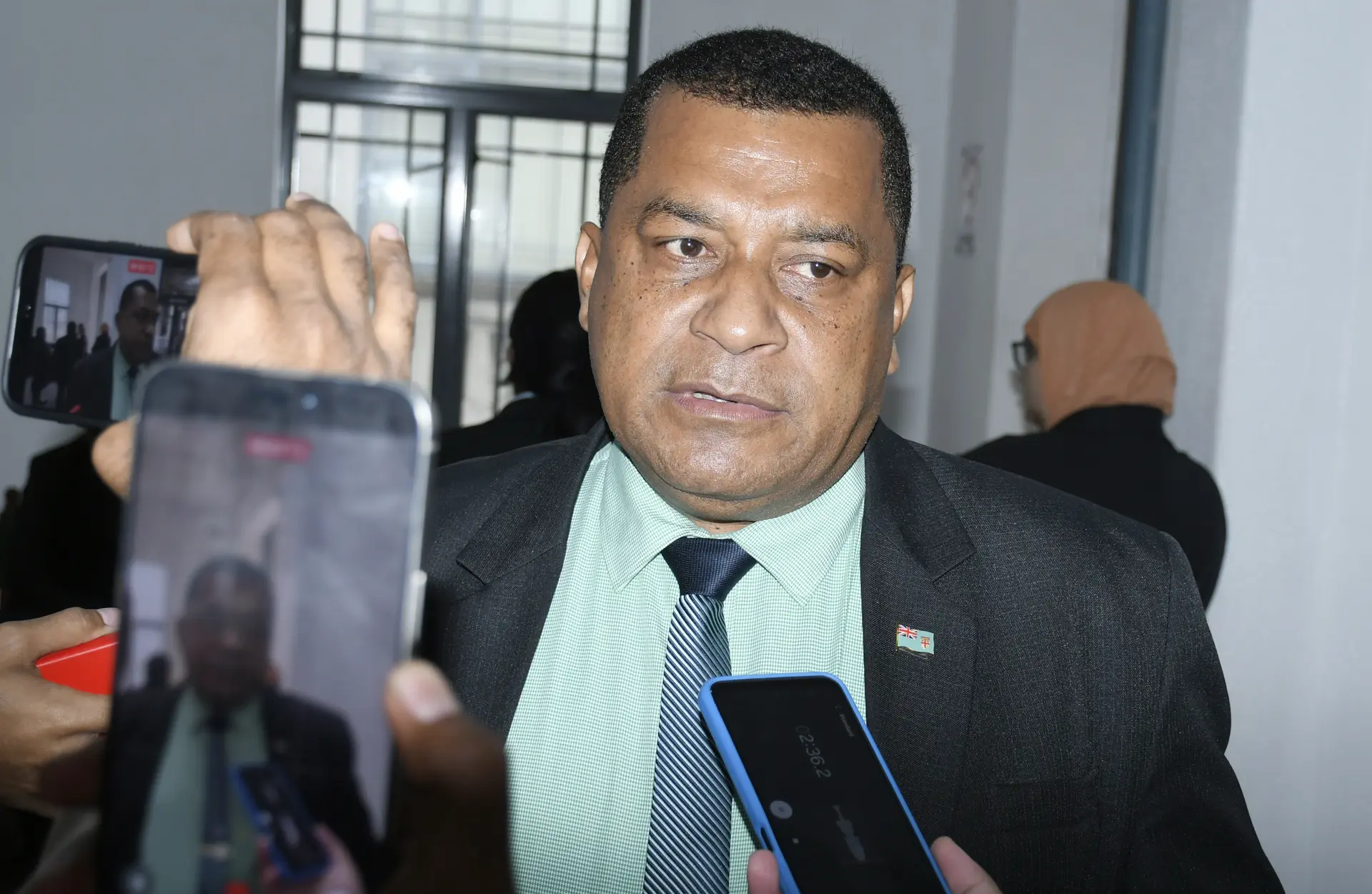
Former deputy secretary of Public Health, Dr Josefa Koroivueta and former permanent secretary for Health, Dr Salanieta Saketa.
Photos: Kaneta Naimatau
Key decisions and internal processes behind a 2011 multimillion-dollar health tender were examined in the High Court in Suva yesterday, with testimony from two former senior health officials.
Witnesses were the former permanent secretary for Health, Dr Salanieta Saketa and former deputy secretary of Public Health Dr Josefa Koroivueta.
Dr Saketa said that the push to procure rural laboratory equipment came through formal channels, but with urgency raised at the political level.
Related stories
When questioned by Assistant Director of Public Prosecutions (DPP) Laisani Tabuakuro, Dr Saketa confirmed that the request for the purchase of rural laboratory equipment came from the Fiji Pharmaceutical and Biomedical Services (FPBS) in 2011.
However, she added that the former Health Minister Dr Neil Sharma personally approached her, stressing that the request needed urgent attention.
When asked if she had prior knowledge of the committee’s evaluation before receiving formal documents, she responded that she did not.
She confirmed receiving technical evaluation reports and minutes from the committee and said she had no reason to question their recommendations.
When Ms Tabuakuro pressed on whether any concerns were raised, either by the minister or others about how the tender process was conducted, Dr Saketa said none were brought to her attention.
She also told the court that after reviewing the documents, she endorsed the recommendation and forwarded it to the Fiji Procurement Office, without further discussion with the minister.
Meanwhile, Dr Koroivueta highlighted concerns raised at the time about possible bias in procurement while noting it down that concerns about a monopoly in laboratory equipment supply, which was costing the ministry heavily.
Dr Koroivueta said he drafted a letter, on the advice of Dr Sharma, supporting the purchase of new equipment.
He told the court the minister strongly supported upgrading rural laboratories, adding that many facilities were operating with outdated and poor-condition equipment.
The trial continues today.