High Court rejects Kamikamica stay application
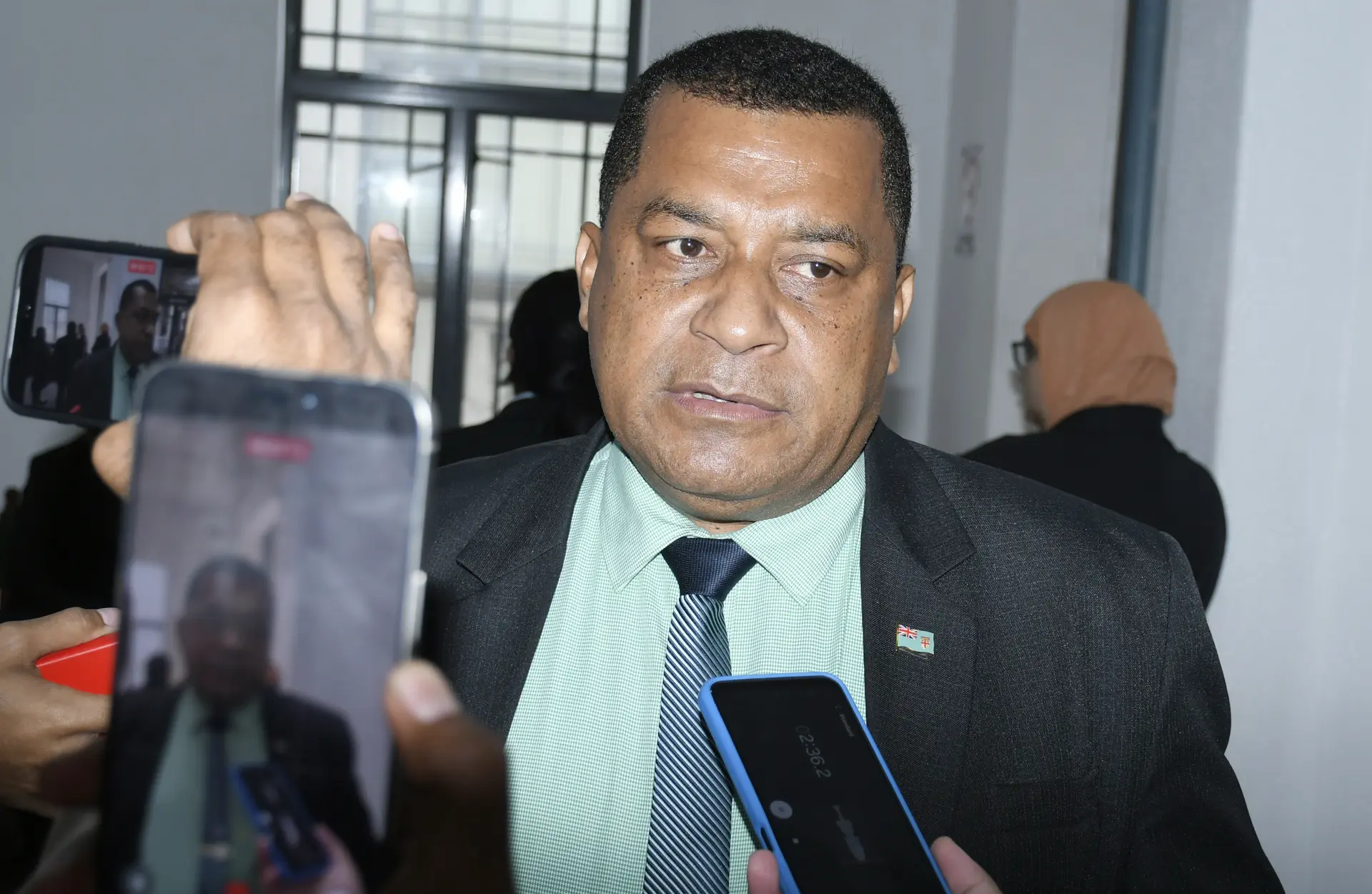
Kamikamica appeared in the High Court in Suva, where Justice Siainiu Fa'alogo Bull ruled that his application for a permanent stay of proceedings had “no merit” and must be refused.
Tuesday 05 May 2026 | 18:30

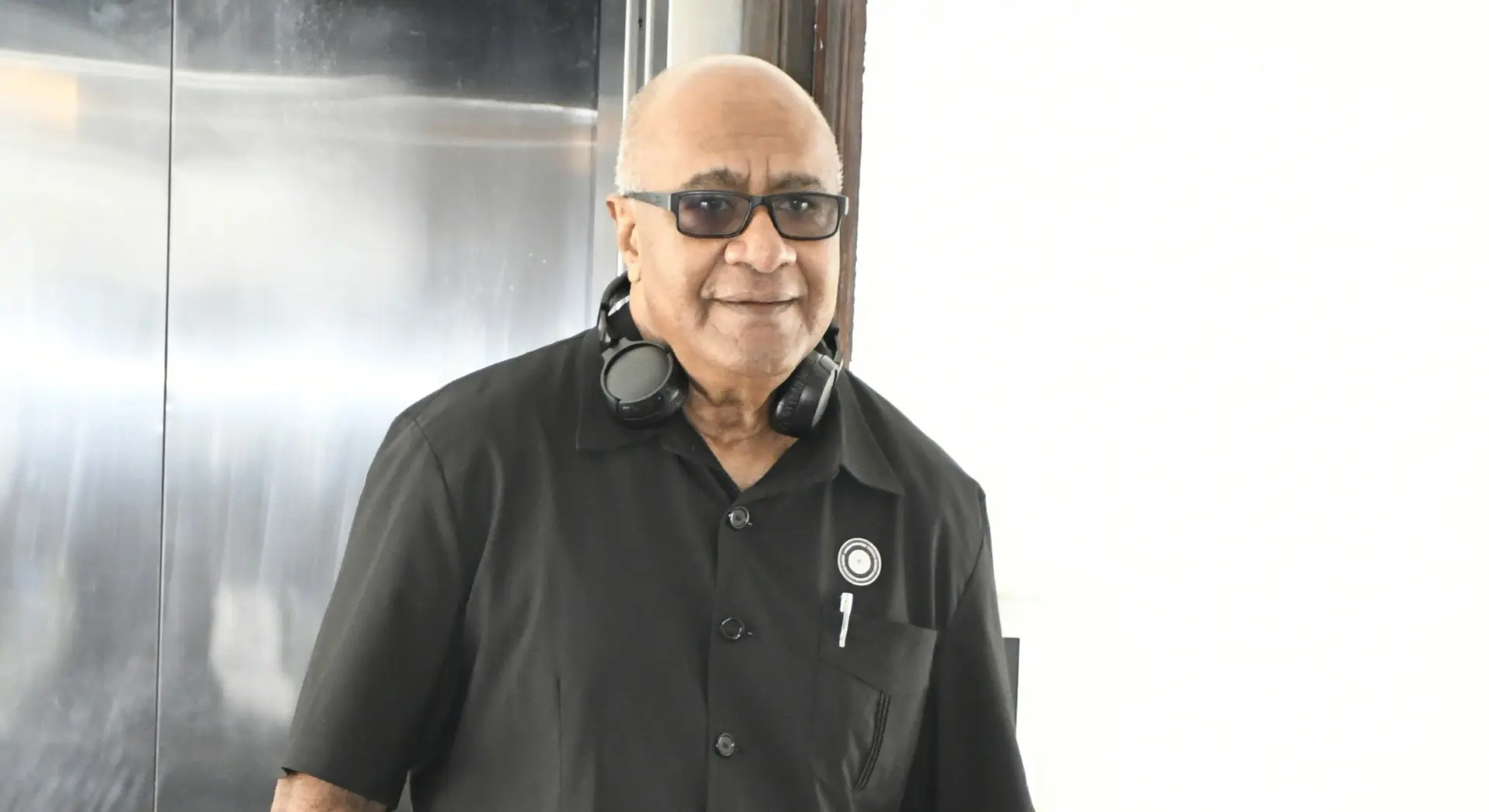
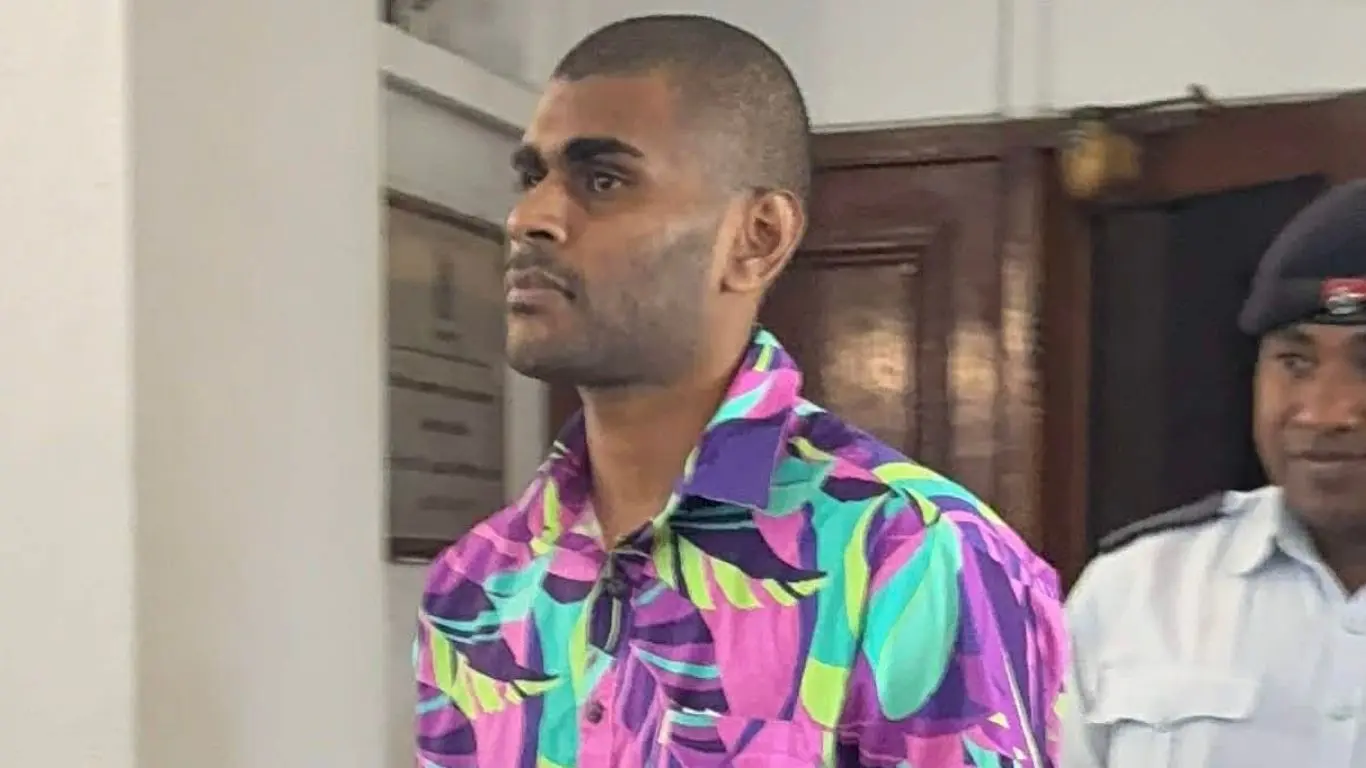
Former Deputy Prime Minister Manoa Kamikamica outside the High Court in Suva.
Ronald Kumar
Former Deputy Prime Minister Manoa Kamikamica will face his criminal case in the Magistrates Court after the High Court rejected his attempt to have the charges dismissed.
Kamikamica appeared in the High Court in Suva, where Justice Siainiu Fa'alogo Bull ruled that his application for a permanent stay of proceedings had “no merit” and must be refused.
The case, brought by the Fiji Independent Commission Against Corruption (FICAC), will now proceed in the Magistrates Court later this month.
Related stories
Kamikamica is charged with perjury and an alternative count of giving false information to a public servant.
The charges stem from statements he made under oath during a Commission of Inquiry (COI) into the appointment of former FICAC Commissioner Barbara Malimali.
Prosecutors allege he falsely told the inquiry that he had no involvement in her appointment.
However, the COI report raised concerns that he may have been involved in influencing the appointment process and attempting to interfere in another FICAC case.
Kamikamica has denied all allegations.
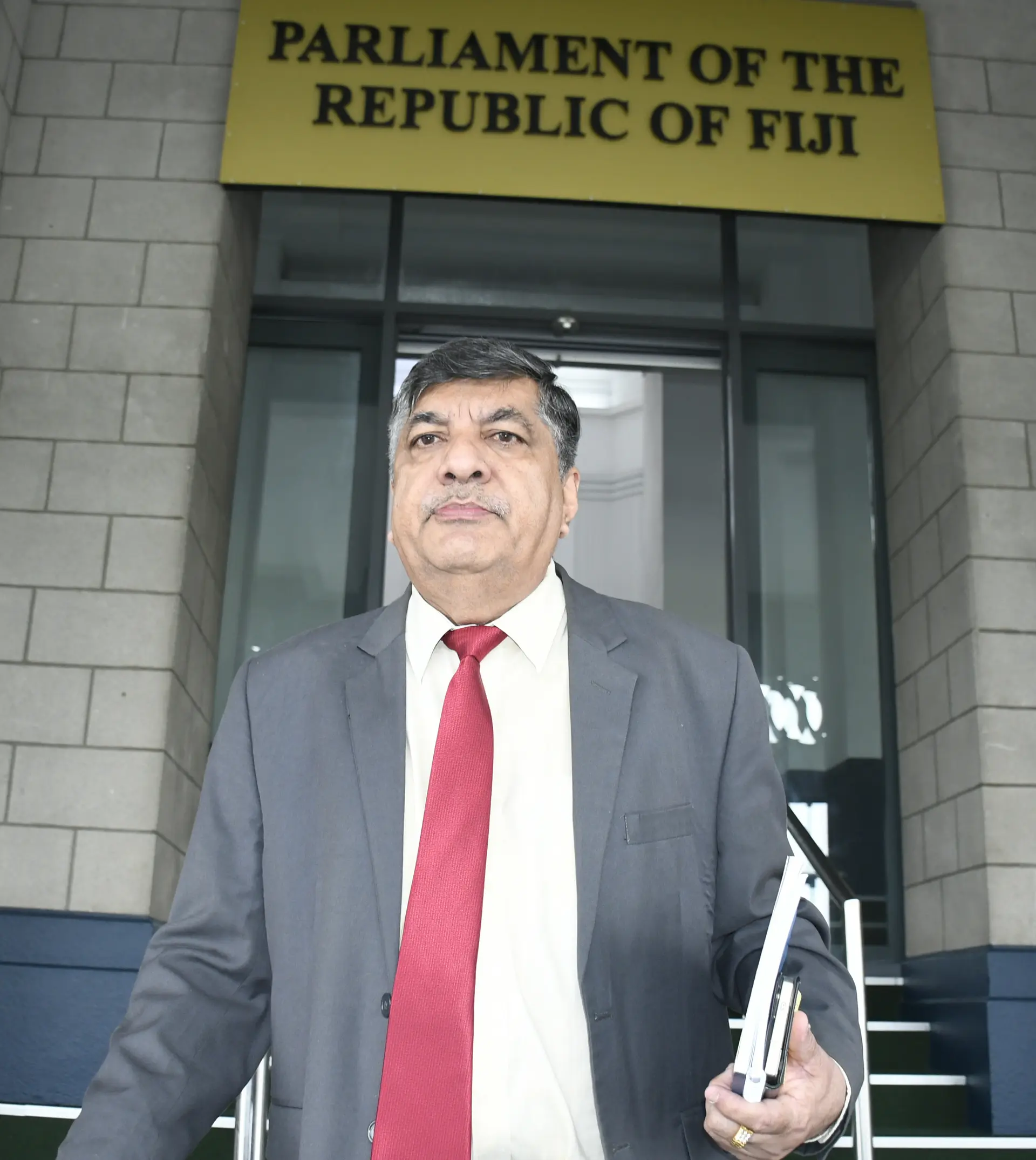
The defence asked the High Court to permanently halt the case, arguing that the charges were invalid because they were approved by Acting FICAC Commissioner Lavinia Rokoika, whose appointment they claim was unlawful.
They also raised concerns about possible bias or conflict of interest and argued there was insufficient evidence to support the charges. The defence further submitted that the prosecution was damaging his reputation and political career.
Justice Bull dismissed all three arguments.
On the issue of Rokoika’s appointment, the court said even if there were concerns, her actions remain valid under the “de facto officer” doctrine — meaning a person acting in a public role is assumed to have authority unless a court rules otherwise.
The judge also said any challenge to her appointment should be pursued through a separate judicial review, not a criminal stay application.
On claims of bias, the court acknowledged concerns could exist but said these could be addressed by appointing a different prosecutor rather than halting the case.
On the argument of insufficient evidence, Justice Bull said this must be tested during trial, not decided at this stage.
With the High Court declining to intervene, the case will now proceed in the Magistrates Court.