University rejects death penalty in drug law reform submission
The submission advised “grave caution” on customary by-laws involving community exclusion, noting these would breach constitutional rights to due process and freedom of movement.
Saturday 28 February 2026 | 08:00


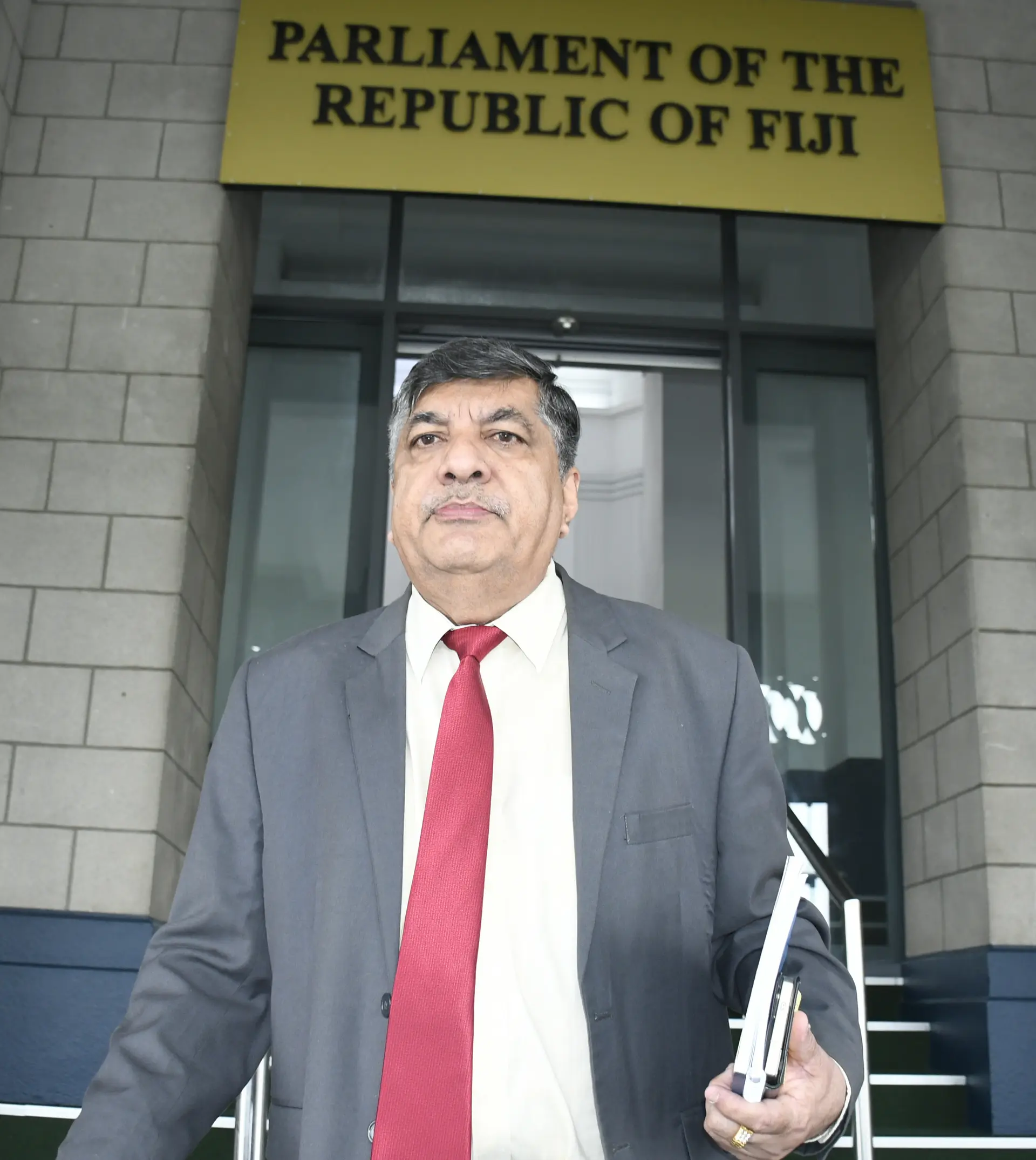
Vice-Chancellor of the University of Fiji Professor Shaista Shameem.
Supplied
The University of Fiji has rejected calls for the death penalty and the classification of drug trafficking as terrorism, warning that proposed reforms must remain constitutionally grounded and proportionate.
In detailed submissions to Government on the proposed Counter-Narcotics Bill, the University cautioned against extreme punitive measures that could undermine constitutional protections and due process.
Responding to issues raised during public consultations, the University opposed introducing the death penalty, stating it violates Fiji’s constitutional protections against cruel, degrading and inhumane punishment and lacks proven deterrent effect.
Related stories
It also rejected proposals to classify drug trafficking as terrorism, arguing this would erode the purpose and threshold of counter-terrorism law.
The submission advised “grave caution” on customary by-laws involving community exclusion, noting these would breach constitutional rights to due process and freedom of movement.
It further opposed mandatory bail restrictions, affirming that bail decisions must remain risk-based and judicially determined on a case-by-case basis, consistent with the separation of powers doctrine.
A central plank of the University’s proposal is the urgent expansion of rehabilitation infrastructure. It recommends legally recognised Drug Dependency Assessments, Community Treatment Orders and Residential Treatment Orders, alongside licensed rehabilitation facilities approved by the Ministry of Health.
Vice-Chancellor of the University of Fiji Professor Shaista Shameem warned: “without rehabilitation infrastructure, Fiji cannot meaningfully reduce demand or support families affected by addiction.”
The submission also revisited a policy question first raised in 2021 — whether Fiji should consider a strictly regulated medicinal cannabis framework, including doctor-prescribed access and the potential for pharmaceutical-grade export. Professor Shameem clarified that this was not a proposal for recreational use but an evidence-based policy discussion.
The University said Government must consider whether strengthened laws within the existing judicial system are sufficient, or whether specialised mechanisms are needed. Rather than a Drug Court, it supports establishing a Specialized Drug Infringements Tribunal for minor offences, while leaving serious trafficking cases to higher courts.
Professor Shameem said reform must strike the right balance.
“Our submission provides a balanced, evidence-based path forward for Fiji, one that is tough on traffickers, fair to vulnerable users, aligned with international standards, and underpinned by the Constitution.”
The University said it hopes its recommendations will help shape legislation that effectively combats organised drug activity while strengthening rehabilitation, public health and justice safeguards.