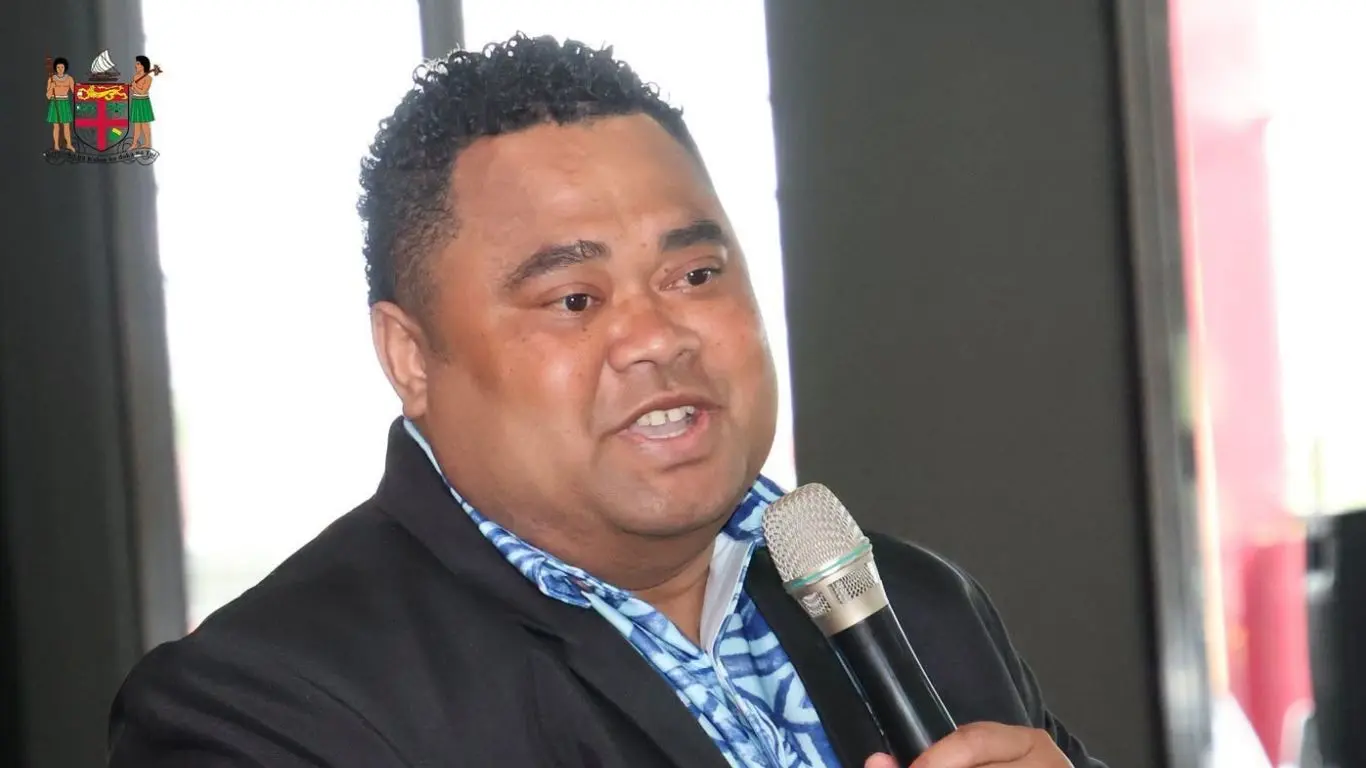
Immanuel defends 7% deficit as necessary to protect families
Mr Immanuel said the budget was prepared against a backdrop of rising global fuel prices caused by the conflict in the Middle East, which had increased transport, electricity and import costs.
Thursday 16 July 2026 | 08:30

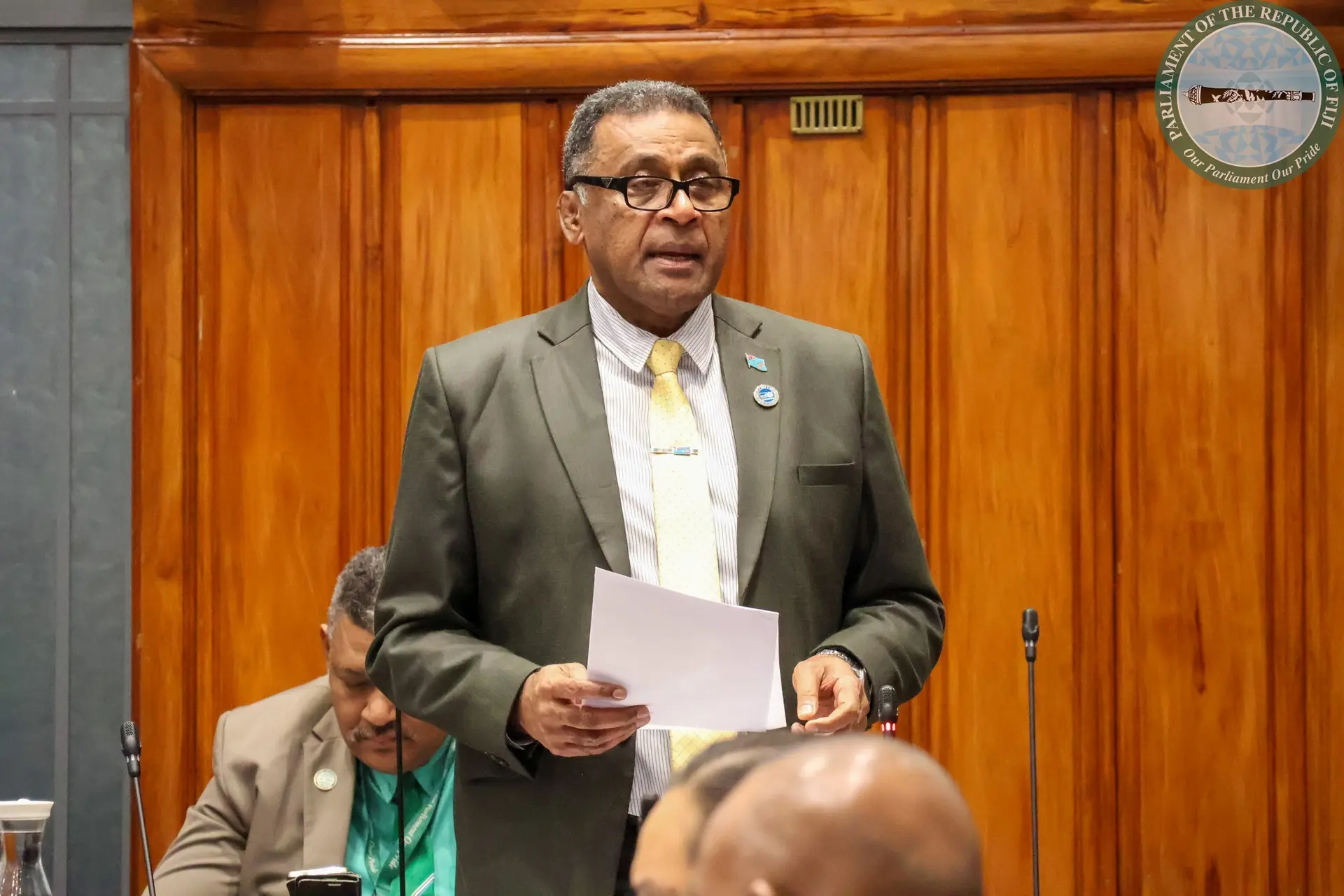
Minister for Finance Esrom Immanuel in Parliament on May 28, 2026.
Photo: Parliament of Fiji
Finance Minister Esrom Immanuel has defended the Government's projected seven per cent budget deficit, saying reducing it further would require cutting essential services, reducing social assistance or increasing taxes.
Speaking during the 2026-2027 National Budget Debate in Parliament yesterday, Mr Immanuel said the Government had chosen to protect households while navigating difficult global economic conditions.
He noted that the FijiFirst Government's 2023 National Budget projected an even higher deficit of 7.4 per cent of gross domestic product (GDP).
Related stories
"The 2023 National Budget projected expenditure of about $3.82 billion against revenue of about $2.9 billion, resulting in a deficit of $872 million, or about 7.4 per cent of GDP," Mr Immanuel said.
"So, it was higher than the deficit we are targeting."
Mr Immanuel said the budget was prepared against a backdrop of rising global fuel prices caused by the conflict in the Middle East, which had increased transport, electricity and import costs.
He said Government had also revised its revenue projections downward by about $200 million because of slower economic growth.
Despite the lower revenue, Mr Immanuel said the Government still had to fund critical national priorities.
"We have to fund the general election, provide funding for the constitutional referendum, prepare for the national census and continue major infrastructure projects," he said.
"We have to support vulnerable households and ensure essential public services continued without interruption. These were not optional expenditures but national priorities."
Mr Immanuel challenged the Opposition to explain how it would reduce the deficit without cutting civil service salaries, welfare payments, farmer assistance, back-to-school support, scholarships, healthcare or infrastructure spending.
He also questioned whether it would instead increase VAT, income tax or corporate tax, or remove the zero-rating on 22 basic food items.
"These are real policy choices confronting every finance minister."
Mr Immanuel said the Government had already reduced its own expenditure by cutting operational costs, official travel, workshops and recruitment, while reviewing funding for vacant positions and grants.
He said ministers and Members of Parliament continued to contribute through salary reductions introduced previously.
"Before asking anyone else to tighten their belts, Government must first tighten its own belt," he said.