Fiji Medical Association says laws are hindering HIV response
Acting president says stigma and legislation are limiting prevention and treatment efforts.
Tuesday 04 August 2026 | 11:00

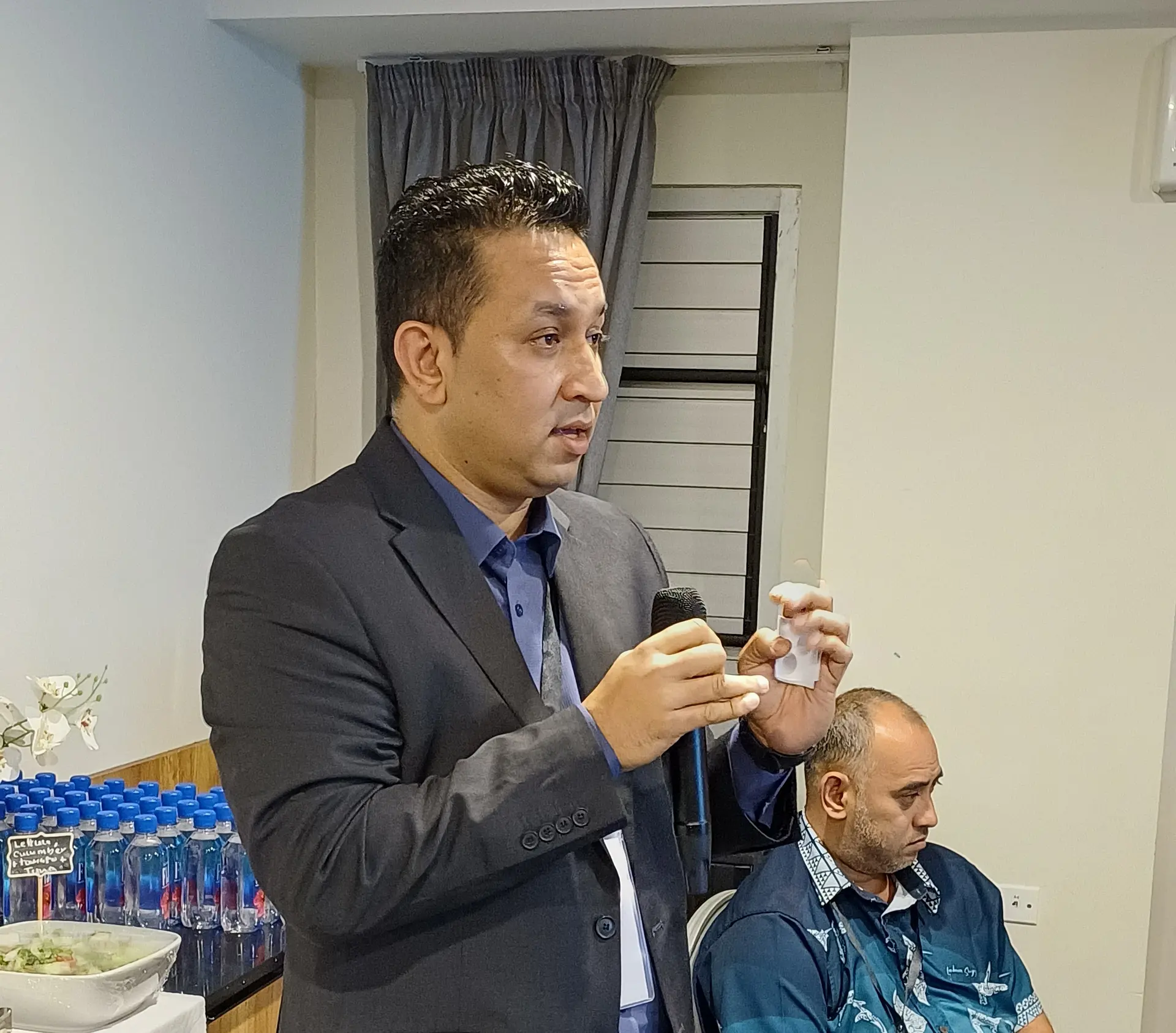
Fiji Medical Association acting president Ronal Kumar.
Photo: Shratika Naidu
Legislative barriers and persistent stigma are undermining Fiji's response to the country's growing HIV crisis, according to the Fiji Medical Association (FMA).
The association says existing laws are limiting efforts to curb a sharp rise in infections among young people.
FMA acting president Dr Ronal Kumar said provisions in current legislation, coupled with the sensitive nature of HIV, were restricting the country's ability to respond effectively.
Related stories
His comments come as health data shows a 45 per cent increase in HIV infections among children and teenagers aged 10 to 19.
"There's a lot of things in the legislation which sort of limits the number of things you can do, especially around the sensitivities surrounding HIV itself," Dr Kumar said.
"The legal and social environment continue to fuel stigma, making it harder for people living with HIV to seek treatment and remain on medication."
Dr Kumar also raised concerns about the continued risk of mother-to-child transmission.
"It is more of an indication that the programme is not working well in this country," he said.
"My worry is we are not able to stay on top of controlling it, even though we've got a task force.
"It probably needs a lot more funding and a lot more manpower."
Health authorities have reported a significant increase in new HIV infections, particularly among younger age groups.
Dr Kumar said policymakers should review whether existing legislation was supporting or hindering the national HIV response while increasing investment in prevention, testing, treatment and public education.